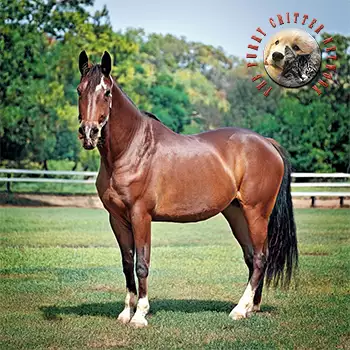

Warmbloods are among the larger sport horse types, with many standing well over sixteen hands and weighing between 1,200 and 1,500 pounds. This size demands generous space in every aspect of their housing — from stall dimensions to turnout acreage. A cramped environment not only affects physical health through restricted movement but also contributes to behavioral issues like weaving, cribbing, and stall walking that are difficult to reverse once established.
The minimum recommended stall size for a Warmblood is 12 feet by 12 feet, but a 12-by-14 or 14-by-14 stall is strongly preferred for horses at the upper end of the height range. Larger stalls allow the horse to lie down comfortably, turn around without contacting walls, and adopt natural resting postures. Ceiling height should be a minimum of ten feet to prevent head injuries, particularly for tall horses that raise their heads suddenly when startled.
Turnout space is equally critical. A single Warmblood should have access to at least one to two acres of well-maintained pasture for daily turnout, with larger acreage needed if pasture is the primary forage source. Adequate turnout allows for free movement that supports joint health, digestive function, and mental well-being — all of which directly affect a sport horse's performance longevity and willingness to work.
Aisle widths in barns housing Warmbloods should be at least twelve feet to allow safe passage, grooming, and tacking without crowding. Doorways should be a minimum of four feet wide and eight feet tall, with rounded or padded edges to prevent hip and poll injuries during entry and exit.