
Peak Health Maintenance

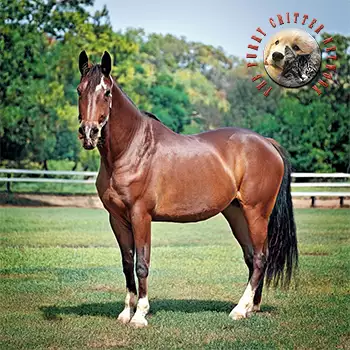
The adult Warmblood enters its prime years roughly between the ages of five and fifteen, a period characterized by physical maturity, peak athletic capability, and relative metabolic stability. Maintaining optimal health during this window requires a proactive approach that emphasizes prevention over reaction. By the time a Warmblood reaches full maturity, its skeletal development is complete, its muscular system is capable of performing at its highest level, and its immune system is well-established. The owner's role shifts from managing growth to preserving soundness and maximizing the horse's potential.

Annual or semi-annual veterinary examinations serve as the cornerstone of adult health maintenance. These wellness checks should include a thorough physical examination, dental evaluation, body condition assessment, and discussion of any changes in behavior, performance, or appetite. Bloodwork panels can reveal early signs of metabolic disorders, organ dysfunction, or nutritional imbalances before clinical symptoms appear. For performance Warmbloods, pre-season soundness evaluations help identify subtle issues that could worsen under the demands of competition.

Vaccination protocols should be maintained according to the schedule established with your veterinarian, tailored to the horse's geographic region, travel schedule, and exposure risk. Core vaccines protect against diseases that pose serious or fatal threats, while risk-based vaccines address conditions specific to the horse's environment and lifestyle. Parasite management during the adult years should follow an evidence-based approach using fecal egg counts to guide deworming rather than rotational calendar-based programs, which contribute to resistance.

The adult Warmblood's daily management routine, including turnout, stall time, feeding schedule, and exercise program, should support both physical health and mental wellbeing. Horses that spend excessive time confined in stalls without adequate turnout or social interaction are more prone to gastric ulcers, behavioral stereotypies, and musculoskeletal stiffness. A balanced daily routine that includes ample forage access, free movement, social contact, and purposeful work creates the conditions for a healthy, happy performance partner.

Nutrition at Maturity

Feeding a mature Warmblood correctly requires balancing caloric intake with energy expenditure while ensuring all micronutrient needs are met. The foundation of the adult diet remains high-quality forage, which should constitute the majority of the horse's daily intake. A general guideline is that horses should consume roughly one and a half to two percent of their body weight in forage daily, though individual needs vary based on metabolism, workload, and body condition. For a twelve-hundred-pound Warmblood, this translates to approximately eighteen to twenty-four pounds of hay or equivalent pasture intake per day.

Concentrate feeds for the adult Warmblood should be selected based on the horse's actual workload, not on aspirational training goals. A lightly worked Warmblood used for recreational riding may thrive on forage alone with a ration balancer to fill micronutrient gaps, while a horse competing at upper levels of dressage or show jumping may require a performance-level feed to meet its elevated energy demands. Overfeeding concentrates relative to workload is one of the most common nutritional mistakes and leads to obesity, metabolic syndrome, and increased risk of laminitis.

Warmblood horses as a group tend toward a more efficient metabolism than Thoroughbreds or other hot-blooded breeds, meaning they often maintain weight easily and may even become overweight on moderate rations. Regular body condition scoring using a standardized scale helps owners objectively assess whether their horse is at an appropriate weight. Ribs should be easily felt but not visible, and the neck, withers, and tailhead should show smooth contours without excessive fat deposits.

Electrolyte supplementation becomes important for Warmbloods in regular work, particularly during warm weather or after strenuous exercise. Sweating depletes sodium, chloride, potassium, and other essential minerals that must be replaced to maintain proper muscle function and hydration. A plain salt block should be available at all times, and additional electrolyte supplementation may be warranted during periods of heavy work. Fresh, clean water must be available continuously, and water intake should be monitored as a general health indicator.

Exercise & Fitness

The adult Warmblood is built for athletic performance, and a well-structured fitness program is essential for keeping the horse sound, supple, and mentally engaged throughout its prime years. The specific demands of the horse's discipline, whether dressage, show jumping, eventing, or combined driving, dictate the focus of its training program, but certain principles apply universally. A proper warm-up that progressively engages the horse's muscles and joints reduces the risk of soft tissue injuries and prepares the body for more demanding work.

Variety in the training program is one of the most effective tools for maintaining both physical soundness and mental freshness. A Warmblood that performs the same exercises in the same arena day after day is at increased risk for repetitive strain injuries and mental burnout. Cross-training that incorporates hacking, hill work, cavaletti exercises, and turnout provides different physical stimuli that develop overall athleticism while giving the horse mental breaks from the intensity of focused schooling sessions.

Fitness should be built systematically, with periods of increased demand followed by adequate recovery. Interval training principles apply to equine fitness just as they do to human athletics. A Warmblood preparing for competition season benefits from a structured conditioning program that progressively increases cardiovascular fitness, muscular strength, and flexibility over a period of weeks and months. Rushing the conditioning process invites injury and undermines performance.

Rest and recovery are as important as the work itself. The adult Warmblood benefits from scheduled easy days and turnout-only days that allow muscles to repair and joints to decompress. Many experienced trainers follow a pattern of two to three days of focused work alternated with lighter days or rest. Monitoring the horse's attitude, appetite, and willingness to work provides valuable feedback about whether the training load is appropriate. A horse that becomes sour, resistant, or lethargic under a previously manageable workload may be telling its rider that the demands have exceeded its current capacity for recovery.

Preventive Health Care

Preventive care for the adult Warmblood extends well beyond vaccinations and deworming, encompassing a comprehensive approach to maintaining the horse's structural integrity and systemic health over many years of athletic use. Regular farrier care on a four-to-eight-week cycle is essential for maintaining proper hoof balance and preventing the cascading effects that poor hoof geometry can have on joints, tendons, and overall locomotion. The specific needs of each horse, whether barefoot, shod in front only, or fully shod, should be determined collaboratively between the owner, farrier, and veterinarian.

Dental care is a frequently overlooked component of adult horse health that has direct implications for nutrition, comfort, and performance. Horses' teeth continue to erupt throughout their lives, and uneven wear patterns create sharp points, hooks, and ramps that can cause pain, difficulty chewing, and resistance to the bit. Annual or semi-annual dental examinations and floating, the process of filing down sharp edges, ensure that the horse can process its feed efficiently and work comfortably in a bridle.

Gastric health deserves particular attention in the adult Warmblood, as studies have shown that a significant percentage of performance horses develop gastric ulcers at some point during their careers. The combination of meal feeding, limited forage access, stall confinement, travel stress, and the physical demands of training creates conditions favorable for ulcer development. Management strategies that prioritize continuous forage access, minimize prolonged fasting, and reduce unnecessary stressors offer the best protection against gastric issues.

Musculoskeletal health monitoring should be ongoing throughout the adult years. Even subtle changes in gait symmetry, willingness to engage, or responsiveness to aids can signal developing issues in joints, soft tissues, or the back. Routine lameness evaluations, whether performed by a veterinarian or observed by an experienced eye, help catch problems before they become debilitating. Many sport horse veterinarians recommend baseline imaging of key structures during the early adult years to provide reference points for comparison should issues arise later.

Behavioral Maturity

By the time a Warmblood reaches full adulthood, its core temperament is largely established, though personality continues to be shaped by experience, training, and management throughout life. The mature Warmblood typically settles into a more predictable, reliable disposition compared to the variability of the adolescent years. The breed's characteristic intelligence, sensitivity, and willingness to work become fully expressed in the adult horse, creating a partner that is capable of remarkable responsiveness and cooperation when managed with skill and fairness.

Behavioral issues in adult Warmbloods are almost always rooted in pain, confusion, or management shortcomings rather than in malicious intent. A horse that suddenly becomes resistant, anxious, or aggressive should first be evaluated for physical discomfort, including dental pain, saddle fit issues, musculoskeletal soreness, gastric ulcers, and vision or hearing changes. Once pain has been ruled out or addressed, behavioral concerns can be evaluated in the context of the horse's training, handling, and daily routine.

The adult Warmblood thrives on routine and clarity. These horses are perceptive enough to detect inconsistencies in handling and sophisticated enough to exploit gaps in their handler's leadership. Conversely, they respond beautifully to fair, consistent, and confident management. The relationship between an adult Warmblood and its regular rider or handler deepens substantially over time, and many experienced horsemen describe their mature Warmbloods as genuine partners who anticipate their rider's intentions and actively participate in the work.

Mental stimulation remains important throughout the adult years. Warmbloods are intelligent horses that benefit from variety, challenge, and the opportunity to problem-solve. A training program that introduces new exercises, explores different environments, and progressively asks more sophisticated questions keeps the adult Warmblood mentally sharp and emotionally engaged. Boredom and monotony are the enemies of a willing attitude, and owners who invest in keeping their horse's work interesting are rewarded with a more enthusiastic and cooperative partner.

Hoof Care & Grooming

The demands placed on an adult Warmblood's hooves during its performance career make diligent hoof care one of the most critical aspects of daily management. The old adage that no hoof means no horse is particularly relevant for Warmbloods, whose size and athletic endeavors place substantial concussive forces on their feet with every stride. Daily hoof picking removes packed debris, allows inspection for thrush or other infections, and provides an opportunity to check shoe integrity for shod horses. Any changes in hoof temperature, moisture, smell, or sensitivity should be noted and discussed with the farrier or veterinarian.

The grooming routine for an adult Warmblood serves purposes beyond aesthetics. Thorough grooming stimulates circulation, distributes natural skin oils, and provides a systematic opportunity to check the horse's entire body for cuts, swelling, heat, lumps, skin conditions, or signs of external parasites. The process also reinforces the bond between horse and handler and gives the handler a baseline familiarity with the horse's normal body that makes abnormalities easier to detect. Many experienced horsemen consider the daily grooming session their most valuable diagnostic tool.

Skin and coat health in the adult Warmblood reflects overall systemic health. A dull, dry coat or persistent skin issues may indicate nutritional deficiencies, internal parasite burdens, metabolic disorders, or hormonal imbalances. The Warmblood's coat changes seasonally, growing thick in winter and shedding in spring, and many performance horses are blanketed or body-clipped to manage coat length during the competition season. Clipping should be done with care to avoid irritating the skin, and blanketing protocols should match the horse's actual environmental conditions rather than the owner's comfort level.

Mane and tail care, sheath or udder cleaning, and attention to the skin around the pasterns and heels round out the grooming program. Warmbloods with feathering or heavier leg hair may be more susceptible to scratches, a bacterial or fungal dermatitis that thrives in moist conditions. Keeping these areas clean and dry, particularly during wet seasons, helps prevent outbreaks. Regular attention to these details may seem minor individually, but collectively they form the daily maintenance program that keeps the adult Warmblood comfortable, healthy, and performing at its best.

Always consult a qualified professional before making any health-related decisions. This content is provided for informational reference only and should not replace professional guidance specific to your animal.