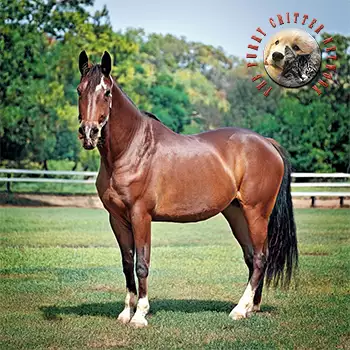

When Does Senior Begin?

Determining when a Warmblood transitions from its prime years into the senior phase is not as straightforward as marking a specific birthday on the calendar. While many equine professionals use the age of fifteen to twenty as a general guideline, the reality is that individual horses age at different rates depending on their genetics, lifetime management, workload history, and overall health. Some Warmbloods competing at the highest levels remain sound and competitive well into their late teens, while others begin showing signs of aging much earlier, particularly if they have a history of heavy athletic use or chronic health conditions.

The onset of senior status is better defined by physiological changes than by chronological age alone. A Warmblood that begins to lose topline muscle despite consistent work, shows stiffness when first brought out of the stall, takes longer to warm up, or begins to struggle with exercises that were previously well within its capability is showing signs that its body is transitioning into a new phase. Changes in coat quality, including delayed shedding, a coarser texture, or the appearance of gray hairs around the eyes and muzzle, often accompany these functional shifts.

Recognizing this transition early allows owners to make proactive management adjustments that preserve comfort and functionality for as long as possible. A Warmblood whose early senior signs are met with appropriate changes in workload, nutrition, and veterinary care typically enjoys a longer period of comfortable activity than one whose declining needs are ignored until problems become acute. The senior years should not be viewed as a decline to be endured but as a natural phase of life that, with thoughtful management, can be richly rewarding for both horse and owner.

A comprehensive veterinary evaluation at the suspected onset of the senior phase establishes a current health baseline and identifies any emerging conditions that warrant monitoring or treatment. Bloodwork, including metabolic panels and endocrine screening, provides critical data points that help guide management decisions. Many conditions common to aging horses, including equine metabolic syndrome and pituitary pars intermedia dysfunction, are far more manageable when detected early.

Mobility & Joint Health

Joint health is arguably the single most impactful factor in a senior Warmblood's quality of life. Years of athletic performance, even when managed carefully, inevitably leave some degree of wear on the joints, tendons, and ligaments. Osteoarthritis is extremely common in aging sport horses and manifests as stiffness, reduced range of motion, reluctance to move forward freely, and difficulty with transitions or movements that require deep flexion. The large frame and substantial body weight of the Warmblood amplify the mechanical forces acting on compromised joints, making proactive joint management essential.

Maintaining appropriate body weight is one of the most effective strategies for supporting joint health in the senior Warmblood. Every pound of excess weight adds stress to already compromised joints, accelerating deterioration and increasing discomfort. Conversely, an underweight senior horse lacks the muscular support that helps stabilize and protect joint structures. Finding and maintaining the optimal body condition requires regular assessment and willingness to adjust the feeding program as the horse's metabolism and activity level change with age.

Continued movement is generally beneficial for senior horses with joint issues, though the type and intensity of exercise must be adapted to the individual's level of comfort. Many veterinarians and equine rehabilitation specialists recommend low-impact, consistent exercise such as walking on good footing, gentle hacking, and controlled turnout over standing in a stall. Movement promotes synovial fluid production, maintains joint flexibility, and preserves the muscular support that protects compromised structures. The key is finding the balance between enough movement to maintain function and too much that exacerbates inflammation.

Veterinary interventions for joint health in the senior Warmblood range from oral joint supplements to injectable therapies administered directly into affected joints. The specific approach depends on the severity and location of the joint changes, the horse's response to previous treatments, and the owner's goals for the horse's continued use. These decisions should be made in close consultation with a veterinarian who is familiar with the horse's history and can tailor a management plan that prioritizes the horse's comfort above all else.

Cognitive Changes

Cognitive changes in the senior Warmblood are real and increasingly recognized by equine science, though they tend to receive less attention than physical aging. As horses age, changes in brain function can manifest as altered behavior, decreased responsiveness to familiar cues, confusion in well-known environments, and shifts in social dynamics within a herd. While dramatic cognitive decline is relatively uncommon in horses compared to some companion animal species, subtle changes in mental sharpness and emotional regulation are frequently observed in horses in their late teens and twenties.

Pituitary pars intermedia dysfunction, commonly known as equine Cushing's disease, is one of the most prevalent conditions affecting older horses and has both physical and behavioral components. Horses with this endocrine disorder may exhibit increased anxiety, lethargy, changes in appetite, excessive drinking and urination, and a characteristic long, curly coat that fails to shed normally. The behavioral changes associated with this condition are sometimes mistaken for simple aging or dismissed as personality shifts when they actually represent a treatable medical condition.

Senior Warmbloods benefit from a predictable, low-stress daily routine that minimizes confusion and supports their sense of security. Sudden changes in environment, management, or social grouping can be more distressing to an older horse than to a younger one. When changes are necessary, introducing them gradually and providing additional support during the transition helps the senior horse adapt. Maintaining familiar herd companions, consistent feeding times, and a stable living environment all contribute to cognitive and emotional wellbeing.

Mental stimulation remains valuable for the aging Warmblood, though the form it takes should be adapted to the horse's physical limitations. Light, varied work that asks the horse to think without causing physical strain keeps the mind engaged. Hand-walking through interesting environments, gentle groundwork exercises, and interactions with caring handlers provide cognitive enrichment. The relationship between an aging Warmblood and its longtime owner or caretaker often deepens during the senior years, and the quiet companionship of familiar routines carries its own form of mental nourishment.

Nutrition for Aging

The nutritional needs of a senior Warmblood diverge significantly from those of its prime years, and adjustments to the feeding program are often among the first and most impactful management changes an owner can make. As horses age, their digestive efficiency decreases, and they may struggle to extract adequate nutrition from feeds that sustained them perfectly well in their younger years. The most visible sign of this shift is often difficulty maintaining body weight and topline condition despite what appears to be adequate feed intake.

Dental deterioration is a primary driver of nutritional challenges in senior horses. As teeth wear down, develop sharp edges, or are lost entirely, the horse's ability to effectively chew and process forage declines. A senior Warmblood with compromised dentition may drop partially chewed wads of hay, take excessively long to finish meals, or show reduced interest in eating altogether. Soaked hay cubes, chopped forage products, and complete senior feeds that can be moistened into a mash provide essential fiber and nutrition in forms that are easier for aging teeth to manage.

Senior-formulated concentrates are designed to address the specific needs of aging horses, including higher fiber content, increased fat for caloric density, adjusted protein levels to support muscle maintenance, and elevated levels of key vitamins and minerals. These feeds are typically more easily digestible than standard performance or maintenance feeds, helping to compensate for the reduced digestive efficiency that accompanies aging. The transition to a senior feed should be made gradually over a period of one to two weeks to avoid digestive upset.

Regular body condition assessment becomes even more critical during the senior years, as weight loss can occur insidiously under a heavy winter coat or be masked by a hay belly that gives the appearance of adequate condition while the topline wastes away. Hands-on evaluation of the ribs, spine, and hip bones provides a more accurate picture than visual assessment alone. Senior Warmbloods should be weighed periodically using a livestock scale or weight tape to track trends over time, allowing feeding adjustments to be made before significant weight loss or gain occurs.

Increased Veterinary Care

The frequency and scope of veterinary care typically increases as a Warmblood enters its senior years, reflecting the greater vulnerability of the aging body to disease, metabolic disorders, and structural deterioration. Semi-annual wellness examinations are recommended for most senior horses, with more frequent visits warranted for those with known chronic conditions. These examinations should include a thorough physical assessment, dental evaluation, lameness check, and discussion of any behavioral or performance changes the owner has observed.

Bloodwork becomes an increasingly valuable diagnostic tool during the senior years. Annual or semi-annual metabolic panels, complete blood counts, and endocrine screening help detect emerging conditions before they produce clinical symptoms. Equine metabolic syndrome and pituitary pars intermedia dysfunction are both progressive conditions that benefit enormously from early detection and treatment. A horse diagnosed and treated in the early stages of either condition typically experiences a better quality of life and fewer complications than one diagnosed only after clinical signs become obvious.

Dental care in the senior Warmblood often requires more frequent attention than during the prime years. As teeth wear unevenly, develop waves, or are lost, the remaining dental arcade requires regular maintenance to ensure the horse can still chew effectively. Some senior horses eventually lose enough teeth that traditional floating is no longer sufficient, and dietary modifications become the primary strategy for maintaining nutrition. A veterinary dentist can provide specialized evaluation and treatment for complex dental issues that exceed the scope of routine care.

Senior Warmbloods are more susceptible to certain conditions including colic, laminitis, respiratory infections, and tumors, and owners should be familiar with the early warning signs of each. A written emergency plan that includes the veterinarian's contact information, clear directions to the facility, and a summary of the horse's medical history and current medications ensures that critical information is available even in moments of crisis. The investment in increased veterinary attention during the senior years is one of the most meaningful gifts an owner can give to a horse that has provided years of partnership and service.

Quality of Life Assessment

Evaluating quality of life in a senior Warmblood is an ongoing responsibility that requires honest observation, open communication with veterinary professionals, and the willingness to prioritize the horse's experience over the owner's attachment. Quality of life is a multidimensional concept that encompasses physical comfort, emotional wellbeing, social engagement, and the ability to perform the behaviors that are natural and important to the horse. A senior Warmblood that is comfortable, interested in its surroundings, enjoys social interaction, and moves freely enough to graze, roll, and navigate its environment is generally experiencing a good quality of life.

Several structured assessment tools exist to help owners and veterinarians evaluate quality of life more objectively. These tools typically consider factors including pain level, appetite and ability to eat, mobility, responsiveness to the environment, hygiene, and the presence of more good days than bad. Using a consistent framework for evaluation helps remove some of the subjectivity from what is inherently an emotional process and provides a record of how the horse's condition is trending over time.

The senior Warmblood's second career, whether as a light trail horse, a schoolmaster for beginner riders, a companion animal, or simply a cherished retiree, should be defined by what the horse can do comfortably rather than by what it used to do. Adjusting expectations to match the horse's current capabilities is essential for preserving quality of life. A Warmblood that once competed at advanced levels may find contentment and purpose in gentle flatwork, walking trails, or teaching a less experienced rider the basics, provided the physical demands remain within its comfort zone.

Ongoing dialogue with your veterinarian about the horse's trajectory helps prepare for the decisions that may eventually arise as the horse ages further. Understanding what palliative and supportive care options are available, what signs indicate escalating discomfort, and when the balance between good days and difficult days begins to shift enables the owner to make informed, compassionate decisions when the time comes. The goal of quality of life assessment is not to determine an endpoint but to ensure that every phase of the senior horse's life is lived with as much comfort and dignity as possible.

Always consult a qualified professional before making any health-related decisions. This content is provided for informational reference only and should not replace professional guidance specific to your animal.