
Breeding Readiness

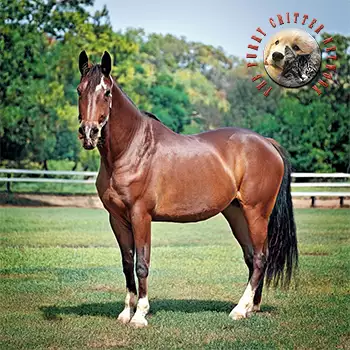
Breeding a Warmblood is a significant undertaking that demands careful planning, substantial resources, and a clear understanding of the goals driving the decision. Before any breeding takes place, both the mare and stallion should be thoroughly evaluated for their suitability as breeding candidates. In the Warmblood world, breeding decisions are guided by registry standards that emphasize conformation, movement quality, temperament, athletic ability, and health. The goal of every breeding should be to produce a foal that represents an improvement upon or at minimum a faithful reproduction of the qualities that make the breed valuable.

Physical readiness for breeding involves more than simply reaching sexual maturity. While mares may begin cycling as yearlings, most Warmblood breeders wait until a mare is at least four to five years old before breeding, allowing her skeletal system to fully mature before taking on the physical demands of pregnancy and lactation. The mare should be in good body condition, free from significant conformational faults that could be passed to offspring, and screened for hereditary conditions that are known to occur within Warmblood lines.

A pre-breeding reproductive examination by an equine reproduction specialist is essential for the mare. This evaluation typically includes a uterine culture and cytology to check for infection, an ultrasound examination of the reproductive tract to assess uterine and ovarian health, and a review of the mare's cycling history. Mares with a history of reproductive complications, advanced age, or unknown breeding history require particularly thorough evaluation before a breeding attempt is made.

Stallion selection in Warmblood breeding is a process that draws on pedigree analysis, performance records, progeny evaluations, and conformation assessments. Most Warmblood registries maintain approved stallion rosters, and only stallions that have passed rigorous inspections and performance testing are eligible to register offspring. Working with an experienced Warmblood breeder or breeding consultant can help navigate the complex landscape of bloodlines, cross-compatibility, and registry requirements to identify the best match for a given mare.

The Estrous Cycle

Understanding the mare's estrous cycle is fundamental to successful Warmblood breeding. Mares are seasonally polyestrous, meaning they cycle repeatedly during the longer daylight months of spring and summer and enter a period of reproductive quiescence, known as anestrus, during the short days of winter. The natural breeding season typically runs from April through September in the Northern Hemisphere, though artificial lighting programs can be used to advance the onset of cycling in mares bred earlier in the year.

The estrous cycle of the mare averages approximately twenty-one days in length, divided into two phases. Estrus, or the period of sexual receptivity, lasts roughly five to seven days, during which the mare will show behavioral signs of willingness to accept a stallion. These signs include frequent urination, winking of the vulva, raising the tail, and a general posture of receptivity when approached by a stallion or teaser horse. Diestrus, the period between heats, lasts approximately fourteen to fifteen days, during which the mare actively rejects the stallion's advances.

Ovulation, the release of the mature egg from the ovary, typically occurs twenty-four to forty-eight hours before the end of estrus. Since the equine egg remains viable for only six to twelve hours after ovulation and sperm can survive in the mare's reproductive tract for approximately forty-eight to seventy-two hours, timing of breeding relative to ovulation is critical for conception. Reproductive veterinarians use transrectal ultrasound to monitor follicle development and predict ovulation timing with increasing precision, allowing breeding to be timed for maximum fertility.

Hormonal interventions are commonly used in Warmblood breeding programs to manage and synchronize the mare's cycle, induce ovulation at a predictable time, and facilitate the logistics of artificial insemination with shipped or frozen semen. These tools are powerful and effective when used by experienced reproductive veterinarians, but they require careful monitoring and are not without risk. Understanding the natural cycle provides the essential context for any hormonal management strategy.

Pregnancy & Gestation

The gestation period for a Warmblood mare averages approximately three hundred and forty days, or roughly eleven months, though individual variation of two to three weeks in either direction is considered normal. Pregnancy confirmation is typically performed via transrectal ultrasound at fourteen to sixteen days post-ovulation, with a follow-up examination at approximately twenty-five to thirty days to confirm a heartbeat and check for twin pregnancies. Twin reduction, if twins are detected, is a critical early intervention, as twin pregnancies in horses carry an extremely high risk of complications including abortion, premature delivery, and loss of both foals.

During the first two-thirds of pregnancy, the developing foal is relatively small and the mare's management needs change only modestly. She can typically continue light to moderate work, provided she remains comfortable and willing, and her nutritional requirements remain close to maintenance levels. Regular veterinary check-ups, continued vaccination and parasite management, and monitoring for any signs of complication such as vaginal discharge, premature udder development, or behavioral changes form the core of early and mid-pregnancy management.

The final trimester is when the foal undergoes the majority of its physical growth, and the mare's nutritional demands increase substantially. Caloric needs rise by approximately fifteen to twenty percent above maintenance, and requirements for protein, calcium, phosphorus, and key vitamins increase proportionally. A feed specifically formulated for pregnant mares in late gestation ensures these elevated needs are met without overloading the mare with excessive carbohydrates that could contribute to metabolic problems.

As the mare approaches her due date, close observation becomes essential. Physical signs of approaching parturition include relaxation of the pelvic ligaments on either side of the tail head, elongation and filling of the udder, waxing of the teats with dried colostrum, and softening of the vulva. Some mares show all of these signs predictably, while others give very little warning before foaling. A foaling alarm system or camera monitoring provides peace of mind for owners who want to be present during delivery without spending every night in the barn.

Foaling Preparation

Preparation for foaling should begin well in advance of the expected due date, ensuring that the environment, supplies, and support team are ready when the mare decides it is time. The foaling area, whether a spacious stall or a clean, enclosed paddock, should be thoroughly cleaned and disinfected. A large box stall of at least fourteen by fourteen feet is ideal for a Warmblood mare, providing adequate room for her to lie down, roll, and deliver without the risk of becoming cast against a wall or the foal being trapped in a corner.

Deep, clean straw bedding is generally preferred for foaling over shavings or other substrates. Straw provides good cushioning, does not stick to the wet newborn, and creates a surface that is easy to keep clean during and after delivery. The stall should be well-ventilated but free from cold drafts, and lighting should be sufficient for observation without being harsh enough to disturb the mare. Many mares prefer to foal in the quiet of night, and the ability to observe via closed-circuit camera minimizes unnecessary disturbance.

A well-stocked foaling kit should be assembled and stored in an accessible location near the foaling area. Essential supplies include clean towels, antiseptic solution for the umbilical stump, a bulb syringe for clearing the foal's nasal passages if needed, a tail wrap for the mare, colostrum supplement in case the mare's own supply is inadequate, a watch or timer for tracking the stages of labor, and the veterinarian's emergency contact number posted prominently. Having these items organized and ready eliminates the chaos of searching for supplies during the actual event.

Establishing a relationship with a veterinarian who is experienced in equine reproduction and available for emergencies is perhaps the most important preparatory step of all. The vast majority of Warmblood foalings proceed normally without intervention, but when complications do arise, they can escalate with frightening speed. A dystocia, or difficult birth, is a true veterinary emergency in which minutes matter. Knowing when to call for help, having a clear plan for veterinary access, and understanding the basic stages of normal delivery empower the owner to act decisively if the foaling deviates from the expected pattern.

Postpartum Care

The hours and days following delivery are a critical period for both the Warmblood mare and her newborn foal, and attentive management during this time sets the stage for a healthy recovery and a strong start to the foal's life. The mare should pass the placenta within three hours of delivery. Retained placenta beyond this timeframe is a veterinary emergency in horses, as it can rapidly lead to severe infection, laminitis, and life-threatening systemic illness. The expelled placenta should be examined for completeness, ensuring that no pieces remain inside the uterus.

The mare's recovery from the physical demands of pregnancy and delivery requires nutritional support, rest, and monitoring. Lactation places the highest caloric and nutritional demand of any physiological state in the horse, exceeding even heavy athletic work. A lactating Warmblood mare requires a substantial increase in calories, protein, calcium, and phosphorus to support milk production while maintaining her own body condition. A high-quality lactation feed, ample forage, and continuous access to fresh water and salt are essential components of the postpartum nutritional program.

Physical recovery should be monitored through daily observation of the mare's appetite, attitude, udder health, vulvar discharge, and overall demeanor. A small amount of reddish-brown vaginal discharge, known as lochia, is normal for several days following delivery and should gradually diminish. Persistent, foul-smelling, or copious discharge suggests uterine infection and warrants immediate veterinary attention. The mare's udder should be checked for signs of mastitis, including heat, swelling, pain, or changes in milk consistency.

The postpartum period is also a time for the mare's reproductive system to undergo involution, the process of returning to its pre-pregnancy state. Many mares experience a fertile heat cycle approximately seven to twelve days after foaling, commonly known as the foal heat. While breeding on the foal heat is possible and practiced by some breeders seeking to maximize reproductive efficiency, the decision to do so should be made in consultation with a reproductive veterinarian who has evaluated the mare's uterine recovery. Allowing the mare additional time to heal before rebreeding generally improves conception rates and reduces the risk of early embryonic loss.

Responsible Breeding Ethics

The decision to breed a Warmblood carries ethical responsibilities that extend far beyond the immediate excitement of producing a foal. Warmblood breeding at its best is a carefully considered endeavor aimed at improving the breed, producing sound and athletic horses with good temperaments, and ensuring that every foal born has a plan for its future. At its worst, indiscriminate breeding produces horses that are conformationally flawed, temperamentally unsuitable, or simply unwanted, contributing to an oversupply of horses without homes or purpose.

The Warmblood registry system exists in large part to uphold breeding standards, and engagement with the relevant registry is a hallmark of responsible breeding practice. Registries evaluate stallions and mares through inspections, performance testing, and progeny evaluations, providing objective assessments that help breeders make informed decisions. Breeding outside the registry system, while not illegal, removes the quality controls that protect both individual horses and the breed as a whole. Supporting and participating in the registry process is an ethical obligation for anyone producing Warmblood foals.

Financial preparedness is an often-underestimated aspect of responsible breeding. The costs associated with breeding a Warmblood, from stallion fees and veterinary care through foaling, raising, and eventually training the young horse, are substantial and extend over years. Emergency veterinary care for complications during pregnancy or delivery, potential losses, and the ongoing expense of feeding and managing a growing horse must all be factored into the decision. A foal that cannot be sold or placed appropriately becomes a decades-long financial and ethical commitment.

Perhaps the most important ethical consideration in Warmblood breeding is the honest assessment of whether a given mare and stallion pairing is likely to produce a foal that the world needs. Every breeding should aim to produce a horse that is sound, healthy, well-conformed, temperamentally suitable for its intended purpose, and ultimately placeable in a good home. Breeding for color, novelty, sentimental reasons, or simply because one owns a mare does not meet this standard. The responsibility of bringing a new life into the world demands thoughtful intentionality, and the best Warmblood breeders are those who approach the endeavor with equal parts passion and discipline.

Always consult a qualified professional before making any health-related decisions. This content is provided for informational reference only and should not replace professional guidance specific to your animal.