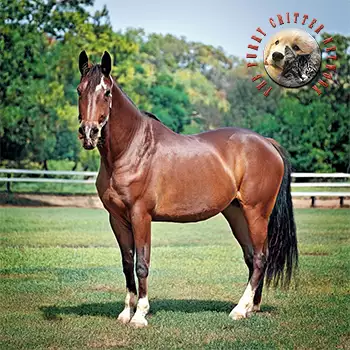

Growth & Physical Development

The juvenile period for a Warmblood horse spans roughly from weaning at around five to six months of age through the onset of physical maturity, which for this breed type does not fully occur until age five or even six. Warmblood horses are late-maturing compared to lighter breeds, and their skeletal development continues well beyond what the eye might suggest from their outward size. By the time a Warmblood yearling stands fifteen hands tall, its growth plates are still open and its bones are still mineralizing, meaning that the impressive frame is not yet structurally ready for serious physical demands.

During the first two years, growth occurs in dramatic spurts that often leave the young horse looking temporarily unbalanced. A Warmblood yearling might appear high in the hindquarters one month and then level out the next as the front end catches up. These growth phases can affect coordination and balance, making the youngster appear clumsy or awkward. This is entirely normal for the breed and should not cause alarm, provided the horse is otherwise healthy and sound.

By age two to three, the overall frame begins to fill in with muscle and substance. The chest deepens, the barrel expands, and the topline begins to develop the characteristic Warmblood silhouette. However, the horse is still far from finished. The growth plates in the spine, particularly in the vertebrae that bear the weight of a rider, are among the last to close. This biological reality is the primary reason that responsible Warmblood trainers delay backing and riding until the horse's skeletal development is sufficiently advanced to handle the physical load.

Regular body condition scoring and growth monitoring help ensure the young Warmblood is developing at an appropriate rate. Excessive weight gain during the juvenile phase places undue stress on developing joints and can contribute to conditions such as osteochondritis dissecans. Conversely, underfeeding stunts growth and can compromise bone density. Working with an equine nutritionist or veterinarian experienced with sport horse development helps owners navigate the balance between supporting healthy growth and avoiding the pitfalls of over-conditioning.

Nutrition & Diet Transition

The transition from a milk-based diet to full reliance on forage and concentrates is one of the most significant nutritional shifts in a Warmblood's life. Weaning typically occurs between five and seven months of age, and the stress of separation from the mare can temporarily suppress appetite and immune function. A well-planned weaning process, whether gradual or abrupt, should account for the foal's nutritional needs by ensuring high-quality forage and an appropriately formulated growth feed are already part of the diet before the mare is removed.

Juvenile Warmbloods require a diet that supports steady skeletal growth without promoting excessive weight gain or rapid growth spurts. The foundation of the diet should be high-quality forage, either pasture or hay, which provides the fiber, vitamins, and minerals essential for healthy digestive function. A concentrate feed specifically formulated for growing horses ensures the young Warmblood receives adequate protein, calcium, phosphorus, and trace minerals in the correct ratios. The calcium-to-phosphorus ratio is particularly critical during this stage, as imbalances can directly affect bone development.

As the Warmblood progresses from yearling to two- and three-year-old, its nutritional requirements shift. The protein demands of rapid early growth gradually decrease, while caloric needs may fluctuate depending on the horse's activity level, environment, and metabolic rate. Many owners make the mistake of continuing to feed a high-energy growth ration long past the point of active skeletal development, which can lead to obesity and associated metabolic issues. Transitioning to a maintenance or light-work feed should occur as growth slows and the horse approaches physical maturity.

Access to clean, fresh water at all times is non-negotiable, as is the provision of a salt block or loose salt to encourage adequate hydration. Young Warmbloods on pasture may meet most of their nutritional needs through grazing during the growing season, but forage quality varies significantly by region and season. Having hay and pasture analyzed for nutritional content allows owners to make informed decisions about supplementation and concentrate feeding rather than guessing at what the horse actually needs.

Behavioral Changes

Adolescence in Warmbloods brings a wave of behavioral changes that can catch unprepared owners off guard. As hormone levels begin to rise, typically around eighteen months to two years of age, young horses may become more assertive, test boundaries, and exhibit increased reactivity to environmental stimuli. Colts in particular may begin displaying stallion-like behaviors including posturing, vocalizing, and showing heightened interest in other horses. Fillies may show cyclical mood changes once their estrous cycles begin, becoming irritable or distracted during heat periods.

The natural herd instinct becomes more pronounced during adolescence, and young Warmbloods may become highly attached to pasture mates or resistant to being separated from the group. This is developmentally normal behavior rooted in the horse's survival instincts, but it can create management challenges. Gradually teaching the young horse to spend time away from companions, first in visual range and then out of sight, builds independence and confidence that will serve it well when formal training begins.

Curiosity and playfulness are hallmarks of the juvenile Warmblood temperament. Young horses in this age range are mouthy, investigative, and prone to testing every fence, bucket, and gate latch in their environment. Providing adequate turnout with space to run, play, and interact with other horses channels this energy constructively. Boredom in a confined juvenile Warmblood often manifests as destructive behavior, cribbing, weaving, or other stereotypies that can become lifelong habits if the underlying need for stimulation is not addressed.

Consistent handling and clear boundaries are essential during this period. The adolescent Warmblood is learning the rules of engagement with humans, and inconsistency creates confusion and anxiety. Handlers should be firm but fair, rewarding cooperation and calmly correcting unwanted behavior without resorting to force or punishment. The temperament traits that make Warmbloods exceptional sport horses, their sensitivity, intelligence, and desire to please, also make them particularly responsive to the quality of their human interactions during this formative period.

Training Foundations

Foundational training for a juvenile Warmblood focuses on groundwork, manners, and building a vocabulary of aids that the horse will carry into its ridden career. This work typically begins in earnest after weaning and progresses incrementally through the yearling and two-year-old years. The goal is not to rush the horse toward performance but to create a confident, respectful, and responsive partner who understands basic expectations. Leading, tying, standing for the farrier and veterinarian, loading onto a trailer, and accepting grooming and tack are all fundamental skills that should be well-established before any thought of backing.

Lungeing and long-lining can be introduced carefully during the late two-year-old or three-year-old year, depending on the individual horse's physical and mental readiness. These exercises develop balance, rhythm, and responsiveness to voice commands and rein aids without the added burden of a rider's weight. Sessions should be kept short and varied, as young horses have limited attention spans and repetitive drilling quickly sours their attitude. Warmblood breed registries often hold young horse evaluations and inspections that provide valuable feedback on movement quality and conformation during this stage.

The decision of when to introduce a rider is one of the most consequential choices in a Warmblood's development. Many breed experts recommend waiting until the horse is at least three and a half to four years old, with some advocating for an even later start depending on the individual's skeletal maturity. Starting a horse under saddle before its body is physically prepared increases the risk of joint damage, back soreness, and long-term soundness issues that can shorten or end an athletic career prematurely.

Mental readiness is equally important as physical readiness. A juvenile Warmblood that is still anxious, overly reactive, or struggling with basic groundwork concepts is not ready for the added complexity of carrying a rider. Patience during this stage pays enormous dividends in the quality and longevity of the horse's eventual performance career. The extra months spent building a solid foundation of trust and understanding produce a horse that progresses more quickly and more happily once formal training begins.

Exercise & Activity

Appropriate exercise for a juvenile Warmblood looks very different from what is expected of a mature performance horse. The primary form of exercise during the first two to three years should be free turnout in a safe, spacious paddock or pasture where the young horse can move at its own pace, play with companions, and develop natural balance and coordination. Self-directed movement over varied terrain strengthens tendons, ligaments, and bones far more effectively and safely than structured exercise programs imposed too early.

Forced exercise, including lunging in tight circles, repeated jumping efforts, or extended trotting on hard surfaces, places disproportionate stress on immature skeletal structures. The growth plates in a young Warmblood's legs, particularly those in the knees, hocks, and fetlocks, are vulnerable to compression injuries and repetitive stress. Once these growth plates are damaged, the consequences can be permanent and career-limiting. The guiding principle for exercise during this stage is that the horse should never be asked to do more than its body is physically equipped to handle.

Short, purposeful handling sessions that incorporate walking over ground poles, navigating simple obstacles, and exploring new environments provide both physical and mental stimulation without taxing the young horse's developing body. Trail walks in hand are an excellent way to build fitness, expose the horse to varied stimuli, and strengthen the handler-horse relationship. These low-intensity activities also teach the young Warmblood to focus and think through new situations, building the mental resilience that is essential for a future sport horse.

As the horse approaches three to four years of age and begins light work under saddle, exercise should remain conservative. Short sessions of walk and trot on good footing, interspersed with adequate rest days, allow the horse to build fitness gradually. The temptation to push a talented young Warmblood too far too fast is real, particularly when the horse shows natural aptitude for its discipline. However, the long-term athletic career of a Warmblood is measured in decades, not months, and protecting the young horse's body during these developmental years is one of the best investments an owner can make.

Gelding & Reproductive Considerations

The decision of whether and when to geld a young Warmblood colt is one of the most common management questions during the juvenile stage. The majority of male Warmbloods that are not specifically identified as breeding prospects are gelded, as castration dramatically simplifies management, improves safety, and generally produces a more focused, trainable horse. The ideal timing for gelding depends on several factors including the individual colt's temperament, the owner's management setup, and the guidance of the attending veterinarian.

Many veterinarians recommend gelding between six and eighteen months of age. Earlier castration, performed before the onset of strong hormonal behaviors, tends to produce a calmer, more tractable horse. Some owners prefer to wait until the colt has matured somewhat, believing that later gelding allows for more masculine muscular development. While there is some truth to the influence of testosterone on muscle development, the behavioral and management benefits of early gelding typically outweigh the modest physical differences, particularly for horses destined for amateur or recreational careers.

Fillies entering adolescence will begin cycling, typically starting in the spring of their yearling or two-year-old year. Estrous behavior can range from barely noticeable to significantly disruptive, with some fillies becoming markedly moody, distracted, or sensitive during their heat periods. For fillies whose cycles interfere substantially with their training and handling, veterinary options exist to manage or suppress estrous behavior. These interventions should be discussed with a reproductive veterinarian who can outline the benefits, risks, and appropriateness of each approach.

Regardless of gender, reproductive health should be part of the ongoing veterinary conversation during the juvenile years. For colts retained as breeding prospects, regular reproductive evaluations ensure normal development. For all young horses, awareness of reproductive anatomy and behavior helps owners distinguish between normal developmental patterns and conditions that may require veterinary intervention.

Socialization & Exposure

Continued socialization throughout the juvenile period builds upon the foundation established during the foal's early weeks and is essential for producing a well-adjusted adult Warmblood. Horses that are isolated during their formative years or exposed to a narrow range of experiences tend to be more reactive, anxious, and difficult to train than those raised in socially enriched environments. For a breed destined for competition and public performance, the ability to remain calm and focused in novel situations is not merely desirable but functionally necessary.

Turnout with a compatible group of horses provides the richest social education available to a young Warmblood. Within a herd, the juvenile horse learns to read and respond to the body language of other horses, negotiate shared resources like water and preferred grazing spots, and establish appropriate social boundaries. These interactions develop emotional intelligence and impulse control that transfer directly to the horse's relationship with human handlers and riders. A horse that has learned to navigate social dynamics with other horses is generally more respectful and responsive under human direction.

Systematic exposure to the types of environments and stimuli the horse will encounter in its future career should begin during the juvenile phase and increase in complexity over time. For a Warmblood destined for competition, this might include visits to unfamiliar arenas, exposure to loudspeakers and crowds, experience with electric clippers and bathing, and practice loading and traveling in a trailer. Each new experience should be introduced calmly and positively, with the handler providing quiet reassurance and allowing the horse time to process and accept the stimulus without forcing confrontation.

The balance between adequate exposure and overwhelming the young horse is critical. A juvenile Warmblood that is flooded with too many intense experiences in a short period may become anxious, shut down, or develop avoidance behaviors. Conversely, a horse that is sheltered from all novel stimuli arrives at its first training session or competition woefully unprepared for the sensory demands. The ideal approach is a steady, progressive program of exposure that respects the individual horse's temperament and learning speed while consistently expanding its comfort zone.

Always consult a qualified professional before making any health-related decisions. This content is provided for informational reference only and should not replace professional guidance specific to your animal.