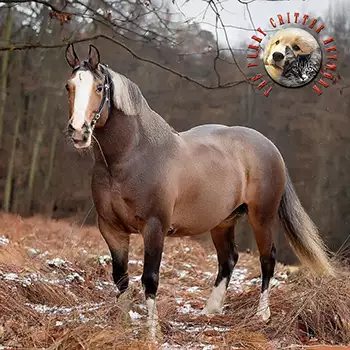

The Danish Warmblood undergoes remarkable physical transformation during the juvenile and adolescent period, which spans roughly from weaning at around five to seven months through the age of three or four years. During this time, the horse will grow from a gangly, leggy youngster into a powerful and elegant sport horse. Growth occurs in stages, with the legs reaching near-adult length relatively early while the body fills out and deepens more gradually over subsequent years.
Warmblood breeds like the Danish Warmblood are known for extended growth periods compared to lighter breeds. Many individuals do not reach their full height until four or five years of age, and muscular maturity may not be achieved until six or seven. This prolonged developmental timeline is important to understand because it directly affects decisions about training, workload, and nutrition. Pushing a young Danish Warmblood too hard physically before its skeletal system has matured can lead to lasting damage.
Regular monitoring of growth rate is advisable during this stage. Rapid, uneven growth spurts can contribute to developmental orthopedic diseases, including osteochondritis dissecans and physitis. A veterinarian experienced with sport horses can help assess whether the young horse's growth trajectory is healthy and recommend adjustments to diet or exercise as needed. Height and weight measurements taken at consistent intervals provide valuable tracking data.
Conformation changes are expected throughout adolescence, and it is common for young Danish Warmbloods to appear temporarily unbalanced as different parts of the body grow at different rates. A youngster that looks high behind or downhill one month may level out the next. Evaluating long-term conformation potential should be done cautiously, with the understanding that the final picture does not emerge until the horse is fully mature.