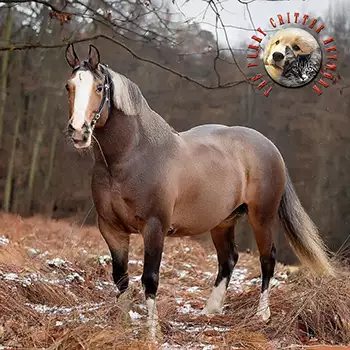

Breeding Readiness

Determining whether a Danish Warmblood is ready for breeding involves a comprehensive evaluation of the horse's physical maturity, genetic merit, health status, and temperament. While mares are physically capable of conceiving as early as two years of age, responsible breeding practices dictate waiting until the mare is at least four years old, and ideally five or older, so that her own growth and development are complete before the demands of pregnancy are placed on her body.

For mares, a pre-breeding reproductive examination by an equine veterinarian is essential. This evaluation typically includes a rectal palpation and ultrasound of the reproductive tract to assess uterine and ovarian health, a uterine culture and cytology to screen for infection, and a review of the mare's overall health and body condition. Mares that are underweight, overweight, or dealing with unresolved health issues are not ideal candidates for breeding until those concerns are addressed.

Stallions intended for breeding should undergo a breeding soundness examination that includes evaluation of the reproductive organs, semen quality analysis, and assessment of libido and mating behavior. Within the Danish Warmblood breeding program, stallions must also meet rigorous performance and conformation standards established by the breed society before they are approved for breeding. This approval process is a cornerstone of the breed's quality and reputation.

Beyond physical readiness, both mare and stallion should possess qualities that merit passing to the next generation. The Danish Warmblood breeding program emphasizes athletic ability, correct conformation, sound temperament, and freedom from heritable health conditions. Breeding decisions should be guided by a thoughtful assessment of how the mare and stallion complement each other, with the goal of producing offspring that advance the breed's standards rather than simply producing more horses.

The Estrous Cycle

Understanding the mare's estrous cycle is fundamental to successful breeding management of the Danish Warmblood. Mares are seasonally polyestrous, meaning they cycle regularly during the longer daylight months of spring and summer and typically enter a period of reproductive quiescence, called anestrus, during the shorter days of winter. The transition periods in spring and fall can produce irregular cycles that complicate breeding timing.

The normal estrous cycle in the mare lasts approximately twenty-one days, consisting of roughly five to seven days of estrus, during which the mare is receptive to the stallion, and fourteen to sixteen days of diestrus, during which she is not. Ovulation typically occurs twenty-four to forty-eight hours before the end of estrus. Precise timing of ovulation is critical for successful breeding, whether using natural cover or artificial insemination, and is best achieved through regular veterinary monitoring with ultrasound.

Artificial manipulation of the mare's cycle using artificial lighting programs can encourage earlier cyclicity in the spring, which is particularly relevant for breeders aiming for early-season foals. Placing the mare under extended artificial light beginning in late November or December stimulates the hormonal cascade that leads to regular cycling. Hormonal interventions to synchronize or hasten ovulation are also commonly used in managed breeding programs and should be administered under veterinary supervision.

Some mares exhibit behavioral signs of estrus that are easily recognized, including frequent urination, tail raising, and receptivity when exposed to a teaser stallion. Other mares show minimal outward signs, making veterinary monitoring essential for accurate cycle tracking. Maiden mares breeding for the first time and older mares returning to breeding after a hiatus may have less predictable cycles and benefit from closer veterinary oversight during the breeding season.

Pregnancy & Gestation

The gestation period for a Danish Warmblood mare averages approximately three hundred and forty days, though individual variation is normal and pregnancies ranging from three hundred and twenty to three hundred and sixty days can produce healthy foals. Pregnancy can be confirmed by ultrasound as early as fourteen to sixteen days after ovulation, and an early examination is recommended to check for twin pregnancies, which are dangerous in horses and typically require veterinary intervention to reduce to a single embryo.

During the first two-thirds of pregnancy, the mare's management can remain relatively normal, including moderate exercise and her regular diet. As pregnancy progresses into the final trimester, the mare's nutritional needs increase significantly to support the rapid growth of the foal. Energy, protein, calcium, and phosphorus requirements all rise, and the mare's diet should be adjusted accordingly. A feed program designed for broodmares in late gestation, combined with high-quality forage, typically meets these increased demands.

Regular veterinary monitoring throughout pregnancy helps ensure the health of both mare and foal. Ultrasound examinations can track fetal development, and the mare's overall health should be assessed at each visit. Vaccinations should be updated during pregnancy according to your veterinarian's recommendations, with particular attention to vaccines that provide passive immunity to the foal through colostrum. Deworming during pregnancy should follow your veterinarian's guidance, as some products are contraindicated during certain stages of gestation.

As the mare approaches her due date, preparation for foaling should begin in earnest. The foaling area should be clean, spacious, and well-bedded. Supplies for foaling should be assembled and readily accessible, including clean towels, antiseptic for the umbilical stump, a watch or clock for timing events, and your veterinarian's emergency contact information. Monitoring the mare closely for signs of impending foaling, such as udder development, waxing of the teats, and relaxation of the muscles around the tailhead, allows caregivers to be present and ready when the time comes.

Foaling Preparation

Thorough preparation for foaling is one of the most important steps a Danish Warmblood breeder can take to ensure a safe delivery and healthy outcomes for both mare and foal. The foaling environment should be finalized well before the mare's expected due date. A large, clean stall with a minimum dimension of fourteen by fourteen feet is ideal for a warmblood-sized mare. The stall should be deeply bedded with clean straw and free of any fixtures, feeders, or objects that could pose a hazard during the birth process.

A foaling kit should be assembled and kept in an accessible location near the foaling stall. Essential items include clean towels or sheets, a bulb syringe for clearing the foal's nostrils if necessary, antiseptic solution for the umbilical stump, latex gloves, a thermometer, a watch or phone for timing critical events, and a container for collecting and examining the placenta. Having frozen colostrum from a tested donor mare available provides a safety net in case the mare's own colostrum is inadequate or the foal is unable to nurse.

Foaling surveillance is standard practice among experienced breeders and can be as simple as regular nighttime checks or as sophisticated as closed-circuit camera systems and foaling alarms. Because mares often foal at night and deliveries can progress rapidly, having a reliable monitoring system in place increases the likelihood of being present for the birth. Foaling alarms that attach to the mare's halter or surcingle can alert caregivers when the mare lies down in the foaling position.

Establishing a relationship with an equine veterinarian who is experienced in reproductive work and available for emergencies is essential before the foaling date arrives. Dystocia, or difficult birth, is a genuine emergency in horses and requires rapid veterinary intervention. While most Danish Warmblood mares foal without complications, having a plan in place for emergency scenarios provides peace of mind and can save lives when seconds count.

Postpartum Care

The hours and days following foaling are a critical period for both the Danish Warmblood mare and her new foal. Immediate postpartum care begins with ensuring the foal is breathing normally and that the mare is attentive and accepting of her offspring. The umbilical stump should be treated with antiseptic solution as soon as practical, and the mare should be monitored for the passage of the placenta, which normally occurs within one to three hours of delivery.

The mare's physical recovery from foaling deserves careful attention. She should be offered fresh water and a small amount of high-quality hay soon after delivery. Her appetite and energy level should return to normal within the first day. The vulva and perineal area should be observed for excessive swelling, tearing, or discharge that might indicate injury sustained during delivery. A post-foaling veterinary examination of the mare within the first twenty-four hours is advisable to confirm that her reproductive tract is recovering normally.

Milk production ramps up rapidly after foaling, and the mare's nutritional demands during lactation are the highest of any phase of her life. A lactating mare may require fifty to seventy percent more calories than her maintenance requirement, along with significantly increased protein, calcium, and phosphorus. The diet should be adjusted to meet these demands, and body condition should be monitored closely. Mares that lose excessive condition during lactation may have difficulty conceiving if they are to be rebred.

The mare's return to estrus typically occurs around seven to twelve days postpartum, commonly referred to as foal heat. While some breeders choose to breed on the foal heat to maximize efficiency, this decision should be made in consultation with a veterinarian based on the mare's recovery, uterine health, and breeding history. Many reproductive specialists recommend waiting until the second or third postpartum cycle to allow the uterus more time to involute and return to optimal condition for supporting a new pregnancy.

Responsible Breeding Ethics

Responsible breeding of the Danish Warmblood carries obligations that extend far beyond the act of producing a foal. The Danish Warmblood breeding program is built on a foundation of rigorous selection, performance testing, and quality standards that have earned the breed an international reputation for excellence in sport. Breeders who participate in this program have a responsibility to uphold these standards and to prioritize the welfare of the horses they produce.

Genetic diversity and the avoidance of heritable health conditions are central concerns in responsible breeding. Breeders should research the pedigrees of both mare and stallion thoroughly, with attention to known health issues, conformation faults, and temperament concerns that may be passed to offspring. The Danish Warmblood breed society maintains records and resources that assist breeders in making informed pairing decisions. Consulting with breed advisors and experienced breeders can provide additional perspective.

Every foal born represents a commitment of resources, time, and care that extends for the horse's entire life. Responsible breeders plan not only for the foal's birth and early development but also for its training, sale, and long-term placement. Producing more horses than the market can absorb or than the breeder can properly care for and develop is a disservice to the breed and to the individual animals. Quality should always take precedence over quantity in a breeding program.

The welfare of the broodmare must be a priority throughout the breeding process. Mares should not be bred back year after year without adequate recovery time, and their physical and mental well-being should be considered at every stage. Older mares and those with reproductive difficulties deserve compassionate management decisions, including the recognition that retirement from breeding may be in the mare's best interest. Responsible breeding is ultimately an exercise in stewardship, guided by respect for the animals, the breed, and the broader equine community.

Always consult a qualified professional before making any health-related decisions. This content is provided for informational reference only and should not replace professional guidance specific to your animal.