
Cleveland Bay Breed Guide - Furry Critter Network

Cleveland Bay

Quick Facts

🔬 Scientific Name
Equus ferus caballus
📋 Breed Registry
Cleveland Bay Horse Society (UK), Cleveland Bay Horse Society of North America (CBHSNA)
📊 Care Level
Intermediate
😊 Temperament
Calm
📏 Height
16-17 hands
⏱️ Lifespan
25-30 years
⚖️ Weight
1,200-1,500 lbs
🎨 Coat Colors
Bay only with black points (bright bay preferred)
🍽️ Diet Type
Herbivore
🌍 Origin
Cleveland District, Yorkshire, England
📐 Size
Large

Cleveland Bay - Names & Recognition

The Cleveland Bay takes its name from two defining characteristics: the Cleveland district of Yorkshire, England, where the breed developed, and its uniform bay coloring that has distinguished these horses for centuries. This descriptive name appears in records dating to the late 18th century when the breed achieved its modern form, though the horses' ancestors were known by different names reflecting their earlier uses.

Before the Cleveland Bay designation became standard, the breed's ancestors were called Chapman Horses after the traveling merchants (chapmen) who relied on them as pack horses in medieval England. These sturdy animals carried goods between monasteries and market towns, earning their name through association with commerce rather than geographic origin. The transition from Chapman Horse to Cleveland Bay reflected both the breed's refinement and its increasing use for carriage work rather than pack transport.

The Cleveland Bay Horse Society, founded in 1883 in Great Britain, maintains the official studbook first published in 1884. This registry established standards that remain largely unchanged today, preserving the breed's essential characteristics through more than a century of careful documentation. The Cleveland Bay Horse Society of North America (CBHSNA) oversees registration in the United States and Canada, maintaining close ties with the British parent organization while advocating for the breed's preservation in North America.

Part-bred Cleveland Bays, also called Cleveland Bay Sport Horses, have been recognized since the late 1970s when registries began documenting crossbred horses with Cleveland Bay heritage. Horses with at least one-eighth Cleveland Bay blood may register as part-breds, acknowledging the breed's continuing contribution to sport horse development while maintaining separate designation from purebreds.

Cleveland Bay Physical Description

The Cleveland Bay presents as a substantial, well-muscled warmblood standing between 16 and 17 hands at maturity, with ideal proportions balancing height, weight, and bone. Mature individuals typically weigh between 1,200 and 1,500 pounds, reflecting their heritage as powerful carriage horses capable of pulling substantial loads at speed. The breed standard emphasizes proportional balance, accepting heights slightly outside the typical range when accompanied by appropriate substance.

The head is large but refined, often displaying a slightly convex or Roman profile that traces to Iberian influences in the breed's development. The expression is intelligent and kind, with large, well-set eyes and appropriately proportioned ears. A long, well-muscled neck connects to prominent withers that may appear less defined due to heavy muscling. The chest is notably broad and deep, providing the lung capacity and heart room essential for sustained athletic effort.

The body features a wide, deep barrel with well-sprung ribs, a strong but not overly long back, and muscular loins. Shoulders slope appropriately for good movement, though the emphasis on carriage work historically favored more upright shoulders than modern sport horse breeding prefers. The hindquarters are level, powerful, long, and oval-shaped, with the tail springing naturally from well-developed quarters. This powerful rear end provides the driving force for both carriage work and jumping.

Legs are perhaps the breed's most distinctive feature, appearing short relative to body depth but possessing exceptional strength and bone density. Minimum bone measurement of nine inches below the knee is expected in mature stallions. The legs are clean, meaning they lack the heavy feathering found in draft breeds, a practical adaptation that prevented skin problems when working in Yorkshire's heavy clay soils. Hooves are dense, well-formed, and characteristically blue-black in color.

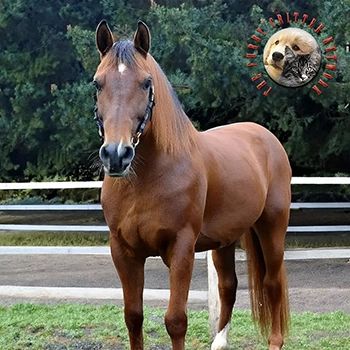
Color is the breed's defining visual characteristic: Cleveland Bays are always bay with black points. Bright bay, showing reddish highlights in the coat, is most preferred by breeders, followed by ordinary bay, dark bay, and light bay. Some bloodlines characteristically display gray hairs in the mane and tail, considered a sign of pure breeding rather than a fault. White markings are prohibited except for a small star on the forehead, and the legs must be completely black from knee and hock downward.

Riding Suitability
Cleveland Bays offer excellent riding experiences for intermediate to advanced riders, excelling in hunting, dressage, and show jumping. Their sensible temperaments make them more suitable for timid riders than hotter warmbloods, though their size and power require confident handling. They provide comfortable, ground-covering gaits across varied terrain.
Temperament
The Cleveland Bay possesses an exceptionally calm, docile temperament refined through centuries of selection for reliable carriage work. They display intelligence, willingness, and sensibility without the reactive tendencies of hotter breeds. Their steady natures and bold, honest characters make them trustworthy partners for diverse equestrian pursuits.
Activity Level
Cleveland Bays exhibit moderate activity levels appropriate for their warmblood heritage. They require regular exercise and mental stimulation but are not demanding high-energy horses. Their stamina supports extended work sessions, whether driving, hunting, or schooling, without the explosive energy that challenges less experienced handlers.
Space Requirements
As large warmbloods weighing up to 1,500 pounds, Cleveland Bays require substantial space for comfortable housing and turnout. Two to three acres per horse provides adequate grazing, while sturdy stalls of at least 12x12 feet accommodate their size. Their active natures benefit from ample room to move freely.
Grooming Requirements
Cleveland Bays are relatively low-maintenance in grooming despite their substantial size. Their clean legs lack the heavy feathering that collects debris and causes skin issues in draft breeds. Regular brushing maintains their bay coats' shine, and their dark coloring hides dirt better than lighter horses.
Climate Adaptability
Developed in the variable climate of northern England, Cleveland Bays demonstrate solid adaptability to diverse weather conditions. They tolerate cold, damp environments well and adjust adequately to warmer climates with appropriate management. Their hardy constitutions handle seasonal extremes without requiring elaborate climate control measures.
Health Hardiness
Cleveland Bays are notably hardy, long-lived horses with few breed-specific health issues. Their clean legs and sound feet reduce common lameness problems, while robust constitutions resist many equine ailments. However, limited genetic diversity from near-extinction creates some inbreeding concerns requiring thoughtful breeding management.
Feed Management
Cleveland Bays are average keepers requiring balanced nutrition without the metabolic sensitivities of native pony breeds. Most maintain condition well on quality forage with moderate supplementation for horses in work. They are neither prone to obesity nor hard keepers, making feeding management straightforward for experienced owners.

Temperament

The Cleveland Bay's temperament represents centuries of selection for reliability and tractability in demanding situations. Carriage horses working in teams through crowded city streets, pulling nobility to important engagements, could not afford volatile reactions or unpredictable behavior. This history produced horses of exceptional steadiness, intelligence, and willing cooperation that remains the breed's defining psychological characteristic.

Their calm dispositions make Cleveland Bays notably more suitable for less experienced riders than many modern warmblood breeds, which often carry significant Thoroughbred influence adding reactivity. While possessing adequate energy for athletic pursuits, Cleveland Bays approach work without the explosive tendencies that challenge timid or novice riders. This accessibility broadens the breed's appeal beyond professional horsemen to serious amateurs seeking reliable partners.

Intelligence manifests in quick learning, good problem-solving abilities, and genuine engagement with their handlers. Cleveland Bays develop strong bonds with consistent caregivers and remember both lessons and people across extended periods. Their desire to please combines with sufficient sensitivity to make them responsive training partners who reward skillful riding without requiring the strength-based corrections some duller horses demand.

The breed's characteristic boldness and honesty mean Cleveland Bays approach challenges directly rather than seeking evasion. In the hunting field or cross-country course, they demonstrate willingness to tackle obstacles without the questioning hesitation that plagues less confident horses. This boldness pairs with sensibility, however, as Cleveland Bays assess situations rather than charging blindly into danger.

Socially, Cleveland Bays integrate well into mixed herds and form stable relationships with other horses. Their calm natures often provide settling influences on more reactive herdmates. With humans, they display genuine affection and recognition, maintaining patience even with handlers making learning errors. This forgiving nature extends to veterinary and farrier work, where Cleveland Bays typically stand quietly for necessary procedures.

Their work ethic reflects heritage as all-day carriage and farm horses expected to maintain effort throughout long working hours. Cleveland Bays tackle tasks willingly without requiring constant encouragement, though they appreciate variety in their work and handlers who recognize their contributions.

Facilities & Management

Housing Cleveland Bays requires facilities scaled to accommodate substantial warmbloods weighing up to 1,500 pounds and standing 17 hands tall. Stalls should measure at least 12x12 feet, with 12x14 feet preferred for larger individuals. Ceiling heights of ten feet or more provide adequate headroom for these tall horses, while doors of at least four feet width allow comfortable passage without risk of hip or shoulder injuries from tight clearances.

Run-in shelters in pasture situations must similarly accommodate the breed's size, with openings wide enough for horses to enter and exit without crowding. In group turnout, multiple access points prevent dominant horses from trapping subordinates outside. Shelter construction should withstand the weight of large horses rubbing against posts and walls, using materials that won't splinter or create hazards if damaged.

Fencing must be substantial enough to contain powerful horses and tall enough to discourage jumping. Five-foot fence heights using four-board construction or equivalent mesh provide secure containment. Post spacing of eight feet or less, with boards or mesh securely attached, prevents horses from pushing through weakened sections. Electric fencing supplements physical barriers effectively but shouldn't serve as sole containment for valuable breeding stock.

Pasture space of two to three acres per horse provides adequate grazing for Cleveland Bays, with their moderate metabolic efficiency meaning they maintain condition on less-than-perfect grass without becoming grossly overweight. Rotational grazing management improves pasture quality and reduces parasite loads. Adequate drainage prevents standing water that leads to hoof problems and skin conditions.

Water requirements for these large horses reach 10-15 gallons daily, increasing significantly with exercise, hot weather, or lactation. Automatic waterers must be positioned at appropriate heights and flow rates for horses drinking substantial quantities. During winter, heated water sources or regular ice removal ensures continued adequate hydration.

Daily management includes thorough health checks given the breed's rarity and genetic value. Monitoring for any lameness, changes in appetite, or behavioral alterations catches problems early when intervention is most effective. Turnout maximizes time outdoors, as Cleveland Bays benefit mentally and physically from movement and social interaction. Excessive stall confinement contributes to stress and associated health problems in this active breed.

Grooming routines maintain the breed's characteristic bay coat condition while providing opportunities for thorough health assessment. Their clean legs simplify grooming compared to feathered breeds, and dark coloring proves forgiving of accumulated dust between thorough cleanings.

Feeding & Nutrition

Cleveland Bay nutrition balances the substantial caloric needs of large warmbloods against the breed's tendency toward average keeping capacity. Most individuals maintain appropriate body condition on quality forage-based diets with moderate supplementation, requiring neither the careful caloric restriction of easy-keeping ponies nor the intensive feeding of hard-keeping Thoroughbreds. This nutritional straightforwardness simplifies management for experienced horse owners.

Quality hay forms the dietary foundation, with mature Cleveland Bays consuming approximately 1.5-2% of body weight in forage daily. For a 1,350-pound horse, this translates to roughly 20-27 pounds of hay. Mixed grass hay with moderate protein content (10-12%) suits most individuals well, while horses in heavy work may benefit from inclusion of some legume hay for additional energy and protein. Forage quality significantly impacts overall nutrition and should be assessed through analysis.

Grain or concentrate feeds become necessary for Cleveland Bays in regular work, breeding, or those maintaining insufficient condition on forage alone. Commercial feeds formulated for warmblood or performance horses provide balanced nutrition when fed according to manufacturer guidelines based on work level and body weight. Avoid overfeeding concentrates, as excess contributes to digestive upset, behavior problems, and unnecessary weight gain.

Mineral and vitamin supplementation ensures nutritional completeness, particularly when forage analysis reveals deficiencies. A quality commercial supplement or ration balancer addresses common shortfalls in selenium, vitamin E, and other nutrients that may be lacking in stored hay. Salt should be available free-choice, with adult horses typically consuming one to two ounces daily. Electrolyte supplementation benefits horses in heavy work or during hot weather.

Performance horses require increased caloric intake to fuel athletic demands. Adding fat through oil supplementation or high-fat commercial feeds provides cool calories without the behavioral effects sometimes associated with high grain intake. Performance Cleveland Bays benefit from small, frequent meals rather than large twice-daily feedings, which better mimics natural grazing patterns and reduces digestive stress.

Breeding stock has specific nutritional requirements varying by reproductive status. Pregnant mares need gradually increasing nutrition during the final trimester, with significant increases during lactation to support milk production. Stallions in breeding season require adequate nutrition to maintain condition while covering mares. Young growing horses need balanced nutrition supporting skeletal development without promoting excessive growth rates that stress developing joints.

Fresh water must be constantly available, with consumption varying from 10-15 gallons daily at rest to substantially more during exercise and hot weather. Water quality matters, and sources should be tested periodically for contamination that might affect horse health.

Cleveland Bay Health & Lifespan

Cleveland Bays are notably hardy, long-lived horses that typically enjoy good health with appropriate basic care. Their breeding for strength, soundness, and stamina produced robust constitutions resistant to many common equine ailments. However, the breed's near-extinction in the mid-20th century created genetic bottlenecks that require consideration in breeding management and health monitoring. With proper care, Cleveland Bays commonly remain active and healthy well into their twenties.

With thoughtful management addressing both routine care needs and breed-specific genetic considerations, Cleveland Bays provide decades of sound service and companionship. Their natural hardiness reduces veterinary costs compared to more delicate breeds, while their value as rare genetic resources justifies investment in preventive care. Establishing relationships with veterinarians experienced in warmblood care ensures optimal health outcomes for these remarkable horses.

Common Health Issues

  • Limited genetic diversity from historical population bottlenecks increases susceptibility to inherited conditions - Making genetic testing and careful mate selection important for breeders maintaining breeding programs.
  • Gastric ulcers affect Cleveland Bays in regular training - As with other performance horses, requiring attention to feeding practices, stress reduction, and appropriate preventive measures for horses showing risk factors.
  • Joint issues including degenerative joint disease may develop in performance horses - Particularly those engaged in jumping or extensive driving work that places repetitive stress on legs and joints.
  • Reproductive challenges including mare infertility have been documented as ongoing concerns in the breed - Complicating conservation efforts and requiring specialized veterinary support for breeding programs.
  • Athletic injuries affecting tendons - Ligaments, and bones occur in working Cleveland Bays as in all sport horses, emphasizing the importance of appropriate conditioning and workload management.
  • Dental abnormalities requiring regular floating develop without routine care - Potentially affecting digestion and body condition if sharp points or uneven wear interfere with chewing efficiency.

Preventive Care & Health Monitoring

  • Annual or semi-annual veterinary examinations should include dental evaluation - Vaccination updates according to regional recommendations, and lameness screening to identify developing joint issues early.
  • Regular farrier care every 6-8 weeks maintains the breed's characteristically sound feet - With most Cleveland Bays thriving barefoot unless engaged in work on abrasive or hard surfaces.
  • Strategic deworming based on fecal egg counts manages parasite loads effectively while reducing development of resistant worm populations that could threaten this rare breed. - Strategic deworming based on fecal egg counts manages parasite loads effectively while reducing development of resistant worm populations that could threaten this rare breed.
  • Conditioning programs that build fitness gradually prevent athletic injuries - With particular attention to proper warm-up routines and appropriate recovery periods between strenuous efforts.

Training & Handling

Training Cleveland Bays proves rewarding thanks to their intelligent, willing temperaments and genuine desire to cooperate with competent handlers. Their historical selection for carriage work demanded horses that learned quickly, retained lessons reliably, and performed consistently under varying conditions. These traits translate directly into modern training contexts, producing horses that progress steadily through systematic programs without requiring excessive repetition or harsh corrections.

Ground training establishes the essential foundation for all subsequent work, and Cleveland Bays typically excel at basic handling skills. Leading, tying, grooming acceptance, and hoof handling develop naturally in these tractable horses, though their substantial size requires handlers to maintain proper positioning and awareness. Ground manners should emphasize respect for handler space, as a 1,500-pound horse that crowds or pushes creates genuine safety concerns regardless of gentle intent.

Under saddle training benefits from the breed's natural balance and straightforward movement. Cleveland Bays carry themselves well without requiring extensive collection work to achieve basic self-carriage, though refining their natural movement into competitive dressage frames requires systematic gymnastic development. Their comfortable gaits suit long trail rides and hunting equally well, covering ground efficiently without jarring riders.

The breed's jumping ability, enhanced when crossed with Thoroughbreds, made Cleveland Bays valued for producing show jumpers, eventers, and steeplechasers. Purebreds demonstrate adequate scope for amateur jumping and hunting, approaching obstacles with characteristic boldness that builds rider confidence. Their sensible assessment of situations means they rarely rush fences or make poor decisions that endanger horse and rider.

Driving represents the Cleveland Bay's historical specialty, and modern individuals retain natural aptitude for harness work. Their steady temperaments, ground-covering movement, and willingness to work for extended periods make them outstanding carriage horses. The breed's uniform bay coloring continues to simplify creating matched pairs and teams for competitive driving or pleasure use. Driving training should progress systematically from ground driving through graduated exposure to various vehicles and situations.

Variety in training maintains the Cleveland Bay's mental engagement and prevents boredom-related resistance. These intelligent horses appreciate challenging work that demands their attention and rewards their problem-solving abilities. Alternating between flatwork, jumping, driving, and trail riding keeps training fresh while developing the breed's inherent versatility.

Suitability & Considerations

Cleveland Bays suit experienced horsepersons seeking versatile partners for driving, riding, or breeding programs, particularly those drawn to conservation of rare heritage breeds. Their combination of steady temperament, athletic ability, and historical significance appeals to riders who appreciate substance over flash and value horses that perform reliably across disciplines. First-time horse owners may find Cleveland Bays manageable given their calm natures, though professional guidance helps navigate the responsibilities of caring for large, valuable horses.

The breed excels in driving sports, from pleasure carriage driving to competitive combined driving, where their historical aptitude creates natural advantages. Riders interested in hunting find Cleveland Bays outstanding mounts, with stamina for long days in the field and boldness over natural obstacles. Dressage and show jumping at amateur levels suit the breed well, though those pursuing upper-level competition may find purebreds lack the extreme athleticism of purpose-bred sport horses.

Crossbreeding Cleveland Bays with Thoroughbreds and other sport horse breeds produces exceptional athletes for jumping, eventing, and competitive driving. Many European warmblood studbooks benefited from Cleveland Bay influence historically, and modern breeders continue using Cleveland Bays to add bone, substance, and tractability to sport horse programs. Part-bred registration allows documentation of these crossbred horses while maintaining purebred population records.

Financial considerations reflect the breed's rarity and quality. Purebred Cleveland Bays command premium prices when available, with trained riding or driving horses potentially exceeding $10,000-$20,000 depending on training level and competition record. Ongoing maintenance costs align with other large warmbloods, including substantial feed consumption, appropriate facility requirements, and regular professional care. Budget approximately $6,000-$10,000 annually for basic maintenance, with additional costs for training, showing, or breeding activities.

Acquiring Cleveland Bays requires patience and networking given the breed's critically endangered status. The Cleveland Bay Horse Society of North America maintains breeder lists and can facilitate connections between buyers and sellers. Some breeders maintain waiting lists for foals, and established horses change hands primarily through private sales within the Cleveland Bay community. Pre-purchase veterinary examinations prove especially important given the breed's value and genetic considerations.

Conservation-minded owners contribute meaningfully to breed preservation simply by maintaining Cleveland Bays well and keeping them visible to the public. Participation in breed shows, parades, and educational events raises awareness of this endangered treasure. Those with appropriate experience and resources may consider breeding programs, working with breed societies to maximize genetic diversity while maintaining breed standards.