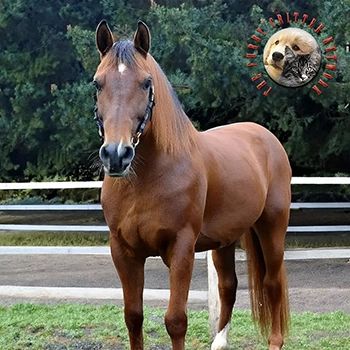

Growth & Physical Development

The Cleveland Bay is a slow-maturing breed, and understanding its unique growth trajectory is essential for making sound management decisions during the juvenile and adolescent years. Most Cleveland Bays do not reach their full height until around five to six years of age, and their muscular development and bone density continue to increase well beyond that point. Rushing physical demands on an immature skeletal system is one of the most common mistakes owners make with young horses of any breed.

During the first year after weaning, the young Cleveland Bay will experience significant growth spurts that can temporarily affect its coordination and balance. These phases, sometimes called the awkward stages, are entirely normal and should not cause alarm. The horse may appear higher in the hindquarters than the front, or its legs may seem disproportionately long relative to its body depth. These proportions gradually even out as the horse matures.

Regular body condition assessments help ensure the young horse is growing at an appropriate rate. A juvenile Cleveland Bay should carry moderate flesh over its ribs and topline without becoming overweight, as excess weight places unnecessary stress on developing joints and growth plates. Conversely, an underweight youngster may fall behind in skeletal development, so finding the right balance is critical.

Growth plate closure is a key concept for anyone raising a young Cleveland Bay. The growth plates in the knees typically close between two and two and a half years of age, while those in the spine may not fully close until five or six years. This biological reality should directly inform decisions about when and how to introduce ridden work. A veterinarian can take radiographs to assess growth plate status if there is any question about readiness for increased physical demands.

Nutrition & Diet Transition

The transition from a milk-based diet to independent feeding is one of the most important nutritional shifts in a young Cleveland Bay's life. Weaning typically occurs between four and six months of age, and by this time the foal should already be eating hay and a small amount of concentrates alongside the mare. A gradual weaning process, rather than an abrupt separation, reduces both nutritional and psychological stress on the foal.

Post-weaning nutrition should prioritize balanced mineral and vitamin intake to support the rapid bone growth characteristic of this substantial breed. Calcium, phosphorus, copper, and zinc are particularly important minerals during the growth phase, and their ratios matter as much as their absolute quantities. A commercially formulated growth feed designed for young horses, fed according to manufacturer guidelines and adjusted for the individual's body condition, provides a sound nutritional foundation.

High-quality forage should form the basis of the juvenile Cleveland Bay's diet at all stages. Good grass hay or a mix of grass and a small proportion of legume hay provides fiber, calories, and essential nutrients. Pasture access is ideal when available, as it allows the young horse to self-select a varied diet while also providing the movement that supports healthy joint and digestive function.

As the young Cleveland Bay approaches two years of age and beyond, its nutritional needs stabilize somewhat, though growth continues at a slower rate. Overfeeding concentrates during this period is a common pitfall that can lead to developmental orthopedic conditions. Work with a veterinarian or equine nutritionist to tailor the diet to the individual horse's growth rate, activity level, and body condition, adjusting the program seasonally as forage quality and availability change.

Behavioral Changes

The juvenile and adolescent period brings significant behavioral shifts as the young Cleveland Bay develops its personality and tests social boundaries. Colts and fillies begin to exhibit gender-specific behaviors as they approach sexual maturity, with colts becoming more assertive and fillies experiencing their first heat cycles. Understanding these changes as normal developmental stages rather than behavioral problems helps owners respond appropriately.

Young Cleveland Bays are generally known for their level-headed temperament, but even the calmest youngster will go through phases of increased energy, curiosity, and occasional defiance. These periods are analogous to adolescence in humans and represent the horse's growing sense of independence. Consistent, fair handling during these phases establishes the ground rules that will govern the horse's behavior for life.

Herd dynamics play an important role in behavioral development during this stage. If possible, raising the young Cleveland Bay with other horses of similar age allows it to learn appropriate social behavior through natural interaction. Horses that grow up in isolation often develop behavioral quirks and social deficits that are difficult to correct later. Even a single calm companion of any age is preferable to raising a young horse entirely alone.

Play behavior is both normal and important during the juvenile period. Young Cleveland Bays will run, buck, rear, and engage in mock sparring with herd mates. This play serves multiple developmental purposes, building physical fitness, refining coordination, and establishing social hierarchies. Owners should provide safe environments where this play can occur without risk of injury from hazards such as poor fencing, uneven ground, or equipment left in turnout areas.

Training Foundations

Groundwork training during the juvenile period lays the essential foundation for the Cleveland Bay's future career, whether in driving, riding, sport, or pleasure. The breed's intelligence and willingness to cooperate make it highly responsive to patient, systematic training methods. Begin with basic handling skills such as leading, tying, standing for grooming, and picking up hooves, building gradually toward more advanced ground manners.

Longeing and long-lining can be introduced carefully as the young horse matures, typically not before eighteen months to two years of age, and only for short sessions on good footing. These exercises teach the horse to respond to voice commands, develop balance, and begin understanding contact and direction. Keep sessions brief and varied to maintain the young horse's attention and enthusiasm without overtaxing developing joints.

The Cleveland Bay's history as a versatile carriage and farm horse means the breed often takes naturally to driving work, and early exposure to harness equipment, ground driving, and the sounds and sensations of pulling can begin well before the horse is physically ready for actual draft work. Introducing a surcingle, bridle, and long lines during the two to three year old phase familiarizes the horse with equipment in a low-pressure context.

Ridden work should not begin until the Cleveland Bay's skeletal system is sufficiently mature, which is typically no earlier than three and a half to four years of age for light work. Even then, initial sessions should be short, with a focus on walk and trot on straight lines and gentle curves. The temptation to start a young horse under saddle too early is one of the greatest risks to long-term soundness, and the Cleveland Bay's slow maturation rate demands particular patience in this regard.

Exercise & Activity

Appropriate exercise during the juvenile and adolescent years supports healthy physical development while protecting immature structures from damage. The single best form of exercise for a young Cleveland Bay is free turnout in a safely fenced pasture where the horse can move at its own pace, choosing when to walk, trot, canter, and rest. This self-regulated activity promotes bone density, joint health, and cardiovascular fitness without the repetitive stress of structured work.

As the young horse approaches two years of age, short hand-walking sessions on varied terrain introduce it to different footing while providing gentle, controlled exercise. Walking up and down gentle hills strengthens the hindquarters and core without concussive impact. Avoid hard or slippery surfaces, deep mud, and rough ground that could strain tendons or stress developing joints.

Swimming and water walking, where available, offer excellent low-impact conditioning options for young Cleveland Bays. The buoyancy of water supports the horse's weight while the resistance builds muscular strength. These activities also provide valuable mental stimulation and help acclimate the horse to water, which will benefit it throughout its life regardless of its eventual discipline.

Overexercise is a genuine risk during this stage, particularly with a breed as willing and cooperative as the Cleveland Bay. Signs of overwork include persistent lameness, swelling around joints, reluctance to move freely, or a dull coat and poor condition despite adequate nutrition. When in doubt, err on the side of less structured exercise and more free turnout time. The investment in patience during these formative years pays lifelong dividends in soundness and willingness.

Gelding Considerations

The decision of whether and when to geld a young Cleveland Bay colt is one that carries both practical and breed conservation implications. Given the Cleveland Bay's critically endangered status, any colt from registered, quality breeding stock should be carefully evaluated before gelding, as the breed's gene pool is extremely small. Consult with breed society representatives and experienced Cleveland Bay breeders before making this decision.

For colts that are not intended for breeding, gelding is generally recommended and is typically performed between one and two years of age. The procedure reduces testosterone-driven behaviors such as aggression, mounting, and difficulty concentrating during training. Most colts recover quickly from the surgery and can return to normal turnout within a few days, though strenuous exercise should be avoided for approximately two weeks following the procedure.

The timing of gelding can influence the horse's physical development. Colts gelded earlier tend to grow slightly taller, as testosterone plays a role in growth plate closure. Those gelded later may retain more stallion-like muscling and crest development. Discuss the timing with your veterinarian, considering the individual colt's maturity, temperament, and the management situation.

For fillies, the question of spaying is far less common in equine management. Most fillies that are not intended for breeding are simply managed through their heat cycles, which typically do not cause significant behavioral disruption in the generally level-headed Cleveland Bay. If a filly's heat cycles are causing persistent training or behavioral difficulties, veterinary options for hormonal management can be explored without surgical intervention.

Socialization & Exposure

Continued socialization during the juvenile period builds on the foundation established in the foal's first weeks and prepares the Cleveland Bay for a lifetime of confident interaction with people, animals, and environments. The breed's naturally calm disposition makes it well-suited to a wide range of experiences, but even the best temperament benefits from deliberate, progressive exposure to novel situations.

Trailering practice should begin during this stage, ideally well before the young horse ever needs to travel for a specific purpose. Allow the horse to explore a parked trailer at its own pace, rewarding each step of progress. Once comfortable loading and standing quietly, short practice trips help the horse learn to balance during movement. A positive early trailering experience prevents the loading difficulties that plague many adult horses.

Exposure to common situations the horse will encounter as an adult is invaluable during this developmental window. This includes standing tied in various locations, encountering dogs and other animals, being handled by the farrier and veterinarian, and experiencing grooming tools such as clippers and spray bottles. Each new experience should be introduced gradually, with retreat allowed when the horse shows stress, followed by patient re-approach.

If the Cleveland Bay is destined for driving, early exposure to traffic, crowds, and urban environments is particularly important. Begin with quiet rural roads and gradually increase the level of stimulation as the horse demonstrates confidence. The breed's historical role as a coaching horse through the busy streets of England means that many Cleveland Bays possess an innate steadiness in traffic, but this natural aptitude still benefits from systematic development during the formative years.

Always consult a qualified professional before making any health-related decisions. This content is provided for informational reference only and should not replace professional guidance specific to your animal.