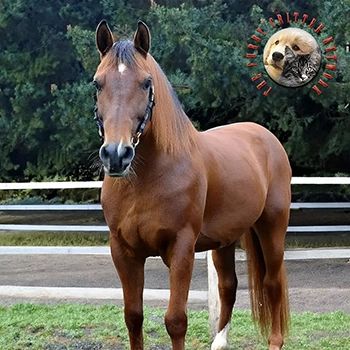

Breeding Readiness

Breeding a Cleveland Bay carries a responsibility that extends beyond the individual mare and stallion to the preservation of one of the world's oldest and rarest horse breeds. Before committing to a breeding program, potential breeders should understand that the global Cleveland Bay population numbers only in the hundreds, and every breeding decision has an outsized impact on the gene pool. Both mare and stallion should be registered with a recognized Cleveland Bay breed society, and their pedigrees should be evaluated for genetic diversity.

Physical maturity is a prerequisite for any breeding candidate. Cleveland Bay mares should not be bred before the age of four at the earliest, and many breeders prefer to wait until the mare is five or six, allowing her skeletal system to fully mature before she bears the additional demands of pregnancy. Stallions may be collected or bred in hand from three years of age, but their breeding career should be managed carefully to ensure they are physically and temperamentally mature enough for the demands of the breeding shed.

A pre-breeding veterinary examination for the mare should include a reproductive soundness evaluation, uterine culture, and assessment of overall health and body condition. The mare should be in good flesh, current on vaccinations, and free of any infectious or chronic conditions that could compromise the pregnancy. The stallion should undergo a breeding soundness examination that includes semen evaluation, physical assessment, and screening for infectious diseases.

Beyond the physical qualifications, both mare and stallion should embody the breed standard in conformation, temperament, and type. The Cleveland Bay breed society maintains specific criteria for approved breeding stock, and adhering to these standards is essential for producing foals that contribute positively to the breed's future. Breeding solely for color, size, or market appeal without regard for breed integrity undermines conservation efforts.

The Estrous Cycle

Understanding the Cleveland Bay mare's estrous cycle is fundamental to successful breeding management. Mares are seasonally polyestrous, meaning they cycle repeatedly during the longer daylight months, typically from spring through early autumn, and enter a period of reproductive inactivity called anestrus during the winter. The transition periods in early spring and late autumn can produce irregular cycles that complicate breeding timing.

A typical estrous cycle lasts approximately twenty-one days, divided into estrus, the receptive phase lasting five to seven days, and diestrus, the non-receptive phase lasting approximately fourteen to fifteen days. Ovulation typically occurs twenty-four to forty-eight hours before the end of estrus. Pinpointing the optimal breeding window requires either careful observation of behavioral signs or, more reliably, veterinary monitoring through transrectal ultrasound examination.

Behavioral signs of estrus in the mare include frequent urination, winking of the vulva, raising of the tail, and a generally receptive posture when approached by a stallion or teasing horse. However, some Cleveland Bay mares display estrus subtly, and relying solely on behavioral signs can result in missed opportunities. Ultrasound monitoring allows the veterinarian to track follicular development on the ovaries and predict ovulation timing with much greater precision.

For breeders managing mares at a distance from an approved stallion, artificial insemination with shipped cooled or frozen semen is a practical alternative to live cover. This approach requires precise cycle management and close coordination between the mare's veterinarian and the stallion owner. Some breed registries have specific rules regarding acceptable breeding methods, so confirm requirements with the relevant Cleveland Bay breed society before proceeding.

Pregnancy & Gestation

The average gestation length in horses is approximately three hundred and forty days, though individual Cleveland Bay mares may carry anywhere from three hundred and twenty to three hundred and sixty days and still produce a healthy foal. Early pregnancy confirmation is typically performed via ultrasound at fourteen to sixteen days post-ovulation, with a follow-up scan at approximately thirty days to confirm viability and check for twins. Twin pregnancies in horses are dangerous and should be managed by a veterinarian immediately upon detection.

During the first two trimesters of pregnancy, the mare's management can remain relatively unchanged from her pre-pregnancy routine. Light to moderate exercise is beneficial and helps maintain the mare's fitness and muscle tone for the physical demands of late pregnancy and foaling. Avoid strenuous work, especially activities involving sharp turns, hard stops, or jumping, as the pregnancy progresses. The mare's nutritional needs do not increase significantly until the final trimester, when fetal growth accelerates dramatically.

The final three months of pregnancy bring the most dramatic changes in the mare's nutritional requirements and physical appearance. Caloric intake should increase by approximately fifteen to twenty percent, with particular attention to protein quality, calcium, phosphorus, and trace minerals that support fetal bone and organ development. A commercially formulated broodmare feed ensures balanced nutrition during this critical phase. The mare's belly will enlarge noticeably, and her udder will begin to develop as foaling approaches.

Vaccination timing during pregnancy is important for both the mare's health and the quality of colostrum she will produce for the foal. Your veterinarian will recommend specific vaccinations during the final months of pregnancy, typically including rhinopneumonitis boosters at five, seven, and nine months, and core vaccinations four to six weeks before the expected foaling date. These vaccinations stimulate antibody production that is concentrated in the colostrum, providing the foal with critical passive immunity.

Foaling Preparation

Preparation for foaling should begin well in advance of the expected due date, as mares occasionally deliver early and the foaling process moves quickly once it begins. A clean, spacious foaling stall, ideally at least fourteen by fourteen feet for a breed the size of the Cleveland Bay, should be prepared and deeply bedded with clean straw. Shavings are generally avoided in foaling stalls because they can stick to the wet newborn and potentially be inhaled.

Assemble a foaling kit that includes clean towels, a bulb syringe for clearing the foal's nostrils, antiseptic solution for the umbilical stump, a watch for timing the stages of labor, a flashlight, and your veterinarian's emergency contact number. Tail wrapping material for the mare and a clean bucket for warm water should also be readily available. Familiarize yourself with the normal stages of equine labor so you can recognize when intervention may be needed.

Monitoring the mare for signs of impending foaling helps ensure someone is present when delivery begins. Physical indicators include softening and elongation of the vulva, relaxation of the muscles around the tailhead, and waxing of the teats, which is the appearance of dried colostrum droplets on the nipple ends, usually occurring one to three days before foaling. Foaling prediction kits that test the calcium content of the mare's milk can provide additional guidance on timing.

Establish a relationship with a veterinarian experienced in equine reproduction before the foaling date arrives. Discuss under what circumstances you should call during labor, and confirm that emergency services are available around the clock. While the majority of Cleveland Bay mares foal without complication, having professional support readily available provides essential peace of mind and can be life-saving in the event of a dystocia or other emergency.

Postpartum Care

The immediate postpartum period requires careful attention to both mare and foal. After delivery, allow the mare to rest and bond with her foal without unnecessary interference. The umbilical cord will typically break naturally when the mare or foal stands, and it should not be cut prematurely, as blood continues to transfer from the placenta to the foal for several minutes after birth. Once the cord breaks, treat the stump with antiseptic solution as directed by your veterinarian.

The mare should pass the placenta within three hours of delivery. Retained placental tissue is a serious veterinary emergency in horses that can lead to life-threatening infection and laminitis. Save the expelled placenta in a clean bucket for veterinary examination to confirm it is complete. If the placenta has not passed within three hours, contact your veterinarian immediately. Do not attempt to pull on retained placental membranes, as this can cause tearing and leave fragments inside the uterus.

Monitor the mare's recovery closely in the days following foaling. She should resume eating and drinking normally within hours of delivery, and her attitude should remain bright and engaged with the foal. Watch for signs of postpartum complications including fever, depression, decreased appetite, abnormal vaginal discharge, or reluctance to allow the foal to nurse. Any of these symptoms warrant a veterinary call, as postpartum infections can escalate quickly.

The mare's nutritional demands peak during early lactation, exceeding even those of late pregnancy. Ensure she has access to high-quality forage, appropriate concentrate feeds, unlimited clean water, and free-choice salt. A lactating Cleveland Bay mare may consume significantly more feed than her maintenance ration, and her body condition should be monitored weekly to ensure she is not losing excessive weight while supporting the rapidly growing foal.

Responsible Breeding Ethics

The Cleveland Bay's critically endangered status places a unique ethical obligation on anyone who breeds these horses. Every foal born represents a significant addition to a tiny global population, and breeders bear the responsibility of ensuring that each new generation strengthens rather than diminishes the breed's genetic health, conformation quality, and temperamental soundness. Casual or uninformed breeding can do lasting damage to a gene pool this small.

Genetic diversity is the single most pressing concern in Cleveland Bay breeding programs. With such a limited population, the risk of inbreeding depression is real and requires active management. Breeders should work with breed society geneticists and studbook managers to select pairings that maximize genetic diversity while maintaining breed type. International cooperation between Cleveland Bay breeders in different countries helps expand the effective breeding population by making a wider range of bloodlines available.

Every Cleveland Bay foal should be bred with a plan for its future. Responsible breeders commit to finding appropriate homes for their offspring and maintaining contact to ensure the horse's welfare throughout its life. They are prepared to take back any horse they have bred if the owner's circumstances change. Producing foals without a clear plan for their placement and ongoing care is irresponsible in any breed but unconscionable in one where every individual matters to the survival of the population.

Breeding Cleveland Bays for crossbreeding purposes, while historically common and the source of many excellent sport horses, should be approached thoughtfully in the context of the breed's current conservation status. Every purebred Cleveland Bay mare bred to a non-Cleveland Bay stallion represents a missed opportunity to produce a registered purebred foal. While crossbreeding has its place, prioritizing purebred matings when possible contributes directly to the breed's survival and the expansion of its critically small population.

Always consult a qualified professional before making any health-related decisions. This content is provided for informational reference only and should not replace professional guidance specific to your animal.