
Peak Health Maintenance

The adult Cleveland Bay, typically reaching full physical maturity between five and seven years of age, enters a period of peak performance and robust health that can last well into the mid-teens with proper management. This is the stage where the investment made during careful upbringing pays off, and the breed's legendary stamina, soundness, and versatility are fully on display. Maintaining that peak requires a proactive approach to health management rather than a reactive one.

Annual veterinary wellness examinations form the cornerstone of adult health maintenance. These visits should include a thorough physical examination, dental check, and discussion of vaccination and deworming protocols appropriate to your region and the horse's lifestyle. Blood work, while not always performed annually, provides a valuable baseline that can reveal developing metabolic or organ issues before clinical symptoms appear.

Parasite management in the adult Cleveland Bay should follow a targeted approach based on fecal egg count testing rather than a rigid calendar-based deworming schedule. This strategy reduces the development of resistant parasite populations while ensuring that individual horses carrying significant parasite burdens receive appropriate treatment. Your veterinarian can establish a testing and treatment schedule tailored to your horse's specific situation and pasture management practices.

Vaccination protocols should be reviewed annually with your veterinarian, as recommendations evolve based on regional disease prevalence and emerging threats. Core vaccinations typically include tetanus, rabies, and the encephalomyelitis viruses, while risk-based vaccines may include influenza, rhinopneumonitis, and others depending on the horse's travel schedule, exposure to new horses, and geographic location.

Nutrition at Maturity

Feeding the mature Cleveland Bay is a balance between supporting its substantial frame and work demands while avoiding the weight gain to which the breed can be predisposed. As a breed developed to thrive on the native grasses and limited concentrates of northern England, the Cleveland Bay is often described as an easy keeper, maintaining condition on less feed than many breeds of similar size. This efficiency, while economically advantageous, means owners must be vigilant against overfeeding.

High-quality forage should constitute the majority of the adult Cleveland Bay's diet, ideally providing one and a half to two percent of body weight daily in hay or pasture equivalent. Grass hay or mixed grass hay is generally preferable to rich legume hay for this breed, as the higher calorie density of legumes can contribute to unwanted weight gain. Pasture management, including rotational grazing and appropriate stocking density, maximizes forage quality while minimizing parasite exposure.

Concentrate feeds should be added only when the horse's workload, body condition, or specific nutritional needs require supplementation beyond what forage provides. A working Cleveland Bay in moderate to heavy exercise may benefit from a performance feed, while a lightly worked or retired adult may need nothing more than a ration balancer to fill micronutrient gaps. Avoid the temptation to feed concentrates out of habit or affection rather than genuine nutritional necessity.

Fresh, clean water must be available at all times, and an adult Cleveland Bay in moderate work may drink eight to twelve gallons per day, more in hot weather or during heavy exercise. A salt block or loose salt should also be accessible year-round to encourage adequate water intake and replace electrolytes lost through sweat. Monitor water consumption patterns, as a sudden decrease or increase can signal health issues.

Exercise & Fitness

The Cleveland Bay's versatility is perhaps its greatest asset during the adult years, as the breed excels in an impressive range of disciplines including driving, hunting, show jumping, dressage, eventing, and general riding. Developing a fitness program that matches the horse's intended use while respecting its physical capabilities is key to long-term soundness and performance. The breed's substantial bone and muscling support considerable athletic demands when properly conditioned.

A well-structured fitness program for the adult Cleveland Bay includes a mix of cardiovascular conditioning, strength building, and flexibility work. Long, steady hacks at walk and trot build the aerobic base, while hill work and transitions develop muscular strength and engagement. Flatwork incorporating lateral movements, transitions within and between gaits, and circles of varying sizes improves suppleness and balance. Rest days are as important as training days, allowing the body to recover and adapt.

For Cleveland Bays in driving work, fitness demands include the stamina for sustained effort at trot and the strength for pulling loads or navigating terrain. Training should simulate the demands the horse will face in its working life, gradually increasing duration and intensity. Driving horses benefit particularly from hill conditioning, as the act of holding back a vehicle on descents and powering up inclines demands significant physical effort.

Regardless of discipline, every adult Cleveland Bay benefits from regular turnout as a complement to structured work. Free movement in a pasture allows the horse to stretch, play, and self-exercise in ways that structured training cannot replicate. Turnout also provides essential mental downtime, reducing the stress and boredom that can lead to stall vices and behavioral problems. A horse that spends the majority of its time confined to a stall, regardless of how much structured exercise it receives, is unlikely to achieve optimal physical or mental health.

Preventive Health Care

Preventive care during the adult years focuses on maintaining the systems that support the Cleveland Bay's active lifestyle and catching potential problems before they become serious. Hoof care is paramount, with regular farrier visits every six to eight weeks to maintain proper balance and address any issues before they compromise soundness. The Cleveland Bay's traditionally strong, blue-black hooves are an asset, but they still require consistent professional attention.

Dental care is another critical component of preventive health. Horses' teeth continue to erupt throughout their lives, and uneven wear can create sharp edges, hooks, and waves that interfere with chewing efficiency and bit comfort. Annual dental examinations, with floating as needed, ensure that the horse can process its feed effectively and work comfortably in a bridle. Signs of dental problems include dropping feed while eating, head tilting, resistance to the bit, and unexplained weight loss.

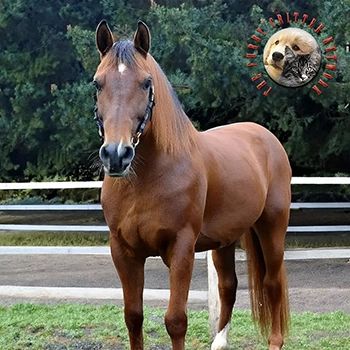
Skin and coat condition provide a visible window into the horse's overall health. A healthy adult Cleveland Bay should carry a sleek, gleaming bay coat that darkens to near black at the points. A dull, dry, or patchy coat may indicate nutritional deficiencies, internal parasites, hormonal imbalances, or other systemic issues. Regular grooming not only maintains coat quality but provides an opportunity to inspect for cuts, lumps, swelling, skin conditions, or ticks that might otherwise go unnoticed.

Eye health, respiratory function, and cardiovascular fitness should all be monitored informally through daily observation and formally during veterinary wellness visits. Note any changes in the horse's resting respiratory rate, exercise tolerance, eye clarity, or nasal discharge. Cleveland Bays are generally hardy and free from many of the breed-specific health concerns that affect other breeds, but this general robustness does not eliminate the need for vigilant preventive care.

Behavioral Maturity

The adult Cleveland Bay typically settles into a remarkably steady and cooperative temperament that makes it a pleasure to handle and work with. The breed's intelligence, combined with its willingness to please, produces a horse that learns quickly and retains its training well. By the time a Cleveland Bay reaches full behavioral maturity, usually around seven to eight years of age, its character is well established and owners can expect a reliable, consistent partner.

Despite their generally calm nature, adult Cleveland Bays remain mentally active and engaged. They benefit from variety in their work and living conditions, and horses that perform the same routine day after day may become bored and develop unwanted behaviors such as weaving, cribbing, or general dullness under saddle. Incorporating different activities, routes, and challenges into the horse's weekly routine keeps its mind sharp and its attitude enthusiastic.

The adult Cleveland Bay's relationship with its handler deepens over time, and many owners describe an almost intuitive connection with their horses. The breed tends to be particularly responsive to calm, consistent riders and handlers, while reacting poorly to harsh or unpredictable treatment. Maintaining that trust through fair, patient interaction is not just ethically important but practically essential, as a Cleveland Bay that loses trust in its handler can become stubborn and withdrawn.

Social needs do not diminish in adulthood. The Cleveland Bay, like all horses, is a herd animal that requires the companionship of other equines for optimal mental health. Even a horse that is the only one on a property benefits from visual contact with neighboring horses or the company of other animals such as goats or donkeys. Isolation can lead to anxiety, vocalization, and stress-related health problems that are entirely preventable through thoughtful management.

Hoof & Grooming Care

The Cleveland Bay is traditionally prized for the quality of its hooves, which are characteristically hard, dense, and blue-black in color. This natural advantage does not, however, exempt the breed from the need for diligent hoof care. Daily hoof picking removes debris and allows inspection for signs of thrush, abscesses, cracks, or foreign objects. The condition of the sole, frog, and hoof wall provides daily feedback about the horse's overall health and the effectiveness of its current management.

Farrier visits should occur on a regular cycle, typically every six to eight weeks, regardless of whether the horse is shod or barefoot. Many Cleveland Bays perform well without shoes, particularly those in lighter work on forgiving footing, though horses working regularly on hard surfaces, roads, or challenging terrain may benefit from shoeing. The decision should be made in consultation with a knowledgeable farrier who understands the breed's hoof characteristics and the horse's specific workload.

Grooming the adult Cleveland Bay serves both practical and relational purposes. A thorough grooming session removes dirt, distributes natural oils, stimulates circulation, and provides a full-body check for injuries or abnormalities. The breed's solid bay coat, free of white markings except for an occasional small star, is relatively easy to maintain but benefits from regular attention. During shedding season, a rubber curry comb or shedding blade helps remove the winter coat efficiently.

Bathing should be reserved for occasions when it is genuinely needed, such as after heavy exercise in hot weather or before a show or event. Excessive bathing strips natural oils from the coat and skin, leading to dryness and irritation. When bathing is necessary, use an equine-specific shampoo and rinse thoroughly. Pay particular attention to drying the heels and pasterns, as retained moisture in these areas can predispose the horse to skin infections, particularly during wet seasons.

Always consult a qualified professional before making any health-related decisions. This content is provided for informational reference only and should not replace professional guidance specific to your animal.