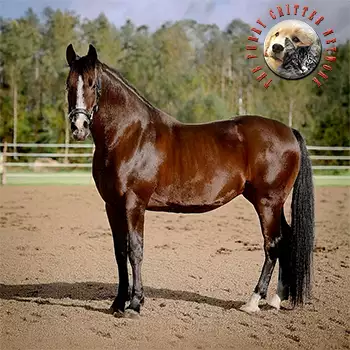

Dutch Warmbloods are intelligent, curious horses that were selectively bred for trainability and responsiveness. Those same cognitive qualities that make them exceptional sport horses also mean they are more susceptible to boredom and the stereotypic behaviors that accompany it. Cribbing, weaving, stall walking, and wood chewing are all indicators that a horse's mental and behavioral needs are not being adequately met, and Dutch Warmbloods in heavy stall confinement are particularly at risk.
The foundation of any enrichment strategy is adequate turnout. No toy or gadget replaces the behavioral benefits of time spent in a pasture or paddock where the horse can graze, socialize, and move freely. Enrichment products are most effective when they supplement a lifestyle that already includes regular turnout, social contact with other horses, and a varied training routine — not when they serve as a substitute for those essentials.
Understanding the individual horse's personality is key to selecting effective enrichment. Some Dutch Warmbloods are highly food-motivated and respond best to treat-dispensing products, while others are more play-oriented and prefer items they can push, toss, or manipulate. Observing how your horse interacts with objects in its environment — does it mouth things, paw at them, push them with its nose — provides valuable clues about which enrichment strategies will be most engaging.
Rotation is critical to maintaining interest. Even the most engaging toy becomes boring if it is present every day for weeks on end. Keeping a small collection of enrichment items and cycling through them on a weekly or biweekly basis maintains the novelty factor that drives engagement.