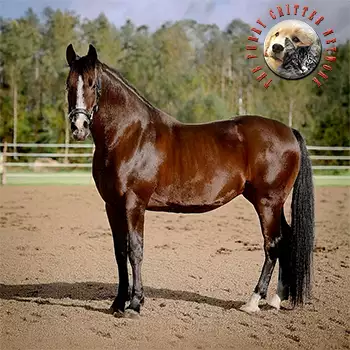

Equine activity monitors have evolved from simple step counters into sophisticated wearable sensors capable of tracking movement patterns, rest behavior, heart rate, and respiratory metrics. For Dutch Warmblood owners, these devices provide objective data on the horse's daily activity levels, recovery patterns, and overall fitness trajectory — information that is especially valuable for managing the training load of a competition horse.
Most equine activity monitors attach to a halter, leg band, or surcingle and use accelerometer and gyroscope technology to capture movement data. The accompanying smartphone or web application translates this raw data into meaningful metrics such as total daily movement, time spent lying down, time spent eating, and deviations from established behavioral patterns. A horse that suddenly reduces its lying time or increases restless behavior may be experiencing early signs of discomfort that would not yet be visible to the eye.
Heart rate monitors designed for horses typically use a sensor electrode system integrated into a girth or surcingle. During training, continuous heart rate data allows the rider or trainer to assess effort levels, identify the onset of fatigue, and structure interval training based on recovery rates rather than subjective impressions. For Dutch Warmbloods in dressage, tracking heart rate responses to specific movements or exercises over time provides insight into how the horse's cardiovascular fitness is progressing.
The real value of health monitoring technology lies in longitudinal trend analysis rather than any single data point. A daily resting heart rate that gradually increases over weeks may signal developing illness, pain, or overtraining before clinical symptoms appear. An activity pattern that shifts significantly from the horse's established baseline warrants investigation even if the horse appears normal during handling. These devices do not replace veterinary assessment, but they provide the early warning signals that prompt timely intervention.