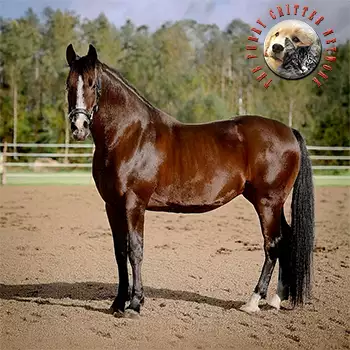

The Dutch Warmblood is a sport horse through and through, bred for athletic performance across disciplines like dressage, show jumping, and eventing. That athletic foundation means their nutritional demands are considerably higher than those of a pasture-kept pleasure horse. A mature Dutch Warmblood in moderate to heavy work may require between 20,000 and 30,000 calories per day, depending on workload intensity, body condition, and environmental factors like temperature and turnout time.
Forage should form the foundation of every Dutch Warmblood's diet, ideally making up at least 1.5 to 2 percent of the horse's body weight per day in dry matter. High-quality grass hay or a grass-alfalfa mix provides the fiber necessary for healthy hindgut function while delivering a steady supply of calories and nutrients. Horses in heavier work often benefit from a slightly higher proportion of alfalfa, which adds protein and calcium without requiring excessive grain intake.
Beyond forage, the concentrate portion of the diet needs to match the horse's workload and metabolic profile. Dutch Warmbloods tend to be easy keepers relative to some Thoroughbred-influenced sport horses, but individuals vary. Younger horses still developing muscle and bone, broodmares in late gestation, and competition horses at peak training all have elevated requirements for protein, fat, vitamins, and minerals that forage alone rarely satisfies.
Water intake is another critical consideration that often gets overlooked when discussing nutrition. A Dutch Warmblood in work can drink between 10 and 15 gallons per day, and electrolyte losses during exercise or hot weather can push that requirement even higher. Ensuring constant access to clean, fresh water and providing electrolyte supplementation during periods of heavy sweating are simple steps that have an outsized impact on performance and recovery.