
Nutritional Needs

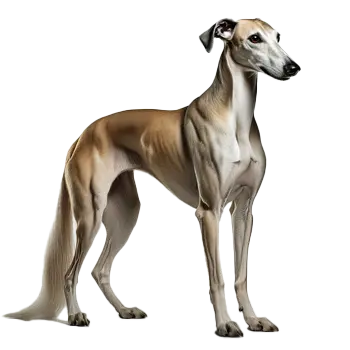
The Sloughi is a lean, athletic sighthound built for speed and endurance across desert terrain. This physiology demands a diet that prioritizes high-quality animal protein and moderate fat levels to maintain the breed's characteristic slim but muscular frame. Unlike bulkier breeds, the Sloughi carries very little body fat, so caloric intake must be carefully balanced to prevent both underweight and overweight conditions.

Because Sloughis have a relatively fast metabolism during their active periods yet tend to be calm and energy-conserving at rest, their dietary needs can fluctuate more than many owners expect. A working or actively exercised Sloughi may need significantly more calories than one leading a quieter household life. Monitoring body condition score regularly is essential, as even small weight changes are visible on the breed's narrow frame.

Sloughis can be prone to food sensitivities, and many owners report that the breed does best on simple, limited-ingredient diets. Their digestive systems tend to favor easily digestible proteins and moderate fiber content. Grain-inclusive or grain-free formulas can both work well, but the key is consistency and quality of the protein source rather than following broad dietary trends.

Hydration is another important consideration. Sloughis originating from arid climates are generally efficient with water, but domesticated dogs in varied climates should always have fresh water available, especially when fed dry kibble exclusively. Adding moisture through wet food or hydrated toppers can support digestion and overall kidney health.

What to Look For

When selecting food for a Sloughi, the first ingredient should always be a named animal protein such as chicken, lamb, venison, or fish. Avoid products that list vague terms like "meat meal" or "animal by-products" without specifying the source. The Sloughi's lean build depends on high-quality protein for muscle maintenance, so this is not a breed where you want to cut corners on ingredient quality.

Fat content should sit in a moderate range, typically between 12 and 18 percent for adult dogs. Too little fat can leave the coat dull and the dog lacking energy, while too much can lead to digestive upset or unwanted weight gain that stresses the breed's slender joints. Look for named fat sources like chicken fat or salmon oil rather than generic animal fat.

Carbohydrate sources matter as well. Easily digestible options like sweet potato, brown rice, or oats tend to agree with the Sloughi's stomach better than corn or wheat fillers. The overall carbohydrate content should be moderate, providing sustained energy without spiking blood sugar. Check the guaranteed analysis panel and compare across brands to find formulas that align with these ratios.

Artificial preservatives, colors, and flavors have no place in a Sloughi's diet. The breed's sensitivity to additives means that cleaner formulas with natural preservatives like mixed tocopherols or rosemary extract are generally better tolerated. If your dog shows signs of itching, digestive irregularity, or coat changes after switching foods, the additive profile is one of the first things to investigate.

Recommended Dry Food

Dry kibble remains the most practical everyday feeding option for Sloughis, offering convenience, dental benefits, and consistent nutrition. Look for formulas marketed toward active or athletic breeds, as these tend to have the protein-to-fat ratios that suit the Sloughi's metabolism. Avoid formulas designed for large-breed weight management, as these are typically too low in calories and protein for a sighthound.

Kibble size matters for this breed. Sloughis have relatively narrow muzzles and may struggle with oversized kibble designed for broad-jawed breeds. Medium-sized kibble or formulas designed for medium breeds tend to be the most comfortable fit. Some owners find that their Sloughi prefers slightly smaller kibble that can be chewed quickly, which aligns with the breed's tendency to eat efficiently rather than leisurely.

Rotating between two or three compatible dry food formulas can help prevent the development of food sensitivities while keeping your Sloughi interested in meals. When rotating, transition gradually over five to seven days by mixing increasing amounts of the new food with the old. Sudden switches are more likely to cause digestive upset in this breed than in hardier stomached dogs.

Store dry food in an airtight container away from heat and sunlight to preserve nutrient integrity. Kibble that has been exposed to air for extended periods can develop rancid fats, which are not only less nutritious but can cause stomach issues. Buy bags sized to be consumed within four to six weeks of opening.

Wet & Fresh Options

Wet food can be an excellent addition to a Sloughi's diet, either as a topper to enhance kibble palatability or as a standalone meal. The higher moisture content supports hydration and can be particularly beneficial for Sloughis that are reluctant drinkers. Look for wet foods with the same quality standards as dry food — named protein first, minimal fillers, and no artificial additives.

Fresh and refrigerated dog food options have become increasingly popular, and the Sloughi is a breed that often thrives on them. These minimally processed foods tend to have higher digestibility and better nutrient absorption than heavily processed alternatives. The trade-off is cost and shelf life, so many owners use fresh food as a rotational option rather than a daily staple.

Raw feeding is a topic that generates strong opinions in the Sloughi community. Some owners and breeders swear by raw diets for maintaining the breed's lean muscle and glossy coat, while veterinary organizations generally recommend caution due to bacterial contamination risks. If you choose to explore raw feeding, work closely with a veterinary nutritionist to ensure the diet is complete and balanced, as deficiencies can develop quickly in a breed with such low body fat reserves.

Regardless of the format, portion control is critical with wet and fresh foods because they are often more calorie-dense per volume than kibble. Use a kitchen scale rather than eyeballing portions, and adjust quantities based on your Sloughi's activity level and body condition. Overfeeding wet food is one of the most common mistakes owners make when transitioning from dry food.

Treats & Supplements

Treats should be chosen with the same care as primary food for a Sloughi. Single-ingredient treats like freeze-dried liver, dehydrated sweet potato, or plain jerky strips are ideal because they minimize the risk of triggering sensitivities. Avoid treats with long ingredient lists, artificial colors, or added sugars, as these can cause digestive upset and contribute to dental problems.

Joint supplements containing glucosamine and chondroitin can benefit Sloughis, particularly as they age. The breed's athletic lifestyle and lean frame put consistent stress on joints, and early supplementation may help maintain mobility into the senior years. Fish oil supplements rich in omega-3 fatty acids are another worthwhile addition, supporting coat health, reducing inflammation, and promoting cardiovascular function.

Probiotics and digestive enzymes can be helpful for Sloughis with sensitive stomachs. These supplements support a healthy gut microbiome and can reduce gas, loose stools, and other signs of digestive inefficiency. Powdered or capsule forms that can be mixed into food are generally easier to administer than chewable tablets, which some Sloughis will refuse.

Always account for treat calories in your Sloughi's daily intake. Treats should make up no more than ten percent of total calories. For a breed that maintains such a lean body condition, even small caloric overages from treats can accumulate over time. Training treats should be broken into the smallest effective size — Sloughis respond to the act of receiving a reward, not its volume.

Foods to Avoid

The standard list of toxic foods applies to Sloughis with particular urgency due to their low body weight relative to size. Chocolate, grapes, raisins, onions, garlic, xylitol, and macadamia nuts are all dangerous and potentially fatal. Because Sloughis carry less body mass than similarly sized breeds, toxic thresholds are reached at lower quantities, making even small exposures more serious.

Beyond outright toxins, Sloughis tend to react poorly to heavily processed foods with high sodium content. Table scraps, processed meats, and salty snacks can cause excessive thirst, digestive distress, and in severe cases, sodium ion poisoning. The breed's lean physiology means there is less tissue to buffer against dietary insults, so erring on the side of caution is always wise.

Dairy products are another category to approach carefully. While some Sloughis tolerate small amounts of plain yogurt or cottage cheese, many are lactose intolerant to varying degrees. Signs of dairy sensitivity include gas, bloating, and loose stools. If you want to use dairy as an occasional treat or food topper, introduce it in very small quantities and observe your dog's response over 24 to 48 hours.

Cooked bones should never be given to Sloughis. The breed's enthusiastic chewing style combined with their narrow jaw structure creates a heightened risk of splintered bone fragments causing oral injuries or intestinal blockages. Raw bones are safer from a splintering standpoint but still carry bacterial risks and should only be offered under supervision with appropriately sized pieces.

Feeding Schedule

Adult Sloughis generally do best on two meals per day, spaced roughly twelve hours apart. This schedule aligns with the breed's natural tendency toward a moderate metabolism and helps maintain stable blood sugar levels throughout the day. Feeding once daily can lead to gorging and subsequent digestive discomfort, which is particularly problematic for deep-chested breeds prone to bloat.

Puppies under six months should be fed three to four times daily to support their rapid growth and high energy demands. Between six and twelve months, transition to three meals per day, then settle into the adult twice-daily schedule. Sloughi puppies grow quickly but should not be overfed, as excess weight during development can stress growing joints and bones.

Timing meals around exercise is important for Sloughis. Avoid feeding within one hour before or after vigorous activity, as this can increase the risk of gastric torsion, a life-threatening condition. The breed's deep, narrow chest makes it anatomically more susceptible to bloat than barrel-chested breeds, so meal timing and portion management are genuine safety concerns, not just preferences.

Senior Sloughis may benefit from a slight reduction in portion size as their activity level decreases, but protein levels should remain high to prevent muscle wasting. Some older dogs do better with slightly more frequent, smaller meals if they show signs of reduced appetite or digestive slowing. Monitor weight and body condition monthly and adjust portions incrementally rather than making dramatic changes.

Always consult a qualified professional before making any health-related decisions. This content is provided for informational reference only and should not replace professional guidance specific to your animal.