
Space Requirements

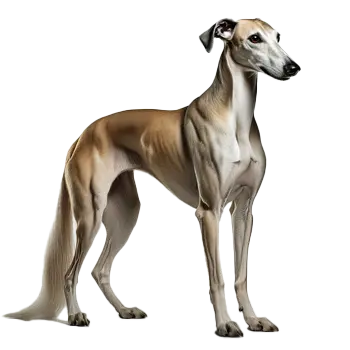
The Sloughi is a medium-large sighthound that needs more indoor space than its calm demeanor might suggest. While they are famously quiet and composed inside the home, their long legs and deep chest mean they take up considerable room when stretched out. A Sloughi at rest often lies fully extended on its side, occupying as much floor space as a much heavier breed. Plan for a dedicated resting area that accommodates this sprawling posture.

Outdoor space is where the Sloughi's needs become more demanding. This breed was built to run at high speed across open terrain, and a small backyard will not satisfy its exercise requirements. Ideally, Sloughis should have access to a securely fenced area where they can sprint freely. The fencing itself is a critical consideration — these dogs can clear surprisingly tall barriers when motivated, so a minimum fence height of six feet is recommended, with no gaps or footholds that could facilitate climbing.

Apartment living is possible with a Sloughi, but only if the owner is committed to providing daily off-leash running opportunities at a secure location. Without adequate space to run, the breed can develop anxiety and restlessness that manifests as destructive behavior or withdrawal. The Sloughi's quiet indoor presence can be misleading — the calmness depends entirely on having had sufficient physical outlet.

When evaluating your home's suitability, also consider the Sloughi's sensitivity to noise and household chaos. These dogs prefer a peaceful environment and can become stressed in homes with constant commotion. A quiet corner or dedicated room where the dog can retreat from stimulation is not a luxury for this breed but a genuine welfare consideration.

Crates & Kennels

Crate training is valuable for Sloughis, particularly during puppyhood and for travel, but the crate must be sized appropriately for their unique build. Standard crate sizing charts based on weight can be misleading for sighthounds — a Sloughi needs a crate long enough to accommodate its full body length when lying stretched out, which often means going up a size from what the weight chart suggests. Look for crates at least 42 inches long for an adult Sloughi, and test by ensuring the dog can stand, turn around, and lie flat without contact with the walls.

Wire crates are generally preferred over solid plastic kennels for home use because they provide better airflow and visibility, both of which help reduce anxiety in a breed that bonds closely with its family. The open design allows the Sloughi to see its surroundings and feel less confined. However, for travel, an airline-approved hard-sided kennel offers better protection and security.

Padding inside the crate is essential for Sloughis. Their thin skin and minimal body fat mean that lying on a bare crate floor can cause pressure sores, calluses, and general discomfort. A thick, machine-washable crate pad or folded blankets should always line the bottom. Some owners add bolster-style inserts around the edges for additional cushioning and a sense of enclosure that many Sloughis find comforting.

Never use a crate as punishment or extended confinement for a Sloughi. The breed's sensitive temperament means that negative associations with the crate can develop quickly and are difficult to reverse. Crate time should be limited to reasonable intervals — no more than four to five hours for adults, and shorter periods for puppies — with the crate serving as a safe, voluntary retreat rather than a containment device.

Beds & Sleeping Areas

Bed selection is arguably more important for Sloughis than for most other breeds. Their extremely low body fat percentage and thin skin mean they are highly susceptible to pressure sores, calluses, and general discomfort on hard or insufficiently padded surfaces. Orthopedic beds with memory foam or high-density support foam are the best options, providing the cushioning that their bony frames demand. Avoid thin, flat beds that compress under the dog's weight.

Elevated or cot-style beds are another excellent option for Sloughis, particularly in warmer climates. These beds keep the dog off the floor, allowing air to circulate underneath and preventing overheating. Many Sloughis naturally prefer elevated surfaces and will gravitate toward couches and chairs if no suitable bed is provided. An elevated bed gives them the raised resting position they prefer without putting your furniture at risk.

Size the bed for a fully stretched Sloughi, which means looking at beds designed for large or extra-large breeds even though the dog's weight falls in the medium range. A bed that forces the Sloughi to curl up rather than stretch out will likely be abandoned in favor of whatever flat surface allows full extension. Rectangular beds are generally more practical than round or oval options for this reason.

Most Sloughis appreciate having multiple bed options throughout the home so they can follow the household's activity while maintaining access to a comfortable resting spot. A bed in the main living area, one in the bedroom, and one in a quieter retreat space is a common and effective arrangement. Washable covers are a practical necessity, as the Sloughi's short coat sheds moderately and the beds will need regular cleaning.

Outdoor Enclosures

Outdoor enclosures for Sloughis must prioritize two things above all else: height and security. This breed possesses exceptional jumping ability and a strong prey drive that can override training when a squirrel, rabbit, or cat appears beyond the fence line. Standard four-foot residential fencing is entirely inadequate. Six feet is the minimum recommendation, and many experienced Sloughi owners opt for even taller barriers or add coyote rollers to the top to prevent escape.

The fencing material matters as much as the height. Chain-link provides good visibility but can be climbed by a determined Sloughi. Solid wood or vinyl privacy fencing prevents the dog from seeing potential prey outside the yard, which significantly reduces fence-testing behavior. If chain-link is the only option, adding privacy slats or reed screening to the lower portion can help reduce visual stimulation while maintaining airflow.

Gate security is a frequently overlooked vulnerability. Sloughis are quick enough to slip through a gate that is open for only seconds, so self-closing hardware and secure latches are essential. Double-gate systems, where an outer gate creates a small buffer zone before the main yard gate, offer the highest level of security for breeds with strong escape tendencies.

Provide shade structures and sheltered areas within any outdoor enclosure. Sloughis have minimal coat insulation and are vulnerable to both sunburn and cold. A covered patio area, shade sail, or insulated dog house gives the dog options for regulating its temperature while outdoors. However, Sloughis should never be left outside for extended periods unsupervised — they are indoor dogs that benefit from outdoor access, not outdoor dogs that come inside occasionally.

Climate Considerations

The Sloughi's thin, close-fitting coat provides almost no insulation, making climate management one of the most important aspects of housing this breed. In cold weather, Sloughis chill quickly and can become genuinely uncomfortable at temperatures that barely register for double-coated breeds. Indoor heating should maintain the home at a temperature comfortable for the dog, and drafty areas near doors and windows should be avoided when placing beds and resting areas.

Dog coats, sweaters, and pajamas are not optional fashion accessories for Sloughis in cooler climates — they are functional necessities. Indoor fleece coats for chilly evenings and insulated, waterproof outer layers for winter walks are standard equipment for responsible Sloughi owners in temperate and cold regions. The breed readily accepts clothing once introduced properly, and most owners report that their Sloughis actively seek out their coats when cold.

Heat presents different but equally serious challenges. While the Sloughi's desert heritage provides some heat tolerance, domesticated dogs living in humid climates can struggle with temperature regulation. Ensure access to cool, shaded areas and fresh water at all times during warm months. Cooling mats, elevated beds with airflow, and fans can all help manage indoor temperatures during summer. Avoid exercising during the hottest parts of the day.

Humidity can compound both heat and cold stress for Sloughis. Damp, cold conditions are particularly miserable for a breed with no undercoat, and humid heat impairs their ability to cool through panting. If you live in a climate with significant humidity, climate-controlled indoor spaces become even more important, and outdoor time should be adjusted based on both temperature and humidity levels.

Multi-Pet Households

Sloughis can coexist peacefully with other dogs, but introductions and living arrangements require thoughtful planning. The breed tends to be reserved with unfamiliar dogs and can be selective about its companions. Pairing a Sloughi with another sighthound breed often works well, as the play styles and energy patterns are compatible. Introductions should always happen on neutral territory and be allowed to progress gradually rather than forcing immediate cohabitation.

The prey drive issue is critical in multi-pet households that include cats, rabbits, ferrets, or other small animals. While some Sloughis can learn to coexist with household cats they were raised with, the instinct to chase small, fast-moving animals is deeply ingrained in the breed. Physical separation — baby gates, separate rooms, and controlled access — should be maintained unless the individual dog has demonstrated completely reliable behavior around small pets over an extended period. Even then, unsupervised access is risky.

Resource guarding can surface in multi-dog households, particularly around beds and resting areas. Sloughis are comfort-oriented dogs that take their sleeping spots seriously, and competition for the best bed can create tension. Providing each dog with its own dedicated bed and feeding station eliminates the most common friction points. Feeding dogs in separate areas or on staggered schedules prevents food-related conflicts.

When setting up a multi-pet household, ensure the Sloughi has access to a retreat space where it can be alone. The breed's sensitivity to social pressure means it may become stressed in an environment where interaction with other animals is constant and unavoidable. A room or gated area that serves as the Sloughi's private space is an important part of maintaining household harmony and the dog's mental wellbeing.

Always consult a qualified professional before making any health-related decisions. This content is provided for informational reference only and should not replace professional guidance specific to your animal.