
Play Style & Drive

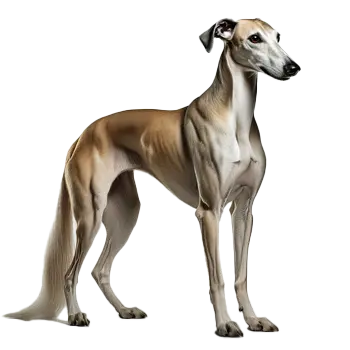
The Sloughi's play style is unlike that of most popular companion breeds. Rather than engaging in sustained, high-energy play sessions, Sloughis tend to play in intense but brief bursts followed by extended periods of rest. This mirrors their hunting heritage — explosive acceleration to chase prey, followed by long stretches of conserving energy. Understanding this pattern is essential for selecting toys that match the breed's natural rhythm rather than fighting against it.

Prey drive is the dominant motivator in Sloughi play. These dogs are sight-driven hunters, meaning they are most excited by objects that move quickly, change direction, and simulate the erratic movement of small animals. Stationary toys hold little appeal for most Sloughis unless they involve food. The ideal toy for this breed is something that moves unpredictably and can be chased at speed in a safe, enclosed space.

Social play between Sloughis and their owners tends to be more restrained than with breeds known for exuberant interaction. Many Sloughis will engage in a brief game of chase or tug but then signal they are finished by walking away or lying down. This is not a sign of disinterest — it is simply the breed's style. Forcing extended play sessions can actually stress a Sloughi rather than entertain it. Follow the dog's cues and keep play sessions short, positive, and voluntary.

It is worth noting that some individual Sloughis show very little interest in toys at all, preferring human companionship and physical closeness over object-based play. This is a normal variation within the breed and should not be a cause for concern as long as the dog is getting adequate physical exercise through running and mental stimulation through other means.

Interactive & Puzzle Toys

Puzzle toys and food-dispensing toys are among the most effective enrichment options for Sloughis because they engage the dog's problem-solving instincts without requiring the sustained physical play that the breed often resists. Start with simpler puzzle designs that reward the dog quickly — Sloughis can lose interest in overly complex puzzles if the payoff takes too long to achieve. Treat-dispensing balls and basic slider puzzles are excellent entry points.

Snuffle mats and foraging toys tap into the Sloughi's natural scavenging behavior and provide excellent mental stimulation with minimal physical demand. Scattering kibble or small treats across a textured mat encourages the dog to use its nose and work methodically through the surface, which can be both calming and engaging. These are particularly useful on rainy days or during recovery from exercise.

Lick mats spread with a thin layer of dog-safe peanut butter, plain yogurt, or wet food offer a different kind of enrichment that many Sloughis enjoy. The repetitive licking action has a calming effect and can help reduce anxiety in a breed prone to stress. Freezing the mat before offering it extends the activity and adds an additional challenge. These work well as a crate enrichment tool or a distraction during grooming.

Rotate puzzle toys regularly to prevent boredom. Sloughis are intelligent dogs that can solve the same puzzle quickly once they have learned the mechanism, reducing its enrichment value. Keep three or four puzzle toys in rotation, introducing each one for a few days before swapping it out. This approach maintains novelty without requiring a constant investment in new products.

Chew Toys & Durability

Sloughis are not aggressive chewers compared to breeds like terriers or working dogs, but they still benefit from appropriate chew options. Their chewing style tends to be more deliberate and gentle, which means ultra-durable toys designed for power chewers are often unnecessary and may actually be too hard for the Sloughi's teeth and jaw structure. Medium-durability rubber toys and natural chews strike the best balance.

Natural chew products such as bully sticks, tendons, and dried fish skins are generally well-received by Sloughis. These satisfy the chewing instinct while also providing a high-value reward that keeps the dog occupied. Always select chews sized appropriately for the breed — pieces small enough to be swallowed whole are a choking hazard, while oversized items can cause jaw fatigue. Supervise all chewing sessions and discard pieces that have been reduced to swallowable fragments.

Rubber chew toys with hollow centers that can be stuffed with food combine the benefits of chewing and puzzle-solving. Filling the cavity with a mixture of kibble and wet food, then freezing it, creates a long-lasting enrichment activity that most Sloughis find genuinely engaging. These toys are also useful for redirecting any inappropriate chewing that may arise from boredom or anxiety.

Avoid giving Sloughis cooked bones, antlers, or extremely hard nylon chews. The breed's jaw structure is not built for crushing hard materials, and these products carry a significant risk of dental fractures. If you notice any chips, cracks, or excessive wear on the toy surface, replace it immediately. A good rule of thumb is that if you cannot dent the toy with your thumbnail, it is probably too hard for a Sloughi.

Fetch & Outdoor Toys

Fetch can be an excellent activity for Sloughis when adapted to the breed's chase-driven instincts, but do not expect the retriever-style game of endless repetition. A Sloughi will typically sprint after a thrown object with impressive speed and enthusiasm, but the return portion of the game is often less reliable. Many Sloughis will catch or reach the toy and then stand over it rather than bringing it back. Using two toys and alternating throws can work around this tendency.

Flirt poles are arguably the single most effective outdoor toy for Sloughis. These long poles with a lure attached to a line simulate the erratic movement of prey and trigger the breed's chase instinct powerfully. A few minutes with a flirt pole can provide the same physical and mental stimulation as a much longer walk. Keep sessions short to prevent joint strain, and always let the dog catch the lure periodically to avoid frustration.

Ball launchers that send balls long distances are popular with Sloughi owners because they allow the dog to run at full speed in a controlled setting. Choose balls large enough that the dog cannot swallow them, and avoid hard rubber balls that could damage teeth on a high-speed catch. Softer, slightly oversized balls are safer for sighthound mouths. Use these tools only in fully enclosed areas, as a Sloughi in full chase mode will not respond to recall commands.

Frisbees and disc toys can work for some Sloughis, but the breed's body structure is not ideal for the jumping and twisting involved in disc catching. Low throws that keep the dog running horizontally rather than leaping vertically are safer and more natural for a sighthound frame. If your Sloughi shows no interest in discs, do not force the activity — the breed's preference for ground-level chasing is natural and should be respected.

Comfort & Companion Toys

Many Sloughis develop strong attachments to specific soft toys, carrying them around the house, sleeping with them, and guarding them gently. This behavior is charming and should be encouraged, as it provides emotional comfort for a breed that can be prone to anxiety. Select plush toys that are large enough to prevent accidental ingestion of stuffing and sturdy enough to withstand gentle mouthing without immediately losing seams.

Stuffing-free plush toys are a practical option for Sloughis that do occasionally tear into their soft toys. These flat or minimally stuffed toys satisfy the desire for a soft companion object without the mess and health risk of scattered polyfill. Many come with squeakers embedded in a reinforced pocket, adding an element of auditory stimulation that some Sloughis enjoy.

Blankets and soft fabric items can serve a similar comfort function as plush toys for Sloughis. The breed's affinity for soft, warm surfaces extends to movable fabric items that they can bunch up, nest in, or carry. Some owners dedicate a specific small blanket as a comfort object for their Sloughi, which can also serve as a familiar scent anchor when traveling or in unfamiliar environments.

Be mindful of toy safety with any comfort items. Regularly inspect soft toys for loose eyes, detached noses, torn seams, or exposed squeaker mechanisms. A Sloughi that has been gently mouthing the same toy for months may eventually work open a seam, creating a sudden choking hazard. Replace well-worn comfort toys with similar items — keeping the same general shape and texture helps the transition — before they reach a dangerous state of deterioration.

DIY & Budget Options

Some of the most effective enrichment for Sloughis requires no commercial products at all. A simple game of chase in a fenced yard, with the owner running and changing direction unpredictably, taps directly into the breed's prey-drive wiring and strengthens the bond between dog and handler. This costs nothing and is often more engaging for the Sloughi than any purchased toy.

Homemade puzzle feeders can be constructed from items already in most households. A muffin tin with kibble hidden under tennis balls, a towel rolled up with treats tucked inside, or a cardboard box filled with crumpled paper and scattered food all provide legitimate mental enrichment. These DIY options have the added advantage of being infinitely variable, which prevents the repetition fatigue that can set in with commercial puzzle toys.

Old t-shirts braided into tug toys, knotted socks with a ball inside, or fleece strips tied together make serviceable comfort and play objects for Sloughis. The familiar scent of household fabric can actually make these items more appealing than store-bought alternatives. Ensure all DIY toys are constructed from materials free of buttons, zippers, or small decorative elements that could be ingested.

Cardboard boxes and paper bags offer surprisingly effective enrichment for Sloughis. Placing treats inside a series of nested boxes or crumpled paper bags encourages problem-solving and provides sensory stimulation through sound and texture. These are single-use enrichment items that can be recycled after the session, making them both budget-friendly and environmentally practical. Always remove any tape, staples, or plastic elements before offering cardboard items to your dog.

Always consult a qualified professional before making any health-related decisions. This content is provided for informational reference only and should not replace professional guidance specific to your animal.