
Collars, Harnesses & Leashes

The Pumi's medium build and energetic walking style make proper collar and leash selection important for both safety and comfort. A flat buckle or snap-release collar in nylon or leather works well for everyday identification purposes, carrying tags, and casual leash attachment. Measure your Pumi's neck and allow room for two fingers between the collar and skin to ensure a snug but comfortable fit. The breed's curly coat can obscure a collar that has become too tight, so check the fit regularly as the coat grows.

Harnesses are the preferred walking equipment for most Pumi owners, particularly for dogs that pull on leash or are in training. A front-clip harness redirects pulling energy by steering the dog's chest toward the handler, which is more effective and less aversive than a collar pulling against the throat. Back-clip harnesses are comfortable for well-trained dogs that walk politely but can actually encourage pulling in dogs that have not yet learned loose-leash manners.

Leash length and material depend on context. A standard six-foot leash in nylon or leather provides enough freedom for neighborhood walks while maintaining control. For training sessions or crowded environments, a four-foot leash offers tighter handling. Long lines of 15 to 30 feet are invaluable for recall training and give the Pumi room to explore while remaining safely tethered. Retractable leashes are generally not recommended for this breed, as they provide inconsistent tension, can malfunction, and teach the dog that pulling is rewarded with more distance.

For Pumis involved in agility, hiking, or other active pursuits, consider a sport-style harness designed for freedom of movement. These harnesses sit further back on the body, avoid restricting the shoulder joint, and distribute force across the chest and ribcage during sudden stops or directional changes. Padded chest panels and adjustable straps ensure a custom fit that moves with the dog rather than against it.

Grooming Tools

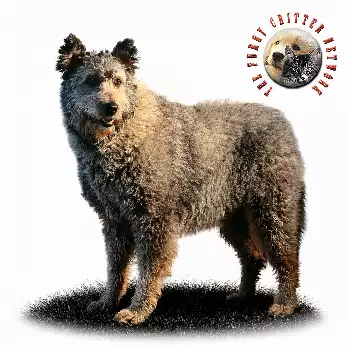
The Pumi's coat is one of its most distinctive features and requires a specific grooming approach that differs from both smooth-coated and heavily-furred breeds. The coat is a combination of wavy and curly hair that forms corkscrew-like tufts when properly maintained. It does not shed heavily but will mat if neglected, so regular grooming is essential to keep the coat healthy and functional.

A wide-toothed metal comb is the primary grooming tool for the Pumi. Unlike many breeds, the Pumi's coat should not be brushed with a slicker brush or pin brush in the traditional sense, as this can break up the natural curl pattern and create a frizzy, uncharacteristic appearance. Instead, the coat is combed through to the skin to remove tangles and debris, then allowed to air dry after bathing so the curls reform naturally. Blow-drying disrupts the coat's texture and should be avoided unless absolutely necessary.

Bathing frequency for the Pumi is moderate, typically every three to four weeks depending on activity level and environmental exposure. Use a gentle, pH-balanced dog shampoo that cleans without stripping the coat's natural oils. Some owners find that a light conditioner or detangling spray applied before combing makes the process easier and reduces breakage. After bathing, squeeze excess water from the coat with a towel rather than rubbing vigorously, then allow the dog to air dry completely.

Nail trimmers, ear cleaning solution, and a canine toothbrush and toothpaste round out the essential grooming toolkit. The Pumi's nails should be trimmed every two to three weeks or whenever they begin to click on hard floors. Ear cleaning is important given the breed's semi-erect ears, which can trap moisture and debris. Daily or at minimum three-times-weekly tooth brushing helps prevent dental disease, which is a common issue across all small and medium dog breeds.

Bowls & Feeders

Food and water bowls seem straightforward, but the right choice can impact your Pumi's eating habits, hygiene, and even health. Stainless steel bowls are the gold standard for durability, ease of cleaning, and resistance to bacterial buildup. They do not crack, absorb odors, or leach chemicals, and they hold up to daily dishwasher cycles without degrading. Choose a bowl sized to hold a single meal comfortably without being so large that the dog has to stretch to reach food at the edges.

Ceramic bowls are an attractive alternative that adds weight and stability, which helps prevent the bowl from being pushed across the floor during enthusiastic eating. Look for ceramic bowls with a lead-free, food-safe glaze and inspect them regularly for chips or cracks where bacteria can harbor. Avoid plastic bowls entirely, as they scratch easily, harbor bacteria in those scratches, and can cause contact dermatitis or acne on the chin in sensitive dogs.

Slow-feeder bowls with ridges, mazes, or raised patterns are worth considering if your Pumi tends to eat too quickly. Rapid eating can cause choking, gagging, and increases the risk of bloat in susceptible dogs. Slow feeders extend meal times from seconds to several minutes, turning eating into a mild enrichment activity that also promotes better digestion. The Pumi's problem-solving nature means it may figure out shortcuts around simpler slow-feeder designs, so choose one with a complex enough pattern to remain effective.

Elevated bowl stands are sometimes recommended for medium and large breeds, though the evidence for their benefits is mixed. For the Pumi's size, floor-level feeding is generally appropriate. If you do use an elevated stand, ensure the height places the bowl at the dog's lower chest level to promote a natural eating posture. Non-slip mats placed under bowls help contain spills and prevent the bowl from migrating across the floor during meals.

Travel Gear

The Pumi's compact size and adaptable temperament make it a relatively easy travel companion, but proper gear ensures safety and comfort on the road. A crash-tested travel crate or carrier secured in the vehicle's cargo area or back seat is the safest way to transport your Pumi. Hard-sided carriers provide the best impact protection, while soft-sided carriers are lighter and easier to store but offer less structural security in the event of a collision.

Seat belt harnesses offer an alternative to crate travel for short trips and calm dogs. These harnesses attach to the vehicle's seat belt system and restrict the dog's movement to a safe zone within the back seat. Look for a crash-tested harness rated for your Pumi's weight, as many products marketed as seat belt tethers have never been subjected to impact testing and may fail when it matters most.

For air travel, familiarize yourself with airline-specific requirements well in advance of your trip. Most Pumis fit within the size limits for in-cabin travel, but carrier dimensions, ventilation requirements, and documentation vary by airline and can change with little notice. A soft-sided carrier that meets the most restrictive common dimensions will provide the broadest compatibility. Practice with the carrier at home for several weeks before travel so the dog associates it with comfort rather than confinement.

Travel accessories like collapsible water bowls, portable food containers, waste bag dispensers, and a dedicated travel first-aid kit round out the essentials. A packable travel bed or blanket that carries the scent of home can help your Pumi settle in unfamiliar hotel rooms or vacation rentals. Keep vaccination records, identification photos, and any required health certificates in a waterproof travel document folder accessible at all times during the trip.

Safety & ID

Identification is the single most important safety measure for any dog, and the Pumi's alertness and agility make secure identification even more critical. A microchip implanted by your veterinarian provides permanent, tamper-proof identification that cannot be lost, removed, or damaged. Ensure the microchip is registered with your current contact information and update it promptly whenever your phone number or address changes. A microchip without current registration is nearly useless.

External identification tags should be worn at all times the dog is outside the home. A durable metal tag engraved with the dog's name, your phone number, and your city provides immediate contact information to anyone who finds a lost dog. Consider a secondary tag with your veterinarian's number or a medical alert if the dog has conditions requiring urgent treatment. Silicone tag silencers prevent the noise of tags clinking together, which can be particularly welcome for a breed already prone to reacting to sounds.

Reflective and LED collar accessories significantly improve visibility during early morning, evening, or nighttime walks. The Pumi's dark coat options can make the dog nearly invisible to motorists in low-light conditions. Reflective collar bands, clip-on LED lights, and leashes with reflective stitching are inexpensive additions that dramatically reduce the risk of accidents. For owners who walk in rural or unlit areas, a high-visibility vest designed for dogs provides full-body reflective coverage.

Home safety measures include secure latches on gates and doors, window screens rated to resist a dog's weight, and management of household hazards like toxic plants, accessible medications, and small objects that could be swallowed. The Pumi's curiosity and problem-solving ability mean it can learn to open lever-style door handles, simple latches, and even some cabinet doors, so childproofing hardware may be necessary in homes with a particularly determined dog.

Seasonal Gear

Seasonal accessories help the Pumi stay comfortable and safe throughout the year. In winter, a well-fitted dog coat or jacket is useful for Pumis living in cold climates, particularly during extended outdoor activities in freezing temperatures. The coat should cover the chest and belly while allowing full range of motion in the legs and shoulders. Waterproof or water-resistant outer shells keep the dog dry during rain and snow, which is important because a wet Pumi coat loses much of its insulating capacity.

Paw protection is another winter essential. Road salt, de-icing chemicals, and ice can irritate or injure paw pads. Dog boots prevent direct contact with treated surfaces and provide traction on slippery terrain. Not every Pumi tolerates boots readily, so introduce them gradually with positive reinforcement. For dogs that refuse boots, a paw wax or balm applied before walks creates a protective barrier against salt and chemicals, and paws should be wiped clean after every outdoor excursion.

Summer gear focuses on cooling and sun protection. Cooling vests that are soaked in water and worn during outdoor activity use evaporative cooling to help regulate body temperature. Portable water bottles with attached bowls ensure hydration is always available during hikes, training sessions, and trips to the park. If your Pumi spends significant time outdoors in sunny weather, consider a lightweight UV-protective shirt to guard against sunburn on any thinly-coated areas.

Rainy season gear includes waterproof coats that keep the Pumi's dense, curly coat from becoming saturated during walks. A thoroughly soaked Pumi coat takes considerable time to dry and can develop an unpleasant odor if not dried properly. A quick-drying microfiber towel kept by the door for post-walk rubdowns and a waterproof mat in the entryway minimize the mess that accompanies a wet, energetic dog returning from an outdoor adventure.

Always consult a qualified professional before making any health-related decisions. This content is provided for informational reference only and should not replace professional guidance specific to your animal.