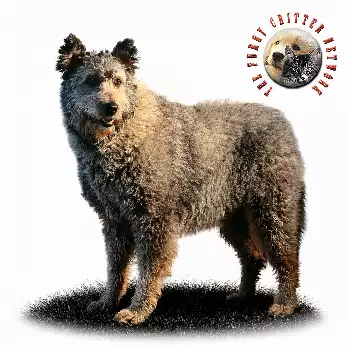

Nutritional Needs

The Pumi is a medium-sized herding breed with a high metabolism driven by constant mental and physical activity. Originally bred to work livestock on Hungarian farms, this breed burns calories at a rate that often surprises first-time owners. A healthy adult Pumi typically requires between 700 and 1,000 calories per day depending on activity level, age, and whether they are used for sport or companionship.

Protein should form the cornerstone of the Pumi's diet. As an athletic breed with lean muscle mass and a wiry coat, the Pumi benefits from animal-based protein sources that support both musculature and coat health. Look for foods where a named animal protein appears as the first ingredient, and aim for formulas that deliver at least 25 percent protein on a dry-matter basis.

Fat content is equally important for sustaining the Pumi's energy levels throughout the day. Healthy fats from sources like fish oil, flaxseed, and chicken fat provide concentrated energy and support skin and coat condition. A moderate fat content of around 12 to 18 percent works well for most adults, though highly active Pumis working in agility or herding trials may benefit from the higher end of that range.

Carbohydrates should come from digestible, whole-food sources rather than fillers. Sweet potatoes, brown rice, oats, and barley provide sustained energy without causing blood sugar spikes. The Pumi is not especially prone to food sensitivities, but avoiding corn, wheat, and soy as primary ingredients is a sensible baseline for any quality dog food.

What to Look For

When evaluating food options for a Pumi, start with the ingredient list. A named whole protein such as chicken, turkey, lamb, or salmon should appear first, followed by recognizable whole foods. Avoid products that list vague terms like "meat meal" or "animal by-products" without specifying the source, as these offer less transparency about what your dog is actually consuming.

The guaranteed analysis panel provides critical information about macronutrient ratios. For the Pumi, prioritize formulas with protein in the 25 to 32 percent range, fat between 12 and 18 percent, and fiber around 3 to 5 percent. These ranges support the breed's lean build and energetic lifestyle without promoting excessive weight gain during less active periods.

Life-stage appropriateness matters more than many owners realize. Puppy formulas for growing Pumis should emphasize DHA for brain development and calcium-to-phosphorus ratios that support proper skeletal growth. Adult maintenance formulas should sustain energy without overloading calories, while senior formulas should incorporate joint-supporting nutrients like glucosamine and chondroitin as the dog ages.

Look for foods that include omega-3 and omega-6 fatty acids, which are particularly beneficial for maintaining the Pumi's distinctive curly, wiry coat. A dull or brittle coat is often one of the first visible signs that a diet is lacking in essential fatty acids. Formulas fortified with fish oil or flaxseed can make a noticeable difference in coat texture and skin health.

Recommended Dry Food

Dry kibble remains the most practical and cost-effective daily feeding option for the Pumi. A high-quality kibble provides balanced nutrition, promotes dental health through mechanical chewing action, and stores easily without refrigeration. For this breed, look for small-to-medium bite kibble designed for active medium-sized dogs.

Formulas marketed for active or working breeds tend to align well with the Pumi's caloric and nutritional demands. These products generally feature higher protein and fat percentages along with complex carbohydrates that release energy gradually. Avoid formulas heavy in grain fillers or artificial preservatives, which can lead to digestive upset and provide less nutritional value per serving.

Grain-inclusive and grain-free options both have merit for the Pumi, provided the formula is well-constructed. Recent veterinary guidance has raised questions about certain grain-free formulas and their potential link to heart conditions, so if you opt for grain-free, choose one that uses legumes and pulses judiciously rather than as the primary carbohydrate source. Discuss any dietary concerns with your veterinarian to determine the best approach for your individual dog.

Rotational feeding, where you cycle between two or three high-quality kibble formulas every few months, can help ensure nutritional variety and reduce the risk of developing sensitivities to any single protein source. This approach works particularly well for the Pumi, as the breed tends to be adventurous with food and adapts readily to new flavors.

Wet & Fresh Options

Wet food can serve as either a standalone diet or a topper to enhance the palatability and moisture content of dry kibble. For the Pumi, wet food is especially useful during warm weather when increased hydration is beneficial, or for older dogs whose appetite may be declining. Choose wet foods with the same ingredient standards you would apply to kibble: named protein first, minimal fillers, and no artificial colors or flavors.

Fresh and refrigerated dog food options have expanded significantly and offer minimally processed nutrition that closely resembles a home-cooked diet. These products typically use whole-food ingredients that are gently cooked and delivered fresh or frozen. While more expensive per serving than kibble, fresh food can be an excellent choice for Pumis with digestive sensitivities or owners who prefer a less processed feeding approach.

Home-prepared diets are another avenue some Pumi owners explore, particularly those involved in competitive dog sports who want precise control over their dog's nutrition. If you choose to prepare food at home, work with a veterinary nutritionist to ensure the diet meets all micronutrient requirements. Homemade diets that lack proper supplementation can lead to serious deficiencies over time, even when the ingredients appear wholesome and balanced.

Regardless of the format you choose, consistency in quality matters more than format loyalty. Many Pumi owners find success with a mixed approach, using high-quality kibble as a base and supplementing with wet or fresh food a few times per week to provide variety and additional moisture.

Treats & Supplements

Treats play a dual role in the Pumi's life: they serve as training rewards and as opportunities to deliver supplemental nutrition. Given the Pumi's high trainability and eagerness to work, treats are used frequently during training sessions, which makes calorie density and ingredient quality especially important. Opt for small, low-calorie training treats that can be dispensed rapidly without contributing to weight gain.

Single-ingredient treats such as freeze-dried liver, dehydrated sweet potato, or dried fish skins offer clean nutrition without additives. These treats tend to be highly palatable and are easy to break into smaller pieces for repetitive reward-based training. Avoid treats with artificial colors, excessive sugar, or chemical preservatives, as these add no nutritional value and may contribute to digestive issues over time.

Supplements can fill specific nutritional gaps depending on your Pumi's individual needs. Fish oil capsules or liquid supplements support coat health and provide anti-inflammatory omega-3 fatty acids. Probiotic supplements can benefit dogs with occasional digestive irregularity, while joint supplements containing glucosamine, chondroitin, and MSM are worth considering for active Pumis involved in agility or other high-impact activities.

Always account for treat calories within your Pumi's total daily intake. A good rule of thumb is that treats should comprise no more than 10 percent of daily caloric consumption. For a breed as food-motivated and active as the Pumi, it is easy to over-treat during training sessions, so keeping a mental tally or pre-portioning training treats for the day helps maintain a healthy balance.

Foods to Avoid

Several common human foods are toxic to dogs, and the Pumi is no exception. Chocolate, grapes, raisins, onions, garlic, xylitol-sweetened products, macadamia nuts, and alcohol should never be accessible to your dog. Even small quantities of some of these substances can cause serious illness or organ damage, so err on the side of caution and keep them well out of reach.

Beyond outright toxins, certain food categories are best excluded from the Pumi's diet. Heavily processed foods with long lists of artificial additives, chemical preservatives like BHA, BHT, and ethoxyquin, and foods colored with synthetic dyes offer no nutritional benefit and may pose long-term health risks. Similarly, foods where sugar, corn syrup, or salt appear prominently on the ingredient list are best avoided.

Cooked bones, particularly poultry bones, pose a serious choking and perforation hazard and should never be given to any dog. Raw bones are somewhat less dangerous but still carry risks of tooth fracture and bacterial contamination. If you wish to provide chewing enrichment, purpose-made dental chews or durable rubber toys are far safer alternatives.

Table scraps are a common source of hidden calories and nutritional imbalances. While the occasional piece of plain cooked chicken or carrot is unlikely to cause harm, habitual table feeding can lead to weight gain, picky eating habits, and gastrointestinal distress. The Pumi's alert and expressive nature makes them particularly skilled at soliciting food from the table, so establishing boundaries early is important for long-term dietary health.

Feeding Schedule

Adult Pumis do best on two meals per day, typically spaced twelve hours apart. This schedule aligns with the breed's active metabolism and helps maintain stable blood sugar and energy levels throughout the day. Feeding at consistent times also supports digestive regularity and makes it easier to monitor appetite changes that might signal a health concern.

Pumi puppies require more frequent meals to support their rapid growth and high energy expenditure. From weaning through about four months of age, four meals per day is appropriate. This can be reduced to three meals per day from four to six months, and then transitioned to the adult twice-daily schedule around eight to twelve months of age, depending on the individual dog's development.

Portion sizes should be calibrated to your Pumi's weight, age, activity level, and the caloric density of the chosen food. Feeding guides printed on food packaging provide a starting point, but they often overestimate portions for dogs that are less active than the average working dog. Monitor your Pumi's body condition regularly by checking for a visible waist when viewed from above and a slight tuck at the abdomen when viewed from the side.

Free feeding, where food is left out for the dog to graze on throughout the day, is generally not recommended for the Pumi. While the breed is not typically prone to obesity, free feeding makes it difficult to track intake accurately and can contribute to resource guarding behaviors in multi-dog households. Timed meals with a set pickup window of 15 to 20 minutes encourage healthy eating habits and give you a clear daily picture of your dog's appetite.

Always consult a qualified professional before making any health-related decisions. This content is provided for informational reference only and should not replace professional guidance specific to your animal.