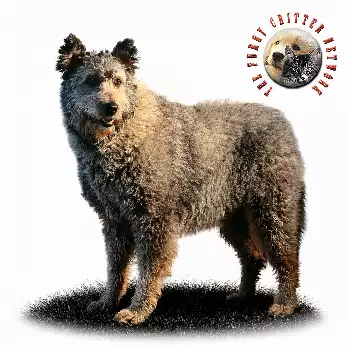

Play Style & Drive

The Pumi approaches play with the same intensity and intelligence it brings to herding work. This breed is not a passive chewer that will lie quietly gnawing a bone for hours. Instead, the Pumi craves interactive, problem-solving play that engages both its body and mind simultaneously. Understanding this drive is the first step toward selecting toys that will actually hold the dog's interest rather than being ignored after five minutes.

Herding instincts heavily influence the Pumi's play preferences. The breed is naturally drawn to chasing, circling, and controlling the movement of objects, which makes toys that move unpredictably or can be herded especially appealing. Balls that wobble, toys that bounce erratically, and items that can be pushed and corralled across a surface all tap into the Pumi's hardwired behavioral patterns.

The breed's intelligence means it learns to solve problems quickly, which has direct implications for toy selection. A puzzle toy that challenges a Pumi for twenty minutes the first time may be solved in two minutes by the third attempt. Owners need to rotate toys regularly and invest in products with adjustable difficulty levels to keep the dog mentally engaged over time.

Social play is also important for the Pumi. This breed wants to play with its people, not just alongside them. Toys that facilitate interactive games between dog and owner, such as tug ropes, fetch toys, and flirt poles, tend to see far more use than solitary enrichment items. Building a toy collection that includes both interactive and independent options ensures the Pumi has appropriate outlets regardless of whether its owner is available to participate.

Interactive & Puzzle Toys

Puzzle toys are essential equipment for the Pumi, not optional extras. This breed's intelligence demands regular cognitive challenges, and puzzle toys provide structured problem-solving that can tire a Pumi mentally in ways that physical exercise alone cannot achieve. Food-dispensing puzzles that require the dog to slide, lift, spin, or manipulate components to access treats are the most effective category for this breed.

Start with beginner-level puzzles and progress to more complex designs as your Pumi masters each stage. Sliding-tile puzzles, treat-dispensing balls, and snuffle mats all make good entry points. As the dog becomes proficient, graduate to multi-step puzzles that require sequential actions, compartmented designs with different opening mechanisms, and toys that combine lifting, pulling, and pushing within a single challenge.

Interactive toys that respond to the dog's actions add another layer of engagement. Motion-activated toys that roll, vibrate, or emit sounds when nudged can captivate a Pumi for extended periods. These are particularly useful during times when the owner cannot actively play, such as during work-from-home hours or while preparing meals. However, supervise initial interactions with electronic toys to ensure the dog does not become frustrated or attempt to disassemble the toy to access its internal mechanisms.

Rotation is the key to maintaining puzzle toy effectiveness. Keep three or four puzzles in active use and store the rest out of sight. Swap the active set every week or two so that each puzzle feels relatively fresh when reintroduced. This approach maximizes your investment in puzzle toys and prevents the boredom that sets in when a dog has permanently solved every available challenge.

Chew Toys & Durability

While the Pumi is not an extreme power chewer like some larger breeds, it does enjoy chewing as a stress-relief and enrichment activity. The breed's medium jaw strength means that most toys rated for moderate chewers will hold up well, but avoid flimsy plush toys or thin rubber products if your Pumi tends to shred rather than simply mouth its toys. Durability ratings on packaging provide useful guidance, but observe your individual dog's chewing style to calibrate appropriately.

Rubber chew toys in medium firmness offer a good balance of durability and dental benefit. Look for products with textured surfaces that help clean teeth and massage gums during chewing. Hollow rubber toys that can be stuffed with treats or frozen with a paste filling provide extended engagement and are excellent for crate time or periods when the dog needs to settle independently.

Natural chew options like bully sticks, tendons, and dried fish skins provide both chewing satisfaction and nutritional value. These consumable chews should always be given under supervision, as they can become choking hazards once chewed down to small pieces. Select sizes appropriate for your Pumi's jaw and discard any chew that has been reduced to a swallowable fragment.

Avoid chew toys made from hard materials like antlers, weight-bearing bones, or nylon that is harder than the dog's teeth. While these products last a long time, they can cause tooth fractures, particularly of the upper premolars, which are expensive and painful to treat. The goal is a material firm enough to resist immediate destruction but soft enough to yield slightly under jaw pressure.

Fetch & Outdoor Toys

Fetch is a natural fit for the Pumi's chase drive and athletic ability. The breed excels at tracking moving objects, sprinting to intercept them, and returning with enthusiasm for another round. Standard tennis balls work perfectly well for casual fetch sessions, though purpose-made dog fetch balls that are slightly smaller and lack the abrasive felt covering are gentler on teeth over time.

Ball launchers extend throwing distance and reduce the physical demand on the owner, which is helpful given the Pumi's seemingly inexhaustible desire to chase. Manual launchers that use a scooped handle are lightweight, inexpensive, and allow hands-free ball pickup, which is particularly appreciated on muddy days. Automatic launchers can be trained to for independent fetch sessions, though supervision is still recommended to prevent overexertion.

Flirt poles are an underutilized toy category that the Pumi takes to exceptionally well. These long poles with a lure attached to a line mimic the erratic movement of prey and allow the dog to sprint, pivot, and leap in pursuit. Flirt pole sessions provide intense exercise in a small area and are excellent for building impulse control when combined with sit-wait-release commands. Keep sessions short and avoid excessive jumping to protect developing joints in puppies under twelve months.

Frisbees and flying discs offer another dimension of outdoor play that leverages the Pumi's agility and tracking ability. Soft rubber or fabric discs are safer for the dog's mouth than rigid plastic models, which can chip teeth on hard catches. Start with low, short throws and gradually increase distance and height as your dog develops confidence and catching skills. Disc play builds coordination, timing, and the kind of focused teamwork that the Pumi thrives on.

Comfort & Companion Toys

Even high-energy breeds like the Pumi benefit from comfort toys that serve as transitional objects during rest, crate time, or stressful situations. Soft plush toys with minimal stuffing and no small, detachable parts make suitable comfort items for dogs that carry rather than destroy their toys. Some Pumis develop strong attachments to specific comfort toys and will seek them out during nap time or when feeling anxious.

For puppies and newly adopted Pumis, comfort toys that include a heat source or simulated heartbeat can ease the transition into a new home. These products mimic the warmth and rhythm of littermates or a previous companion and can reduce nighttime whining and settling-in anxiety. While not every dog responds to these features, they are worth trying during the critical first few weeks in a new environment.

The Pumi's curly, wiry coat means that plush toys with long fibers or fuzzy textures can become matted into the dog's fur during enthusiastic play. Opt for smooth-surfaced or short-pile plush toys that are less likely to tangle, and inspect your dog's coat after play sessions with any fabric toy. Velcro-like entanglement is more of a nuisance than a hazard but can lead to the dog avoiding toys that consistently cause discomfort.

Durability expectations should be adjusted for comfort toys compared to chew toys. These items serve a different purpose and need not withstand aggressive destruction. However, always remove toys that have been torn open, as the stuffing and any squeaker mechanisms inside pose choking and intestinal blockage risks. Unstuffed flat plush toys and knotted rope toys are safer long-term comfort options for dogs that tend to disembowel their stuffed animals.

DIY & Budget Options

Not every enrichment opportunity requires a purchased product. The Pumi's intelligence and curiosity mean that many effective toys and activities can be assembled from household items at minimal cost. A muffin tin with tennis balls placed over treats in each cup creates an instant puzzle toy. A cardboard box filled with crumpled paper and hidden kibble becomes a scavenging challenge. A towel rolled around treats and knotted at the ends provides both a puzzle and a tug toy.

Frozen enrichment is one of the simplest and most effective DIY strategies for the Pumi. Freeze a mixture of plain yogurt, mashed banana, and kibble in a silicone mold or ice cube tray for a long-lasting licking activity that keeps the dog occupied and provides hydration during warm weather. Larger frozen blocks made in bowls or containers extend the challenge further and can be offered outdoors where mess is not a concern.

Rotation and novelty matter more than expense. A Pumi that receives the same three commercial puzzle toys every day will lose interest far more quickly than one whose owner regularly introduces new challenges from simple household materials. Egg cartons, paper bags, toilet paper tubes stuffed with treats, and small boxes nested inside larger ones all provide legitimate cognitive enrichment at virtually no cost.

Safety remains paramount with DIY toys. Avoid any materials that splinter, contain toxic adhesives or dyes, or could be swallowed in large pieces. Supervise all interactions with homemade toys, especially those involving cardboard or paper that an enthusiastic chewer might ingest in quantity. Remove and discard any DIY toy once it has been significantly dismantled, and never use items with small removable components like buttons, string, or rubber bands that could cause choking or intestinal obstruction.

Always consult a qualified professional before making any health-related decisions. This content is provided for informational reference only and should not replace professional guidance specific to your animal.