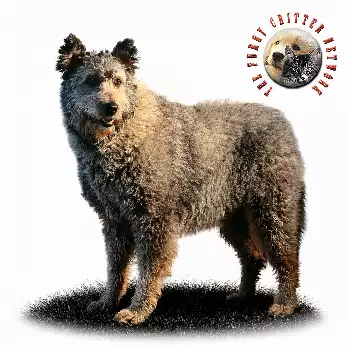

Space Requirements

The Pumi is a medium-sized herding dog that thrives with ample room to move, explore, and burn off its considerable energy. While the breed can adapt to apartment living if given sufficient daily exercise, a home with a securely fenced yard is the ideal setup. The Pumi's herding instincts and quick reflexes mean it will patrol, investigate, and react to stimuli in its environment constantly, so a cramped or cluttered living space can lead to frustration and behavioral issues.

Indoors, the Pumi needs a designated area that serves as its home base. This does not need to be large, but it should be consistent, quiet enough for rest, and positioned where the dog can still observe household activity. Pumis are social dogs that want to be aware of what their family is doing, so isolating them in a remote room or basement is counterproductive and can amplify their tendency toward alert barking.

Yard fencing deserves special attention with this breed. Pumis are agile, surprisingly athletic for their size, and motivated to chase anything that moves. A fence of at least five feet is recommended, and it should be inspected regularly for gaps or weak points. The breed is not typically a digger, but a determined Pumi can find creative escape routes if fencing is inadequate. Solid panel fencing is preferable to chain link, as it reduces visual stimulation from passing pedestrians, animals, and vehicles that can trigger reactive barking.

For owners who live in apartments or homes without yards, daily outdoor exercise becomes non-negotiable rather than supplementary. Plan for at least 60 to 90 minutes of active exercise per day, including off-leash running in safe, enclosed areas whenever possible. Dog parks can work for well-socialized Pumis, though the breed's herding tendencies and vocal nature may require monitoring around unfamiliar dogs.

Crates & Kennels

Crate training is highly effective with the Pumi and serves multiple purposes: safe confinement during unsupervised periods, a secure den-like retreat, and a management tool during housebreaking. Choose a crate sized so the dog can stand, turn around, and lie down comfortably without excess room. For most adult Pumis, a 36-inch crate fits well, though you should measure your individual dog and err slightly larger if between sizes.

Wire crates offer excellent ventilation and visibility, which suits the Pumi's desire to stay aware of its surroundings. Many wire models include a removable divider panel that allows you to adjust the interior space as a puppy grows, making a single purchase last from puppyhood through adulthood. The trade-off is that wire crates can be noisy when the dog shifts around and offer little sound or visual dampening for anxious dogs.

Plastic or enclosed-style crates create a more den-like atmosphere that some Pumis prefer for sleeping. These crates also perform better for travel, as they provide more structural protection and meet most airline requirements. However, the reduced airflow can be a concern in warm climates or during summer months, so placement away from direct sunlight and in well-ventilated rooms is important.

The crate should always be associated with positive experiences. Never use it as punishment, and introduce it gradually with treats, meals, and short duration stays before expecting extended confinement. A Pumi that views its crate as a safe retreat will settle into it willingly, while one that has been forced or punished inside it may develop lasting anxiety around confinement.

Beds & Sleeping Areas

A quality dog bed provides joint support, insulation from hard floors, and a sense of ownership over a defined space. For the Pumi, look for a bed with a bolstered or raised edge, as many dogs in this breed enjoy resting their head on an elevated rim while curling up to sleep. The bed should be large enough for the dog to stretch out fully but cozy enough to feel enclosed.

Filling material matters for both comfort and durability. Memory foam beds offer excellent joint support, especially for older Pumis or dogs recovering from activity-related soreness. Polyester fiber fill is lighter and easier to wash but compresses over time and provides less orthopedic benefit. Whichever filling you choose, prioritize a bed with a removable, machine-washable cover, as the Pumi's curly coat can trap dirt and moisture that transfers to bedding.

Placement of the bed influences how readily your Pumi will use it. Position it in a common area where the dog can rest while remaining aware of household activity. Many Pumi owners find that having two beds, one in the living area for daytime napping and one in the bedroom for overnight sleep, provides the best coverage. The breed bonds closely with its family and generally sleeps more soundly when in proximity to its people.

Durability is a practical consideration, particularly for younger Pumis that may chew or dig at their bedding. Beds with chew-resistant covers or reinforced seams hold up better against destructive behavior during the teething and adolescent phases. Elevated cot-style beds are another option that resists chewing, provides airflow underneath, and is easy to clean, though some dogs find them less comfortable than cushioned alternatives.

Outdoor Enclosures

Outdoor enclosures and exercise pens give the Pumi safe access to fresh air and outdoor stimulation without requiring constant direct supervision. A well-constructed outdoor kennel run should be at least six feet wide by ten feet long for a single Pumi, with a minimum fence height of five feet. Cover the top with mesh or a solid roof to prevent escape and protect against aerial predators, weather, and excessive sun exposure.

The flooring of an outdoor enclosure affects both comfort and hygiene. Concrete pads are easy to clean and sanitize but hard on joints and uncomfortably hot in summer. Gravel provides drainage but can trap waste and irritate paw pads. Composite decking or rubber matting over a gravel base offers a good compromise, providing comfortable footing, easy cleaning, and adequate drainage. Avoid bare dirt, which becomes muddy in rain and can harbor parasites.

Shade and shelter within the enclosure are essential. Even in moderate climates, direct sun exposure can cause overheating, and rain or wind can make an unprotected space miserable. An insulated doghouse or covered section within the enclosure gives the Pumi a place to retreat from the elements. The shelter should be sized appropriately, large enough for comfort but small enough to retain body heat during cooler weather.

Outdoor enclosures should supplement, not replace, indoor family time. The Pumi is not a breed that tolerates prolonged isolation outdoors. Extended periods alone in a kennel run can lead to excessive barking, digging, and anxiety-driven behaviors. Use outdoor enclosures as supervised play areas, short-duration containment during yard work or deliveries, and fresh-air breaks rather than as the dog's primary living space.

Climate Considerations

The Pumi's double coat provides moderate insulation against cold weather, with a wiry outer layer that sheds water and a softer undercoat that traps warmth. This coat structure means the breed handles cool and temperate climates quite comfortably and can enjoy outdoor activity in temperatures well below freezing for short periods. However, prolonged exposure to extreme cold, particularly with wind chill, still requires attention and possibly a fitted dog coat for extended outdoor sessions.

Heat management is the more pressing concern for most Pumi owners. The breed's high energy level and tendency to push through fatigue can lead to overheating during vigorous exercise in warm weather. Limit strenuous activity to the cooler hours of morning and evening during summer months, ensure constant access to fresh water, and watch for signs of heat stress including excessive panting, drooling, and lethargy. A cooling mat placed in the dog's resting area can provide welcome relief on hot days.

Indoor climate control benefits the Pumi year-round. Air conditioning during summer and adequate heating during winter keep the dog comfortable and reduce the physical stress of temperature extremes. If your home lacks central air, a fan positioned near the dog's resting area and access to cool tile or hardwood floors can help regulate body temperature during heat waves.

Humidity levels also affect the Pumi's comfort and coat condition. Very dry environments can cause skin irritation and static in the coat, while excessively humid conditions can promote skin infections and a musty smell in the dense undercoat. Maintaining moderate indoor humidity between 30 and 50 percent supports both coat health and overall comfort. Regular grooming helps as well, as it removes trapped moisture and allows air circulation to the skin.

Multi-Pet Households

The Pumi generally coexists well with other dogs, particularly when raised together or introduced properly. However, the breed's strong herding instinct can manifest as attempts to control the movement of other pets, which may annoy housemates or escalate into conflict with dogs that do not tolerate being herded. Providing each dog with its own crate, bed, and feeding station helps reduce resource competition and gives every animal a personal space to retreat to.

When introducing a Pumi to an existing pet household, use gradual, controlled introductions in neutral territory before allowing shared access to the home. Monitor interactions closely during the first few weeks, particularly around high-value resources like food, toys, and preferred resting spots. The Pumi's confident and sometimes bossy temperament means it may attempt to establish dominance early, which requires calm, consistent management from the owner.

Cats and small animals require special consideration in a Pumi household. The breed's herding and chasing instincts can be triggered by fast-moving small pets, and while many Pumis learn to coexist peacefully with cats, the initial introduction period demands vigilance. Baby gates and separate zones allow cohabitation while giving smaller pets escape routes and safe spaces that the Pumi cannot access.

In multi-dog households, ensure each dog receives individual attention, training time, and exercise. The Pumi's intelligence and drive mean it can become frustrated or develop attention-seeking behaviors if it feels overlooked in favor of other pets. Rotating one-on-one activities, separate training sessions, and individual walks alongside group time helps each dog feel valued and reduces competitive dynamics within the household.

Always consult a qualified professional before making any health-related decisions. This content is provided for informational reference only and should not replace professional guidance specific to your animal.