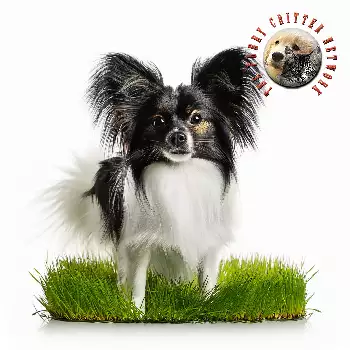

For Papillons, a well-fitted harness is strongly preferred over a traditional collar for walking and leash activities. Toy breeds are susceptible to tracheal collapse, a condition where the cartilage rings of the windpipe weaken and restrict airflow. A collar that puts pressure on the throat — especially when the dog pulls — can aggravate or even contribute to this condition over time. A harness distributes force across the chest and shoulders, eliminating throat pressure entirely.
Step-in harnesses and vest-style harnesses are the most popular designs for Papillons. Step-in models are easy to put on and remove, while vest styles provide broader coverage and a more secure fit. Look for harnesses with adjustable straps at both the chest and belly to ensure a snug fit that doesn't shift during movement. A harness that rides up or rotates can chafe the skin and restrict natural leg movement.
A lightweight collar is still useful for carrying identification tags and registration information, even if it's not used for leash attachment. Choose a collar that's narrow — typically half an inch or less — and made from a soft material that won't mat or damage the Papillon's silky neck fur. Breakaway collars, which release under pressure, add a layer of safety for dogs that might snag their collar on furniture or fencing.
Leashes for Papillons should be lightweight and proportionate to the dog's size. A heavy leather leash designed for a large breed will weigh down a Papillon and feel cumbersome for both dog and handler. A four-to-six-foot leash made from lightweight nylon or biothane provides adequate control without excess bulk. Retractable leashes are generally not recommended, as the thin cord can cause injuries and the mechanism offers less control in unpredictable situations.