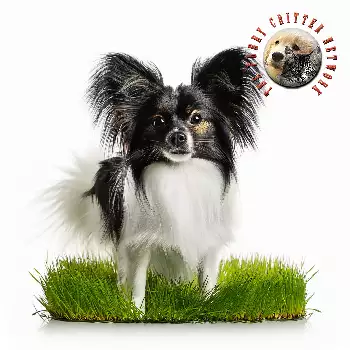

Play Style & Drive

Papillons are widely regarded as one of the most intelligent toy breeds, and their play style reflects that mental sharpness. They are quick, agile, and eager to engage — combining the curiosity of a terrier with the responsiveness of a companion breed. Unlike some toy dogs that are content to lounge, Papillons actively seek stimulation and can become restless or develop behavioral issues if their minds aren't challenged regularly.

Their play drive is surprisingly versatile. Papillons enjoy chasing, retrieving, tugging, and problem-solving in roughly equal measure. They excel in canine sports like agility and rally obedience, which gives you an idea of how much mental and physical engagement they crave in their daily routine. A Papillon that gets adequate play is a calm, well-adjusted companion; one that doesn't is likely to channel that energy into less desirable activities like excessive barking, chewing, or attention-seeking behavior.

Social play is another important dimension. Papillons typically enjoy playing with other dogs, though their small size means play partners should be similar in stature or known to be gentle. Interactive play with their human family is often the most rewarding form of engagement for a Papillon — they're a breed that thrives on connection and partnership, making toys that involve cooperative play particularly effective.

Understanding your individual Papillon's preferences is the first step in building a toy collection that actually gets used. Some lean heavily toward chase and retrieve games, while others prefer the mental challenge of puzzles and treat-dispensing toys. Observing what captures your dog's attention most consistently will help you invest in toys that provide genuine value rather than collecting dust in a toy box.

Interactive & Puzzle Toys

Puzzle toys are arguably the most valuable category of toy for a Papillon. These dogs have the cognitive ability to solve multi-step challenges, and they genuinely enjoy the process. Treat-dispensing puzzles that require sliding, lifting, or rotating components to access hidden rewards keep a Papillon focused and satisfied in ways that simple toys cannot. Start with beginner-level puzzles and progress to more complex designs as your dog masters each level.

Interactive toys that require human participation — such as tug ropes, flirt poles, and hide-and-seek games — strengthen the bond between owner and dog while providing physical exercise. Flirt poles, which are essentially a lure on a flexible rod, tap into the Papillon's natural chase instinct and provide an excellent workout in a small space. Just be mindful of the intensity — a toy breed's joints are more delicate than those of a larger dog, so keep sessions moderate.

Snuffle mats and scent-based enrichment activities are excellent for engaging your Papillon's nose, which is often underutilized in indoor environments. Hiding small treats in a fabric mat or around a room and letting your dog work to find them provides mental stimulation that can tire out a Papillon as effectively as physical exercise. This type of enrichment is also ideal for rainy days or times when outdoor activity isn't possible.

Rotate puzzle toys regularly to prevent your Papillon from losing interest. Even the most engaging toy becomes predictable after repeated use, and a bored Papillon will simply walk away from a challenge they've already solved dozens of times. Keeping three or four puzzles in rotation — swapping them out weekly — maintains novelty and keeps your dog's problem-solving instincts sharp.

Chew Toys & Durability

While Papillons aren't power chewers like some larger breeds, they still benefit from appropriate chew toys. Chewing helps maintain dental health, relieves stress, and provides a satisfying solo activity. The key is selecting chew toys that match a Papillon's jaw strength and mouth size — toys designed for medium or large breeds are too hard and too big, and can actually damage small teeth or pose a choking hazard.

Soft to medium-density rubber toys are the sweet spot for most Papillons. These provide enough resistance to satisfy the chewing urge without putting excessive pressure on small teeth and jaws. Avoid extremely hard materials like antlers, bones, and nylon chews that don't give under pressure — these can cause tooth fractures in toy breeds, leading to painful dental procedures.

Size is a critical safety consideration. Any chew toy should be large enough that your Papillon cannot swallow it whole or break off pieces large enough to create a choking risk. At the same time, it should be small enough for them to grip and manipulate comfortably. Toys in the extra-small to small range are generally appropriate, but always supervise initial chewing sessions with any new toy to assess how your dog interacts with it.

Replace chew toys promptly when they show signs of significant wear — fraying, cracking, or breaking into smaller pieces. A toy that was safe when new can become dangerous once it starts deteriorating. Regular inspection of your Papillon's toy collection takes only a moment and prevents accidental ingestion of toy fragments.

Fetch & Outdoor Toys

Many Papillons are enthusiastic retrievers, and fetch games provide an excellent combination of physical exercise and obedience reinforcement. Miniature tennis balls or small rubber balls designed for toy breeds are the ideal size — standard tennis balls are too large for a Papillon to carry comfortably. Lightweight balls that bounce unpredictably can add an extra element of excitement to fetch sessions.

Outdoor toys should be selected with the Papillon's environment in mind. In a fenced yard, a wider range of toys is practical, including small flying discs, rope toys for tug-of-war, and lightweight balls. In parks or open areas, keep toys visible and easy to locate — a small, dark-colored ball can disappear in grass quickly, turning a fun game into a frustrating search. Brightly colored toys are easier for both you and your dog to track.

Water toys may or may not appeal to your Papillon, as the breed has mixed feelings about swimming. Some enjoy wading in shallow water and will chase floating toys, while others prefer to stay dry. If your Papillon does enjoy water play, choose floating toys in bright colors that are easy to spot on the water's surface. Always supervise water activities closely, as toy breeds can tire quickly and are more vulnerable to strong currents.

Outdoor play sessions should be appropriate in duration and intensity for a small dog. While Papillons have plenty of energy, their small frames can be overtaxed by marathon fetch sessions on hard surfaces. Keep sessions to 15 to 20 minutes, play on grass or soft surfaces when possible, and watch for signs of fatigue — slowing down, heavy panting, or lying down mid-game are signals to take a break.

Comfort & Companion Toys

Papillons often form strong attachments to specific comfort toys — a stuffed animal, a small blanket, or a plush toy that they carry, cuddle, and sleep with. These companion objects provide emotional security, particularly during times of change such as moving to a new home, adjusting to a new family member, or spending time in a crate. Allowing your Papillon to keep a favorite comfort toy contributes to their sense of stability and well-being.

When choosing plush or stuffed toys for a Papillon, look for products specifically designed for small dogs. These should have reinforced seams, securely attached features (no button eyes or loose ribbons), and minimal stuffing that could be ingested if the toy is torn open. Some plush toys designed for toy breeds use flat or minimal-fill construction specifically to reduce the risk of stuffing ingestion.

Squeaker toys are almost universally loved by Papillons, who seem endlessly entertained by the feedback they get from biting down and producing a sound. However, squeakers that can be extracted from the toy present a choking hazard. Choose toys with embedded or enclosed squeaker mechanisms that are difficult to remove, and retire any squeaker toy once your dog has managed to access the noisemaker inside.

Some Papillons enjoy heartbeat or warmth-simulating toys, which replicate the sensation of sleeping near another living creature. These are particularly useful for puppies transitioning away from their littermates or for dogs experiencing separation anxiety. The gentle pulse or warmth can have a calming effect that helps the dog settle during alone time or at night.

DIY & Budget Options

Not every effective toy needs to come from a store. Papillons are easily entertained by simple household items repurposed for play, and DIY options can be both cost-effective and highly engaging. A muffin tin with tennis balls placed over treats in each cup creates an instant puzzle toy. An old sock knotted around a water bottle becomes a crinkly chew toy. A cardboard box with treats hidden inside offers a satisfying destruction activity.

Frozen enrichment is one of the simplest and most effective DIY options. Spreading a thin layer of plain yogurt, pumpkin puree, or wet dog food inside a small rubber toy and freezing it creates a long-lasting treat that keeps your Papillon busy while providing a cooling snack. You can also freeze small treats in ice cubes for a summertime activity that encourages licking and problem-solving.

DIY obstacle courses built from household items can channel a Papillon's natural agility and intelligence. Use cushions as jumps, chairs draped with blankets as tunnels, and small cones or boxes as weave poles. These improvised courses tap into the same skills tested in competitive agility, and most Papillons take to them immediately with a little treat-based encouragement.

While DIY toys are a great supplement, they do require supervision and regular safety assessments. Ensure that any materials used are non-toxic, free of small parts that could be swallowed, and free of sharp edges. Discard DIY toys when they start to deteriorate — a cardboard box is fun until it becomes small, soggy fragments that could cause digestive issues. The goal is enrichment without risk, and a watchful eye makes all the difference.

Always consult a qualified professional before making any health-related decisions. This content is provided for informational reference only and should not replace professional guidance specific to your animal.