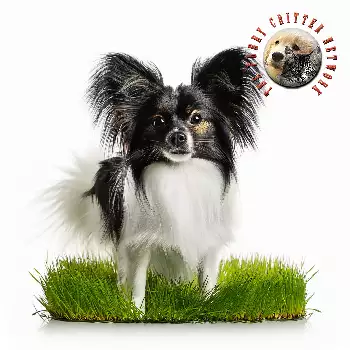

Papillons are among the most adaptable dog breeds when it comes to living space. Their small stature makes them well suited to apartments, condos, and smaller homes where larger breeds might feel cramped. However, their high energy level and curious nature mean they need more than just a corner to sleep in — they thrive when given access to multiple rooms and the freedom to follow their owners around the house.
Even though Papillons don't need vast square footage, they do need a well-organized environment. Designating specific areas for sleeping, eating, and playing helps establish routine and gives the dog a sense of structure. A consistent setup reduces anxiety, particularly in puppies and newly adopted dogs who are still learning the rhythms of the household.
Because Papillons are so small, their living environment should be evaluated for safety hazards that wouldn't concern larger breeds. Small gaps behind furniture, open stairways, and low balcony railings can all pose risks. Baby gates are often essential for managing access to stairs or rooms with potential dangers. Reclining furniture is another frequently overlooked hazard — Papillons are small enough to crawl into mechanisms where they could be injured.
Outdoor space is a bonus but not a requirement. A securely fenced yard gives a Papillon room to run, but many city-dwelling Papillons live full, happy lives with regular walks and indoor play. The key is ensuring that whatever space you have is safe, stimulating, and appropriately sized for a dog that weighs under ten pounds.