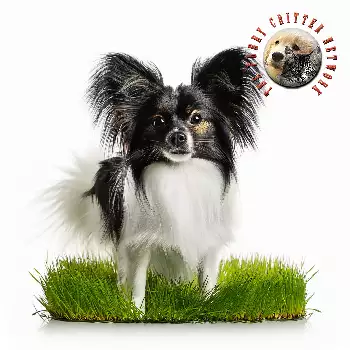

Papillons are toy-sized dogs with a surprisingly fast metabolism. Despite weighing between five and ten pounds, they burn through calories quickly thanks to their naturally active and alert disposition. Their dietary needs reflect this: a calorie-dense food formulated for small or toy breeds will help sustain their energy throughout the day without requiring large portion sizes that could overwhelm their small stomachs.
Protein is the cornerstone of any Papillon's diet. Look for foods where a high-quality animal protein — such as chicken, turkey, salmon, or lamb — is listed as the first ingredient. Papillons need a minimum of around 25 to 30 percent protein to maintain their lean muscle mass and support their active lifestyle. Fat content should also be moderate to high, typically in the 12 to 18 percent range, to fuel their energy and keep their distinctive silky coat in top condition.
Because Papillons are long-lived dogs, often reaching 14 to 16 years, nutrition plays a critical role in supporting joint health, cognitive function, and dental integrity over time. Omega-3 and omega-6 fatty acids support coat and skin health, while antioxidants from fruits and vegetables help protect against cellular aging. Selecting a food with these components built in can reduce the need for excessive supplementation later.
Small breed dogs like Papillons are also prone to hypoglycemia, especially as puppies and young adults. Feeding smaller, more frequent meals — rather than one or two large ones — helps keep blood sugar stable. This is particularly important during the first year of life, when rapid growth and high activity levels can cause energy dips if meals are spaced too far apart.