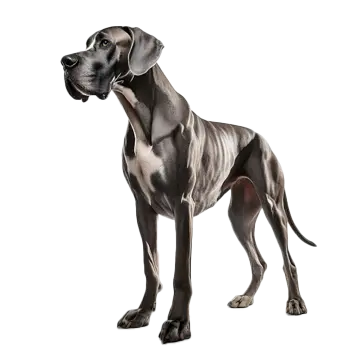

Activity monitors designed for dogs have evolved considerably, and they can be particularly valuable for Great Dane owners who need to track subtle changes in their dog's behavior and movement patterns. These devices typically attach to the collar and use accelerometers and algorithms to measure daily activity levels, rest patterns, and calorie expenditure. For a breed prone to joint disease, cardiomyopathy, and bloat, trend data from an activity monitor can reveal early warning signs that might otherwise go unnoticed.
The most useful feature of an activity monitor for Great Dane owners is not the step count — it is the ability to detect changes in resting behavior and activity baselines. A Great Dane that suddenly becomes less active, sleeps more than usual, or shows altered movement patterns may be experiencing pain, illness, or the early stages of a joint condition. Activity monitors that establish a baseline over weeks and then flag deviations from that baseline provide actionable information you can share with your veterinarian.
Some advanced monitors also track scratching, licking, and shaking behavior, which can indicate allergies, ear infections, or skin irritation. Others monitor respiratory rate during sleep, which is a useful indicator of cardiovascular health. Given the Great Dane's predisposition to dilated cardiomyopathy, a device that alerts you to elevated resting respiratory rates can prompt earlier veterinary evaluation and potentially extend the dog's life through earlier intervention.
When selecting an activity monitor, ensure the device is rated for large or giant breeds and that the collar attachment is secure enough to stay in place on a thick, sturdy collar. Battery life varies widely across products — some last weeks on a single charge, while others require weekly charging. Choose a device with a companion app that presents data clearly and allows you to share reports with your veterinary team.