
Space Requirements

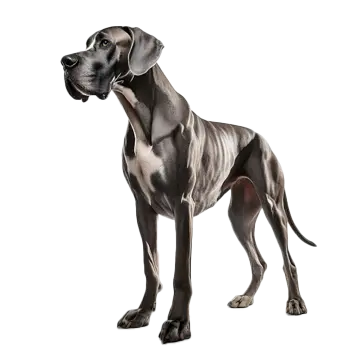
Great Danes are often called the gentle giants of the dog world, but their sheer physical dimensions demand thoughtful space planning. An adult male can stand 32 inches or taller at the shoulder and stretch well over six feet when standing on hind legs. Despite their size, Great Danes are remarkably calm indoors and do not require as much active space as many smaller, higher-energy breeds. What they do need is enough room to move, turn, and lie down comfortably without constantly bumping into furniture or walls.

A house with moderate square footage can work well for a Great Dane, provided the layout allows open pathways and the dog has a designated resting area large enough to accommodate its full body. Apartments are not out of the question, but they require more deliberate management — regular outdoor exercise, strategic furniture placement, and awareness of noise and neighbor proximity. The dog's tail alone can clear a coffee table in a single wag, so breakable items at tail height should be relocated.

Outdoor space is valuable but not strictly required if the owner commits to daily walks and exercise. A securely fenced yard gives the dog room to stretch and move freely, which benefits joint health and mental well-being. Fencing should be at least five to six feet tall, though most Great Danes are not determined jumpers. The greater concern is the fence being sturdy enough to withstand a 150-pound dog leaning against it.

Regardless of living situation, Great Danes are not outdoor-only dogs. They have thin coats, low body fat relative to their frame, and a strong desire for human companionship. Leaving a Great Dane outside for extended periods — especially in extreme heat or cold — is both a welfare concern and a recipe for behavioral problems.

Crates & Kennels

Crate training a Great Dane is entirely feasible and recommended, but it requires the right equipment from the start. Standard large-dog crates are insufficient — Great Danes need crates rated for giant breeds, typically 54 inches in length at minimum. Some adult males require even longer crates to stand, turn, and lie down without restriction. Wire crates are the most common choice because they offer good ventilation, visibility, and the ability to use a divider panel during the puppy stage.

During puppyhood, use a crate divider to size the interior appropriately. The puppy should have enough room to stand, turn around, and lie down, but not so much that it can use one end as a bathroom. As the puppy grows — which happens rapidly in Great Danes — adjust the divider every few weeks. Most owners find themselves upgrading to the full crate size by six to eight months of age.

Heavy-duty crates are worth considering for Great Danes that are anxious or destructive when confined. Standard wire crates can be bent or collapsed by a determined giant-breed dog, which creates both an escape risk and a safety hazard. Reinforced steel crates or heavy-gauge wire models with secure latch mechanisms provide a more reliable option for dogs that struggle with confinement.

Placement matters as much as the crate itself. Position the crate in a common area where the dog can see and hear the family, as Great Danes are deeply social and become stressed when isolated. Avoid placing crates in direct sunlight, near heating vents, or in garages where temperature extremes can be dangerous. A crate should be a comfortable retreat, not a punishment or a storage solution.

Beds & Sleeping Areas

Great Danes spend a significant portion of their day resting, and the quality of their bedding directly affects their joint health and overall comfort. Orthopedic beds with high-density memory foam or supportive bolsters are the gold standard for this breed. The bed should be large enough for the dog to stretch out fully — most Great Danes need beds in the 48-inch to 54-inch range, and some owners opt for extra-large options or even twin-sized mattresses with washable covers.

Elevated or cot-style beds are another excellent option, particularly in warmer climates. These beds keep the dog off the floor, promote airflow beneath the body, and reduce pressure on joints. They are also easier to keep clean than traditional stuffed beds, as they resist harboring odors, hair, and allergens. Many Great Dane owners keep both an orthopedic bed and an elevated cot available, allowing the dog to choose based on comfort and temperature.

Durability is a critical factor. Great Danes are not typically destructive chewers as adults, but their weight alone puts enormous stress on bed seams, zippers, and foam cores. Look for beds with reinforced stitching, chew-resistant covers, and foam that maintains its shape under sustained heavy compression. Cheap beds flatten within weeks under a Great Dane and provide no meaningful joint support once the foam is compressed.

Washability should not be an afterthought. Great Danes drool, shed, and track in dirt, so a bed with a removable, machine-washable cover is essential for hygiene and longevity. Some owners add a waterproof liner beneath the cover to protect the foam core from drool and accidents, extending the life of the bed considerably.

Outdoor Enclosures

Outdoor enclosures for Great Danes should prioritize security, shade, and comfort. A standard chain-link kennel run can work as a temporary outdoor containment area, but it should be large enough for the dog to move freely — a minimum of six feet wide by twelve feet long is a reasonable starting point, though larger is always better. The enclosure should include a covered or shaded section to protect the dog from sun, rain, and wind.

Fencing material matters. Chain link is affordable and functional, but it should be heavy gauge to withstand leaning and pawing from a giant-breed dog. Welded wire panels and modular kennel systems designed for large breeds offer greater durability and often include integrated shade structures. Avoid lightweight portable enclosures or fabric exercise pens, which a Great Dane can tip over or tear through with minimal effort.

Ground surfaces within the enclosure should be comfortable and easy to clean. Grass is natural but becomes muddy and difficult to sanitize. Pea gravel provides drainage and is easy on joints, though it requires periodic raking and replacement. Rubber matting or interlocking kennel tiles offer a durable, cushioned surface that can be hosed down and sanitized. Concrete is easy to clean but hard on joints and uncomfortably hot or cold at temperature extremes — if used, cover it with rubber mats or elevated cot beds.

No outdoor enclosure should serve as a Great Dane's primary living space. These dogs are indoor companions that benefit from time outside but suffer physically and emotionally when left in kennels for extended periods. Use outdoor enclosures for supervised play, short-term containment while you are working in the yard, or as a safe space during outdoor gatherings — not as a substitute for indoor living.

Climate Considerations

Great Danes are poorly equipped for temperature extremes. Their short, single-layer coat provides minimal insulation against cold, and their large body surface area makes them vulnerable to heat stress. In cold climates, Great Danes need insulated, draft-free sleeping areas indoors and should wear fitted coats or jackets during winter walks. Prolonged exposure to temperatures below freezing can lead to hypothermia more quickly than many owners expect from such a large dog.

In hot climates, heat management is equally important. Great Danes can overheat rapidly, especially during exercise or when confined in poorly ventilated spaces. Air conditioning is not a luxury for this breed — it is a necessity in regions where summer temperatures regularly exceed 85 degrees Fahrenheit. Outdoor time during peak heat hours should be limited, and fresh water and shade must always be available.

Indoor climate control should account for the dog's resting areas. Avoid placing beds near heating vents that can create hot spots or near exterior walls and windows that allow cold drafts. Elevated cot beds can help with temperature regulation in warmer environments by allowing air to circulate beneath the dog. In colder months, a fleece blanket or padded mattress topper on the bed adds warmth without requiring the room temperature to be raised.

Humidity is another factor that affects Great Danes more than smaller breeds. High humidity combined with moderate heat can push a giant-breed dog into heat stress faster than dry heat at higher temperatures. If you live in a humid climate, monitor your dog closely during summer months and consider a dehumidifier in the dog's primary resting area to improve comfort.

Multi-Pet Households

Great Danes generally coexist well with other pets, but their size introduces logistical challenges that require planning. In multi-dog households, each dog should have its own designated resting area where it can retreat without being crowded. Great Danes are not typically resource-aggressive, but their physical size can unintentionally intimidate smaller dogs, especially around food, toys, and sleeping spots. Separate feeding stations and staggered meal times can prevent conflict.

When sharing space with cats or small animals, supervision during the introduction period is essential. Most Great Danes have moderate to low prey drive, but individual temperament varies, and a playful swat from a Great Dane paw can injure a small animal even without aggressive intent. Baby gates and designated pet zones help manage interactions until you are confident in the dynamic. Choose heavy-duty gates rated for large dogs, as standard pressure-mounted gates will not withstand a Great Dane's weight.

Crate placement in multi-pet homes should ensure that each animal has visual and physical separation when needed. Stacking crates is not advisable with a giant-breed crate on top — the weight and instability create a safety risk. Side-by-side placement with a visual barrier between crates can help anxious dogs settle more easily.

Furniture and shared spaces may need to be renegotiated. A Great Dane on a couch leaves little room for other pets or people, and a dog this size jumping on and off furniture repeatedly can damage both the furniture and the dog's joints. If you allow furniture access, consider providing a ramp or low steps to reduce impact on joints, and establish clear boundaries about which furniture is shared and which is off-limits.

Always consult a qualified professional before making any health-related decisions. This content is provided for informational reference only and should not replace professional guidance specific to your animal.