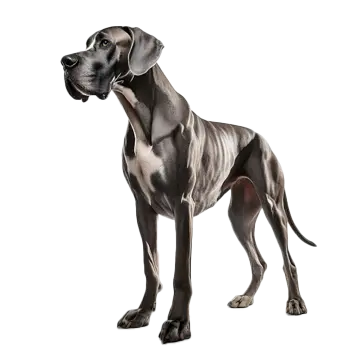

Great Danes are not tireless athletes, but they are playful dogs that enjoy moderate activity and meaningful interaction with their owners. Their play style tends to be enthusiastic but not hyperactive — expect bounding gallops across the yard, vigorous tug sessions, and the occasional zoomie rather than the sustained, obsessive retrieving of a working breed. Understanding this play profile helps you select toys that match the dog's energy level and attention span.
Despite their imposing size, many Great Danes have a surprisingly gentle mouth. They are not among the most destructive chewers in the dog world, though their jaw size and pressure mean that toys rated for medium dogs will not survive long. The key distinction is between a dog that chews aggressively out of drive and one that simply has the physical equipment to dismantle anything undersized. Great Danes fall into the latter category more often than the former.
Mental stimulation is at least as important as physical exercise for this breed. Great Danes are intelligent and can become bored if left without engagement, leading to counter-surfing, furniture chewing, or general mischief. Puzzle toys, training games, and interactive play sessions give the dog's mind something to work on and strengthen the bond between dog and owner.
Age and health status significantly influence play preferences. Puppies are rambunctious and need outlets for teething and exploration. Adults settle into their preferred play routines. Senior Great Danes, who may experience joint stiffness or reduced mobility, benefit from low-impact enrichment that keeps them mentally engaged without demanding physical exertion they can no longer comfortably sustain.