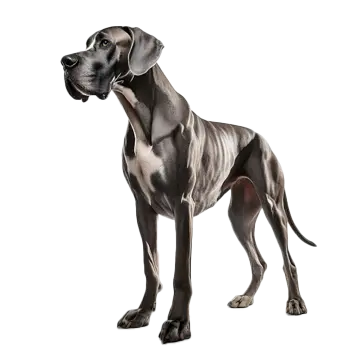

Great Danes have nutritional demands that set them apart from nearly every other breed. As a giant breed, they require a carefully balanced diet that supports their massive skeletal frame without encouraging the kind of rapid growth that can lead to developmental orthopedic problems. Puppies in particular need controlled calorie and calcium intake to ensure bones and joints mature at the right pace, making giant-breed-specific formulas a necessity rather than a luxury.
Adult Great Danes typically consume between six and ten cups of food per day, depending on their activity level, age, and metabolism. Despite their size, they are not high-energy dogs, and overfeeding is a genuine risk. Excess weight places enormous stress on their joints, heart, and digestive system, so portion control matters more for this breed than for most. A lean body condition is always the goal.
Protein should form the foundation of the diet, ideally from whole animal sources listed as the first ingredient. A protein content in the range of 23 to 27 percent works well for most adult Great Danes, with moderate fat levels to prevent unnecessary weight gain. Giant breeds also benefit from diets that include glucosamine and chondroitin for joint maintenance, as well as omega fatty acids for coat and skin health.
Calcium and phosphorus ratios deserve special attention, particularly during the first 18 months of life. Excess calcium can interfere with normal bone development in giant-breed puppies and has been linked to conditions like hypertrophic osteodystrophy and osteochondrosis. Look for foods formulated specifically for large or giant-breed puppies, as these control mineral levels more precisely than all-breed formulas.