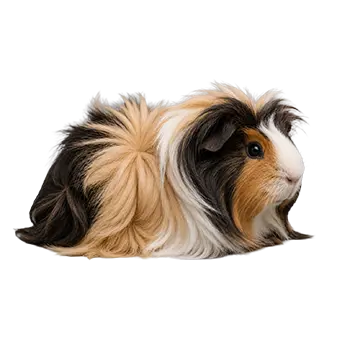

Play Style & Behavior

Guinea pigs are not typically thought of as playful in the way dogs or cats are, but they are curious, social animals that benefit enormously from environmental enrichment. The Sheba Mini Yak tends toward a calm, gentle disposition but still displays the characteristic guinea pig behaviors of popcorning, zoomies, and investigative nosing when provided with a stimulating environment. Understanding these natural behaviors is the key to selecting toys and activities that will actually get used.

Most guinea pig play revolves around exploring, foraging, and hiding rather than chasing or fetching. Your Sheba Mini Yak is far more likely to investigate a new tunnel or burrow into a pile of hay than it is to bat a ball across the cage. Enrichment that taps into these instincts — novel textures, hidden food items, rearrangeable cage furniture — will be more engaging and longer-lasting than flashy toys designed to appeal to the owner rather than the animal.

The Sheba Mini Yak's long coat adds a practical consideration to toy selection. Anything with small openings, hooks, rough edges, or dangling strings can catch and tangle in the rosetted fur, causing discomfort or even injury. Smooth-edged toys made from natural materials are the safest choice, and any new item should be supervised during the first few play sessions to ensure it does not snag the coat.

Social play between cage mates is itself a powerful form of enrichment. A bonded pair of Sheba Mini Yaks will chase each other through tunnels, share hay piles, and engage in gentle dominance displays that provide both physical exercise and mental stimulation. No commercial toy can fully replace the enrichment that comes from appropriate social housing.

Interactive & Puzzle Toys

Puzzle toys for guinea pigs generally center on food motivation, since cavies are highly food-driven animals. Simple foraging boards with shallow wells or cups that hold small vegetable pieces encourage your Sheba Mini Yak to work for its treats rather than simply finding them in a bowl. The problem-solving effort involved, however modest by mammalian standards, provides genuine cognitive stimulation.

Scatter feeding is the simplest and most effective form of interactive enrichment. Rather than placing pellets in a bowl, scatter them across a section of the cage or hide them under small piles of hay. This mimics the natural foraging behavior guinea pigs would exhibit in the wild and extends feeding time from seconds to minutes, reducing boredom and slowing consumption for guinea pigs that tend to eat too quickly.

Treat balls designed for small animals can work well, though sizing is important. The ball should be large enough that your guinea pig can nudge it with its nose without the risk of getting its mouth or paws stuck in the dispensing holes. Weighted designs that roll unpredictably are more engaging than lightweight balls that travel too far with each nudge, rolling out of reach and ending the interaction prematurely.

Rotate puzzle toys on a weekly basis rather than leaving the same items in the cage permanently. Guinea pigs lose interest in familiar objects quickly, but reintroducing a toy after a week's absence often renews curiosity. Keeping a small rotation of three to four puzzle toys and cycling them ensures your Sheba Mini Yak always has something relatively novel to investigate.

Chew Toys & Dental Health

Guinea pig teeth grow continuously throughout their lives, and adequate chewing opportunities are essential to keep incisors and molars worn to a healthy length. While hay is the primary source of dental wear, chew toys provide supplementary gnawing surfaces and help satisfy the natural urge to chew on varied textures. Untreated apple wood, willow sticks, and timothy hay-based chew logs are all excellent options.

Avoid chew toys made from softwood, painted surfaces, or materials treated with any kind of sealant or chemical preservative. Guinea pigs ingest small amounts of whatever they chew, so every material must be completely nontoxic. Compressed hay shapes and woven grass mats serve double duty as both chew items and foraging surfaces, making them particularly efficient enrichment choices.

Mineral chews and flavored chew sticks are heavily marketed to small-animal owners but are generally unnecessary and sometimes counterproductive. Excess mineral intake can contribute to urinary tract problems, and the flavoring additives are often sugar-based, undermining dental health rather than supporting it. Plain, natural wood and hay-based chews provide the mechanical action your Sheba Mini Yak's teeth need without the nutritional drawbacks.

Monitor chew toys for signs of splintering or breakage and replace them before sharp edges develop. A splintered wood stick can injure the gums or cheek pouches, creating entry points for infection. Check chew items during your daily cage spot-check and remove any that are significantly worn down or have developed rough, jagged surfaces.

Tunnels & Hideouts

Tunnels and hideouts satisfy the guinea pig's deep-rooted prey-animal instinct to seek cover. A Sheba Mini Yak that feels secure in its environment — with ready access to hiding spots — will actually spend more time out in the open, exploring and interacting, than one housed in a bare cage with nowhere to retreat. Provide at least one hideout per guinea pig, plus one extra, to prevent territorial disputes over prime hiding real estate.

Fabric tunnels are popular and practical for long-haired breeds because the smooth interior does not catch or tangle fur the way woven grass or rough wood tunnels can. Look for tunnels with a diameter of at least six inches to accommodate the Sheba Mini Yak's coat volume — a tunnel that seems adequately sized for a short-haired guinea pig may be uncomfortably tight for a breed with this much fur.

Wooden hideout houses with flat roofs serve a dual purpose: your guinea pig can hide inside and perch on top, using the roof as an elevated lookout platform. Ensure the house entrance is large enough for the Sheba Mini Yak to pass through without compressing its coat against the frame, as repeated friction at the entry point can cause matting and fur damage over time.

Cardboard boxes make surprisingly effective temporary hideouts and have the added benefit of being disposable. Cut an entry hole in each end of a medium-sized cardboard box, place it in the cage, and replace it when it becomes soiled or chewed through. This provides enrichment through novelty — each new box smells different and is positioned slightly differently — at essentially zero cost.

Foraging & Exploration

Foraging enrichment transforms mealtime from a passive event into an active, engaging experience. Stuff a toilet paper tube with hay and wedge a few pellets or a small herb sprig inside, then place it in the cage. Your Sheba Mini Yak will pull, tug, and nose at the tube to extract the food, engaging both physically and mentally in a way that a filled bowl never can.

Hay piles and hay bags serve as both food sources and enrichment simultaneously. A loosely filled hay bag hung from the cage wall encourages reaching, pulling, and tugging behaviors that provide low-intensity exercise throughout the day. Vary the type of hay used — alternating between timothy, orchard grass, and meadow hay — to add sensory variety to the foraging experience.

Rearranging the cage layout periodically provides exploration enrichment without requiring any new purchases. Moving the hidey house to a different corner, relocating the hay rack, or shifting the water bottle position forces your guinea pig to reorient and investigate its changed environment. Do this gradually — one or two changes at a time — rather than overhauling the entire layout, which can be stressful for a prey animal that relies on spatial familiarity for security.

Outdoor floor time in a guinea-pig-proofed room offers the richest exploration experience available. Lay down a protective floor covering, block off any spaces where the guinea pig could become trapped, remove all cables and toxic plants, and let your Sheba Mini Yak roam freely under supervision. The novelty of textures, smells, and open space stimulates natural curiosity in a way that no cage-based enrichment can fully replicate.

DIY & Budget Options

Some of the best guinea pig enrichment costs nothing at all. Paper grocery bags with the handles removed make excellent rustling hideouts that guinea pigs love to explore and chew. Crumple a sheet of plain, unbleached packing paper into a loose ball, tuck a few herb leaves inside, and place it in the cage for an instant foraging puzzle that provides both mental stimulation and satisfying shredding activity.

Toilet paper and paper towel tubes are classic guinea pig toys that remain effective no matter how many commercial alternatives are available. Cut a slit along the length of a tube, stuff it with hay, and fold the ends over loosely. Your Sheba Mini Yak will gnaw, toss, and wrestle the tube to access the hay inside, often carrying it around the cage in the process.

Fleece scraps from old blankets or fabric remnants can be sewn or knotted into simple tunnel shapes, snuggle sacks, or draped over cage furniture to create cozy hideaways. Ensure all fleece items are free of loose threads that could wrap around toes or become tangled in the Sheba Mini Yak's long coat. Hemmed edges and tight stitching prevent unraveling during enthusiastic investigation.

A shallow dish of water with floating herb leaves creates a simple sensory experience that some guinea pigs find intriguing. Not all guinea pigs enjoy water play, so introduce this cautiously and never use a dish deep enough to pose any drowning risk. If your Sheba Mini Yak shows no interest or becomes stressed, remove the dish and try a different enrichment activity instead. The goal is always voluntary engagement — forcing interaction with any toy or enrichment item defeats its purpose entirely.

Always consult a qualified professional before making any health-related decisions. This content is provided for informational reference only and should not replace professional guidance specific to your animal.