
Nutritional Needs

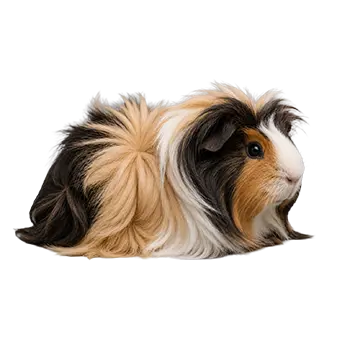
The Sheba Mini Yak is a long-coated guinea pig breed whose dense, rosetted fur places additional nutritional demands on its body. Like all cavies, the Sheba Mini Yak cannot synthesize vitamin C on its own, making daily supplementation through diet absolutely essential. A deficiency can lead to scurvy, weakened immunity, and a dull, brittle coat — particularly noticeable on a breed whose appearance depends heavily on coat quality.

Fiber is the cornerstone of any guinea pig diet, and the Sheba Mini Yak is no exception. Unlimited access to high-quality grass hay keeps the digestive system functioning properly and provides the constant chewing action needed to wear down continuously growing teeth. Without adequate fiber, gastrointestinal stasis can develop rapidly and become life-threatening within hours.

Because the Sheba Mini Yak's long coat requires significant keratin production, a diet slightly higher in protein compared to short-haired breeds can be beneficial. This does not mean overfeeding pellets or offering high-protein treats, but rather ensuring the pellet ration and fresh vegetables are consistently nutrient-dense. Omega fatty acids from appropriate vegetable sources also support coat luster and skin health.

Caloric intake should be carefully monitored. Guinea pigs are prone to obesity when given unrestricted access to pellets or sugary fruits, and excess weight is harder to detect under the Sheba Mini Yak's voluminous coat. Regular weigh-ins paired with a balanced feeding plan help maintain an ideal body condition without relying on visual assessment alone.

What to Look For

When selecting food products for a Sheba Mini Yak, the ingredient list matters far more than the packaging. Quality guinea pig pellets should list timothy hay or a similar grass hay as the first ingredient, with added vitamin C that has not expired. Vitamin C degrades quickly once a bag is opened, so purchasing smaller bags more frequently is preferable to buying in bulk and storing for months.

Avoid any pellet mix that contains seeds, nuts, dried corn, or colorful puffed pieces. These are filler ingredients that offer little nutritional value and can pose choking hazards or contribute to selective feeding, where the guinea pig picks out the sugary bits and ignores the nutritious base. A uniform pellet ensures consistent nutrition with every bite.

Hay quality varies dramatically between suppliers. Look for hay that is green, fragrant, and free of excessive dust or brown stems. Dusty or moldy hay can cause respiratory infections, which guinea pigs are already susceptible to. If the hay smells musty or feels damp, discard it immediately regardless of the purchase date.

For fresh produce, prioritize vegetables high in vitamin C and low in oxalates. Bell peppers, romaine lettuce, and cilantro are excellent staples. Vegetables high in calcium, such as spinach and kale, should be offered sparingly to reduce the risk of bladder stones, a common health concern in cavies.

Recommended Hay & Pellets

Timothy hay should form the bulk of the Sheba Mini Yak's diet, available at all times in a rack or dispenser that keeps it clean and off the cage floor. Second-cut timothy hay strikes the best balance between palatability and fiber content, with softer stems that guinea pigs tend to eat more readily while still providing adequate roughage for dental and digestive health.

Orchard grass and meadow hay make excellent supplementary options and can be mixed with timothy hay to add variety and encourage foraging behavior. Alfalfa hay, while nutritious, is too high in calcium and calories for adult guinea pigs and should only be offered to young, growing, or pregnant animals. Transitioning off alfalfa should happen gradually around six months of age.

Pellets should be plain, timothy-based, and fortified with stabilized vitamin C. A standard adult Sheba Mini Yak needs approximately one-eighth cup of pellets per day. Overfeeding pellets is one of the most common dietary mistakes guinea pig owners make, leading to obesity and a reduced appetite for the hay that should constitute the majority of their intake.

Store pellets in an airtight container away from heat and light to preserve the vitamin C content. Even under ideal storage conditions, pellets lose potency over time, so check expiration dates carefully and aim to use a bag within six weeks of opening. If your guinea pig's coat appears lackluster despite an otherwise balanced diet, degraded vitamin C in stored pellets is a likely culprit.

Fresh Vegetables & Fruits

A daily salad of fresh vegetables provides essential vitamins and minerals that hay and pellets alone cannot fully deliver. For the Sheba Mini Yak, a cup of mixed vegetables per day is a reasonable target. Bell peppers — particularly red and yellow varieties — are among the richest vegetable sources of vitamin C and should be a regular feature in the rotation.

Leafy greens such as romaine lettuce, green leaf lettuce, and endive form the base of a good daily mix. Herbs like cilantro, parsley, and dill add flavor variety and additional micronutrients. Rotate vegetables throughout the week rather than offering the same combination every day, as this reduces the risk of any single anti-nutrient accumulating to problematic levels.

Fruits should be treated as occasional indulgences rather than dietary staples. Small pieces of strawberry, apple, or blueberry can be offered once or twice per week. The natural sugars in fruit can disrupt gut flora and contribute to weight gain if offered too generously. Always remove seeds and pits, and wash all produce thoroughly before serving.

Introduce any new food item gradually over several days, watching for signs of digestive upset such as soft stools or reduced appetite. Guinea pigs have sensitive digestive systems, and sudden dietary changes can trigger bloating or diarrhea. A slow introduction also helps identify any individual food sensitivities your Sheba Mini Yak may have.

Treats & Supplements

The most important supplement for any guinea pig is vitamin C, and the Sheba Mini Yak's demanding coat only amplifies this need. Liquid vitamin C supplements added to water bottles are widely available but poorly absorbed, as the vitamin degrades rapidly in water and many guinea pigs drink less when the taste changes. Direct oral supplements in tablet or liquid drop form, administered by syringe, are far more reliable.

Commercial guinea pig treats vary enormously in quality. Many marketed treats are essentially candy — yogurt drops, honey sticks, and seed bars that offer no nutritional benefit and can cause digestive problems. The best treats are simply small portions of fresh herbs, a sliver of carrot, or a piece of bell pepper. These reward your guinea pig without compromising its health.

Probiotics formulated for small herbivores can support digestive health, particularly after antibiotic treatment or during periods of stress such as a cage move or the introduction of a new companion. These should be used under veterinary guidance rather than as a routine daily supplement.

Mineral wheels and salt licks are frequently marketed to guinea pig owners but are generally unnecessary when the diet is properly balanced. Excess mineral intake can contribute to urinary tract issues, and most guinea pigs ignore these products after an initial investigation. Your money is better spent on high-quality hay and fresh produce.

Foods to Avoid

Certain common foods are toxic or dangerous to guinea pigs and must never be offered. Onions, garlic, leeks, and chives contain compounds that can damage red blood cells and cause serious illness. Potatoes — especially green or sprouted ones — contain solanine, which is toxic to cavies. Avocado, rhubarb, and tomato leaves are similarly hazardous and should be kept well out of reach.

Dairy products, meat, eggs, and any animal-based foods are completely inappropriate for guinea pigs, who are strict herbivores. Their digestive systems cannot process animal proteins or fats, and offering these foods can cause severe gastrointestinal distress. Similarly, bread, pasta, rice, and other processed grains offer no nutritional value and can lead to dangerous bloating.

Iceberg lettuce, while not toxic, is so low in nutrients and so high in water content that it can cause diarrhea without providing any dietary benefit. Cabbage, broccoli, and cauliflower are not toxic but produce significant gas, which can be painful and dangerous for guinea pigs whose digestive systems are not equipped to handle excessive bloating.

Many houseplants and garden plants are toxic to guinea pigs, so floor time and outdoor playtime require careful supervision. If your Sheba Mini Yak has access to any area with plants, verify that every species present is safe. When in doubt, remove the plant or block access entirely — the consequences of ingestion can be swift and severe.

Feeding Schedule

Consistency is critical for guinea pig digestion. Establish a feeding schedule and stick to it as closely as possible every day. A typical routine involves refreshing the hay supply in the morning, offering the daily pellet ration at midday, and providing the fresh vegetable serving in the late afternoon or early evening. Guinea pigs are creatures of habit and will quickly learn to anticipate mealtimes.

Hay should be available around the clock without exception. Guinea pigs graze continuously throughout the day and night, and any gap in hay availability can slow gut motility dangerously fast. Check the hay rack at least twice daily and top it off as needed, removing any soiled or trampled hay that has fallen to the cage floor.

Fresh vegetables should be removed from the cage within a few hours if uneaten, as wilted or spoiling produce attracts insects and can harbor bacteria. This is especially important in warmer months when food deteriorates more quickly. Pay attention to which vegetables your Sheba Mini Yak consistently ignores and replace them with better-accepted alternatives.

Fresh, clean water must be available at all times. Water bottles with sipper tubes are preferred over open bowls, which can be tipped over or contaminated with bedding and droppings. Clean the water bottle and sipper tube daily with a bottle brush to prevent algae and bacterial buildup, and refill with fresh water rather than simply topping off what remains.

Always consult a qualified professional before making any health-related decisions. This content is provided for informational reference only and should not replace professional guidance specific to your animal.