
Grooming Tools

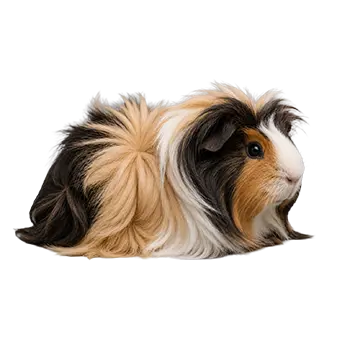
The Sheba Mini Yak's long, rosetted coat demands more grooming attention than any short-haired guinea pig breed. A soft-bristle brush or a small slicker brush designed for kittens or small animals is the primary tool you will need, and you will need it frequently — daily brushing is ideal, with every-other-day sessions as the absolute minimum to prevent matting. The rosette growth pattern causes the fur to swirl in multiple directions, creating natural friction points where tangles form quickly if left unattended.

A fine-toothed metal comb is essential for working through small tangles before they develop into solid mats. Always work gently from the tips of the fur toward the skin rather than pulling from the root outward, which is painful and can tear the coat. For mats that have already tightened beyond combing, small blunt-tipped grooming scissors allow you to carefully cut the mat free without risking a skin nick.

Nail trimmers sized for small animals are a non-negotiable accessory. Guinea pig nails grow continuously and will curl into the footpad if not trimmed every three to four weeks. Guillotine-style trimmers tend to crush the nail, so scissor-style or plier-style trimmers designed for small animals provide a cleaner cut with less risk of splitting. Keep styptic powder on hand in case you accidentally clip the quick.

Bathing a Sheba Mini Yak should be done sparingly — no more than once every few months and only when genuinely necessary, as frequent bathing strips the coat of natural oils and dries the skin. When a bath is required, use a shampoo specifically formulated for small animals. Human shampoos, even gentle baby formulas, have the wrong pH for guinea pig skin and can cause irritation. Ensure the guinea pig is thoroughly dried after bathing, as their dense undercoat retains moisture that can chill the animal or promote fungal growth.

Bowls & Feeders

Heavy ceramic bowls are the best choice for pellet feeding because they resist tipping, an activity guinea pigs seem to pursue with remarkable determination. A bowl that can be upended means scattered pellets mixing with bedding, wasted food, and a messier cage. Choose a bowl with a wide base, low sides, and enough weight that your Sheba Mini Yak cannot flip it by standing on the rim.

Hay racks mounted to the cage wall keep hay clean, dry, and accessible while preventing it from being trampled into the bedding. For a long-coated breed, a hay rack is particularly valuable because it reduces the amount of loose hay scattered across the cage floor, which inevitably becomes tangled in the fur. Look for a rack with bar spacing narrow enough that your guinea pig cannot wedge its head inside and become stuck.

Avoid plastic bowls, which are lightweight, easily tipped, and prone to developing scratches where bacteria accumulate. Guinea pigs also tend to chew plastic edges, ingesting small fragments that can cause gastrointestinal irritation. If weight is a concern for mounting purposes, stainless steel bowls with mounting brackets offer a lightweight but chew-proof alternative to ceramic.

For households with multiple guinea pigs, provide separate feeding stations spaced apart within the cage. Dominant guinea pigs may guard a single food bowl and prevent subordinate cage mates from eating their full ration. Two or more feeding stations eliminate this competition and ensure every animal receives adequate nutrition regardless of its position in the social hierarchy.

Water Bottles & Dispensers

Glass water bottles with stainless steel sipper tubes are the gold standard for guinea pig hydration. Glass is nonporous, does not leach chemicals, and is easy to clean thoroughly — important because algae and biofilm build up inside water bottles faster than most owners realize. Plastic bottles are lighter and less breakable but develop scratches that harbor bacteria and may leach BPA or other compounds over time.

The sipper tube mechanism should operate smoothly with minimal pressure. Guinea pigs drink by licking the ball bearing at the tube's tip, and a stiff or poorly manufactured valve can discourage adequate water intake. Test the sipper tube before installation by holding the bottle upright and pressing the ball bearing — water should flow readily with light pressure and stop cleanly when released without persistent dripping.

Mount the water bottle at a height that allows your Sheba Mini Yak to drink comfortably without craning its neck upward or crouching down. The tip of the sipper tube should be roughly at the guinea pig's shoulder height. An improperly positioned bottle discourages drinking and can lead to dehydration, which is particularly dangerous for guinea pigs because their kidneys are sensitive to even mild fluid deficits.

Clean the water bottle and sipper tube daily with a bottle brush and warm water. Weekly, disassemble the sipper mechanism completely and soak all components in a dilute vinegar solution to dissolve mineral deposits and algae. Rinse thoroughly before refilling. Always provide fresh water rather than topping off the existing supply, as stagnant water at the bottom of the bottle is a breeding ground for bacteria.

Carriers & Travel Gear

A secure, well-ventilated carrier is essential for veterinary visits and any situation requiring transport. Hard-sided carriers with a top-opening door are easier to load a nervous guinea pig into than front-opening designs, since you can lower the animal gently from above rather than pushing it headfirst through a narrow doorway. The carrier should be just large enough for the guinea pig to turn around and lie down comfortably without excess room that allows sliding during vehicle stops.

Line the carrier floor with a thick layer of fleece or a folded towel for traction and comfort. Slippery plastic floors cause anxiety and can injure feet during sudden vehicle movements. Add a small handful of hay for the guinea pig to nibble during the trip — the familiar food and scent help reduce stress in an unfamiliar environment.

For the Sheba Mini Yak specifically, check that the carrier's ventilation openings are not large enough for the long coat to poke through and become snagged. Wire mesh doors and side vents can catch individual strands of rosetted fur, particularly if the guinea pig presses against the wall during transport. A carrier with smooth-edged ventilation slots is preferable for any long-haired breed.

Never leave a guinea pig unattended in a parked vehicle, even briefly. Cars heat up rapidly in warm weather, and guinea pigs are extremely susceptible to heatstroke. During cold weather, warm the car before placing the carrier inside, and cover the carrier with a light blanket to insulate against drafts during the walk between the house and vehicle.

Safety & Identification

Guinea pigs are not typically microchipped or collared the way dogs and cats are, but basic identification measures are still worthwhile, especially in multi-pet households or if your guinea pig spends any time in outdoor enclosures. A small, lightweight pet tag attached to a breakaway collar designed for very small animals provides basic identification, though many guinea pig owners prefer to skip collars entirely due to the risk of entanglement — a real concern with the Sheba Mini Yak's long coat.

Photographic identification is the most practical approach for guinea pigs. Take clear, well-lit photos of your Sheba Mini Yak from multiple angles, capturing any distinctive coat markings, rosette patterns, and facial features. Store these photos where they can be quickly accessed and shared in the event your guinea pig escapes or is lost. The Sheba Mini Yak's unique rosetted appearance makes photographic identification particularly effective compared to more uniformly colored breeds.

Cage security should be treated as a safety essential. Ensure that cage doors latch securely and cannot be nosed open by an inquisitive guinea pig or pawed open by a household cat or dog. Spring-loaded latches or carabiner clips provide more reliable security than the simple slide bolts that come standard on many commercial cages.

Chew-proofing the guinea pig's environment is another critical safety measure. During floor time, cover or remove all electrical cords, block access to gaps behind furniture where the guinea pig could become trapped, and remove any small objects that could be ingested. Guinea pigs chew constantly and indiscriminately, and an exposed electrical cord represents a life-threatening electrocution risk that takes only seconds to materialize.

Seasonal Gear

Summer heat management gear becomes essential for the Sheba Mini Yak's comfort and safety during warm months. Ceramic cooling tiles, marble slabs, or granite pads placed inside the cage give your guinea pig a cool surface to lie on when ambient temperatures rise. These passive cooling solutions work well alongside air conditioning and are preferable to ice packs, which can cause condensation that dampens the bedding and the guinea pig's coat.

Fans should never be directed at a guinea pig, as the forced airflow can cause respiratory irritation and eye problems. Instead, position a fan to circulate air in the general room area to lower overall temperature. A frozen water bottle wrapped in a thin cloth placed inside the cage provides a localized cooling option that the guinea pig can choose to lie next to or ignore depending on its comfort level.

During colder months, extra fleece liners, snuggle sacks, and insulated hidey houses help your Sheba Mini Yak maintain a comfortable body temperature. While the breed's long coat provides more insulation than short-haired varieties enjoy, guinea pigs are still tropical animals by origin and do not cope well with sustained cold. Ensure the cage is positioned away from cold drafts, and consider a low-wattage ceramic heat emitter — mounted safely outside the cage and controlled by a thermostat — if your home temperature drops below 65 degrees at night.

Seasonal shedding is not as pronounced in guinea pigs as in dogs or cats, but the Sheba Mini Yak may experience slightly heavier coat turnover during spring and fall transitions. Increase grooming frequency during these periods to remove loose fur before it tangles into the existing coat, and inspect the skin underneath for any signs of dryness, flaking, or irritation that may accompany seasonal changes in humidity.

Always consult a qualified professional before making any health-related decisions. This content is provided for informational reference only and should not replace professional guidance specific to your animal.