
Space Requirements

Guinea pigs need far more space than most commercial cages provide, and the Sheba Mini Yak is no exception. A single guinea pig requires a minimum of 7.5 square feet of continuous floor space, while a pair — and guinea pigs should always be kept in pairs or groups — needs at least 10.5 square feet. These are minimums, not ideals, and more space always translates to healthier, more active animals.

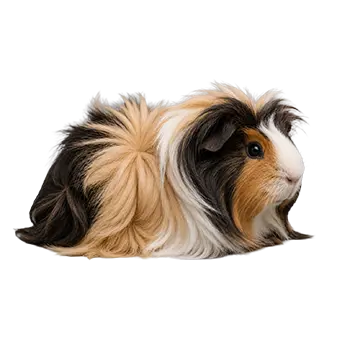
The Sheba Mini Yak's long, rosetted coat picks up bedding, hay fragments, and moisture more readily than short-haired breeds, making spacious housing even more important. A cramped cage forces the guinea pig to sit in soiled bedding for longer periods, leading to matted fur, skin irritation, and potential fungal infections. Ample floor space allows your Sheba Mini Yak to move away from its toilet areas and keep its coat cleaner between grooming sessions.

Height is less critical than floor area for guinea pigs, which are ground-dwelling animals that do not climb. A cage wall height of twelve to fourteen inches is sufficient to prevent escapes while maintaining good ventilation. Avoid multi-level cages with ramps, as guinea pigs can injure themselves on steep inclines, and the upper levels rarely provide the kind of open running space they prefer.

When planning your cage placement, account for the surrounding environment as well. Guinea pigs need a quiet area away from direct sunlight, heating vents, and drafts. The cage should be elevated off the floor on a table or stand to protect against cold drafts at ground level and to make daily interaction and maintenance more convenient.

Cage Types & Materials

C&C cages — modular enclosures built from storage cube grids and corrugated plastic liners — have become the standard among experienced guinea pig owners for good reason. They are inexpensive, endlessly customizable, and easy to expand as your herd grows. The open-top design provides excellent ventilation, and the grid panels allow your Sheba Mini Yak to see its surroundings, reducing stress and encouraging social behavior.

Commercial pet store cages are almost universally too small for guinea pigs. Most marketed as suitable for cavies offer four to five square feet of floor space at best, which is inadequate even for a single animal. If you do opt for a commercial cage, look for the largest available option and be prepared to supplement with a dedicated floor-time play area to compensate for the limited living space.

Avoid wire-bottom cages entirely. Guinea pigs have sensitive feet with no protective pads, and wire flooring causes painful sores known as bumblefoot. This condition is difficult to treat once established and can lead to chronic lameness. The cage floor must be solid — corrugated plastic, melamine board, or a smooth plastic tray are all appropriate options.

Wood enclosures can work well but require sealing to prevent urine absorption into the grain. Untreated wood will quickly become saturated, producing persistent odor and harboring bacteria regardless of how frequently the bedding is changed. Marine-grade sealant or multiple coats of pet-safe waterproofing applied to all interior surfaces will extend the life of a wooden enclosure significantly.

Bedding & Substrate

Bedding choice has an outsized impact on the Sheba Mini Yak's coat condition. This breed's long, flowing rosettes drag through whatever substrate lines the cage floor, so the bedding must be absorbent, low-dust, and unlikely to tangle in the fur. Paper-based bedding is the most popular option among long-haired guinea pig owners because it is soft, highly absorbent, and produces minimal dust compared to wood shavings.

Fleece liners offer an increasingly popular alternative that eliminates loose bedding entirely. A properly prepared fleece liner wicks moisture through to an absorbent layer beneath, keeping the surface dry and your guinea pig's coat clean. Fleece must be washed and dried several times before first use to activate its wicking properties, and it requires daily spot-cleaning and full washing every three to four days to prevent ammonia buildup.

Cedar and pine shavings should be avoided completely. These softwood shavings release aromatic phenols that cause respiratory irritation and liver damage in small animals. Kiln-dried pine is considered safer because the drying process reduces phenol content, but paper and fleece remain superior choices for a long-coated breed that spends so much time in direct contact with its substrate.

Regardless of which bedding you choose, plan on a full cage cleaning at least once per week, with spot-cleaning of soiled areas every one to two days. Guinea pigs produce a surprising volume of waste relative to their size, and the Sheba Mini Yak's coat will telegraph a neglected cage long before the smell becomes noticeable to you. A clean cage is the single most effective measure for maintaining coat quality between grooming sessions.

Outdoor Enclosures

Outdoor playtime provides valuable exercise, mental stimulation, and access to natural sunlight for vitamin D synthesis. A secure outdoor run with a solid bottom panel or mesh skirt prevents digging escapes and protects against predators approaching from below. The enclosure must have a covered top as well — guinea pigs are prey animals targeted by hawks, cats, and other predators even in suburban settings.

The Sheba Mini Yak's long coat presents specific challenges outdoors. Grass, twigs, seed heads, and burrs will embed themselves in the rosetted fur within minutes of ground contact. Keeping the outdoor area mowed short and free of debris reduces this problem, but plan on a thorough brushing session after every outdoor excursion regardless of ground preparation.

Temperature is a critical consideration for outdoor time. Guinea pigs tolerate a narrow temperature range, roughly 65 to 75 degrees Fahrenheit, and the Sheba Mini Yak's dense coat makes it more susceptible to overheating than short-haired breeds. Never place an outdoor enclosure in direct sunlight without shade, and bring your guinea pigs inside immediately if temperatures exceed 80 degrees or drop below 60 degrees.

Grass that has been treated with pesticides, herbicides, or chemical fertilizers is toxic to guinea pigs. If you cannot confirm that your lawn is entirely chemical-free, use the outdoor enclosure on a patio or deck with fleece or towels as flooring instead. Even organic lawn treatments can contain compounds that are unsafe for small herbivores, so err on the side of caution.

Climate Considerations

Guinea pigs are highly sensitive to temperature extremes, and the Sheba Mini Yak's thick, rosetted coat amplifies the risk of heat stress. The ideal ambient temperature for guinea pigs is between 65 and 75 degrees Fahrenheit, with humidity levels between 40 and 70 percent. Temperatures above 80 degrees can cause heatstroke, which progresses rapidly and is often fatal in cavies.

In warm climates or during summer months, position the cage in the coolest room of the house, away from windows that receive direct afternoon sun. Ceramic cooling tiles, frozen water bottles wrapped in cloth, and gentle air circulation from a fan directed near — but not directly at — the cage can all help manage temperature. Air conditioning is the most reliable solution and is strongly recommended in regions where summer temperatures routinely exceed 80 degrees indoors.

Cold is less immediately dangerous than heat for the Sheba Mini Yak, whose long coat provides more insulation than short-haired breeds enjoy. However, drafts are a serious concern at any temperature. Position the cage away from exterior doors, single-pane windows, and air conditioning vents that create localized cold spots. A cozy fleece hidey or tunnel inside the cage gives your guinea pig a warm retreat during cooler periods.

Humidity extremes affect both respiratory health and coat condition. Very dry air can cause skin flaking and static in the long coat, while excessive humidity promotes fungal growth on the skin and in the bedding. A simple room hygrometer placed near the cage helps you monitor conditions and respond before problems develop.

Multi-Pet Households

Guinea pigs are social herd animals that thrive in the company of their own kind. A lone guinea pig, regardless of how much human interaction it receives, is likely to experience chronic stress and depression. The ideal arrangement for Sheba Mini Yaks is a same-sex pair or a small group, housed in an enclosure large enough to allow each animal its own personal space while still permitting social contact.

Introductions between unfamiliar guinea pigs should be conducted in a neutral space that neither animal has claimed as territory. Mild dominance behaviors such as rumblestrutting, mounting, and teeth chattering are normal during introductions and do not indicate aggression. Actual fighting — lunging, biting that draws blood, or sustained aggressive chasing — means the pairing is not compatible, and the animals should be separated immediately.

If your household includes other pets such as cats or dogs, the guinea pig enclosure must be fully secured against intrusion. Even a well-meaning dog can injure or fatally stress a guinea pig through exuberant investigation, and cats are natural predators whose presence alone can cause chronic anxiety. A cage with a secure lid and placement in a room that can be closed off from other animals provides the necessary protection.

When housing multiple Sheba Mini Yaks together, provide at least two of every essential resource — two hay racks, two water bottles, two hidey houses — to prevent resource guarding. Even bonded pairs will occasionally squabble over a single food bowl or favorite hiding spot, and having duplicates eliminates the most common triggers for cage-mate conflict.

Always consult a qualified professional before making any health-related decisions. This content is provided for informational reference only and should not replace professional guidance specific to your animal.