
Nutritional Needs

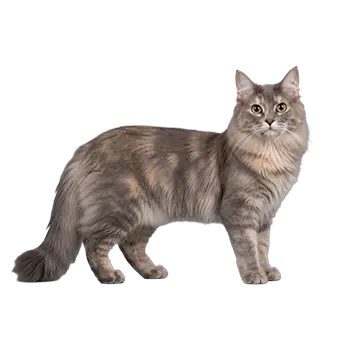
The Tiffanie is a moderately active, medium-to-large cat with a luxurious semi-long coat that demands consistent nutritional support. Protein should form the foundation of her diet, with animal-derived sources listed as the first ingredient on any label. A minimum crude protein content of around thirty percent is a reasonable baseline, though many Tiffanies thrive on formulations closer to forty percent, particularly during their younger, more active years.

Because the Tiffanie's silky coat is one of her most striking features, omega-3 and omega-6 fatty acid content matters more than it does for many shorthaired breeds. These essential fatty acids support skin elasticity, reduce excessive shedding, and contribute to the glossy sheen that distinguishes a well-nourished Tiffanie from one on a subpar diet. Look for foods that include fish oil, flaxseed, or similar sources of these nutrients.

Caloric requirements vary with age, activity level, and whether the cat has been spayed or neutered. Most adult Tiffanies do well on roughly 250 to 350 calories per day, but indoor-only cats on the lower end of the activity spectrum may need less to prevent gradual weight gain. Obesity is a concern with any cat that enjoys food and prefers lounging on laps over chasing toys, so periodic weight checks and body condition scoring are essential.

Tiffanies are not known for an unusually high incidence of food sensitivities, but individual cats can develop intolerances at any age. If you notice digestive irregularities, dull coat, or skin irritation, a limited-ingredient elimination diet supervised by your veterinarian can help identify the offending protein or grain.

What to Look For

The ingredient panel is where the real story of a cat food is told. Named animal proteins — such as chicken, turkey, salmon, or duck — should appear in the first two positions. Vague terms like "meat meal" or "animal by-products" are red flags that indicate lower-quality sourcing. While by-products are not inherently harmful, the lack of specificity makes it impossible to judge the nutritional value or consistency of the product from batch to batch.

Carbohydrate content deserves scrutiny. Cats are obligate carnivores with limited ability to metabolize starches efficiently, so foods that rely heavily on corn, wheat, or soy as filler ingredients deliver calories without proportional nutritional benefit. Moderate amounts of digestible carbohydrates like sweet potato or peas are acceptable, but they should supplement the formula rather than dominate it.

Artificial preservatives, colors, and flavors serve the manufacturer, not the cat. Natural preservatives such as mixed tocopherols and rosemary extract are widely available and perform well enough that there is little reason to accept synthetic alternatives. Similarly, artificial dyes are purely cosmetic — your Tiffanie does not care what color her kibble is.

Finally, consider the guaranteed analysis in context. Crude protein and fat percentages on a dry-matter basis give you the most accurate comparison across wet, dry, and raw formats. A wet food listing twelve percent protein may actually deliver more protein per calorie than a dry food listing thirty percent, because the wet food is mostly water by weight.

Recommended Dry Food Characteristics

A quality dry food for the Tiffanie should prioritize high animal-protein content with moderate fat and controlled carbohydrate levels. Kibble size and shape can matter for cats that tend to gulp their food without chewing — smaller, flatter pieces encourage slower eating and reduce the risk of regurgitation, which is especially relevant for a semi-longhaired cat that already contends with hairball issues.

Look for dry formulas that include added fiber to support hairball management. The Tiffanie's coat, while not as dense as a Persian's, is long enough to create regular hairball concerns, and a food that moves ingested hair through the digestive tract more efficiently can reduce the frequency and severity of these episodes without the need for separate hairball remedies.

Dry food also plays a dental role. While it is not a substitute for professional dental care, kibble with a firm texture can help reduce minor tartar accumulation compared to an all-wet diet. Some formulations are engineered with a specific texture that promotes mechanical scraping of the tooth surface during chewing. For a breed that is not particularly prone to dental disease but benefits from any preventive edge, this is a worthwhile bonus.

Storage matters with dry food. Once opened, a bag should be sealed tightly or transferred to an airtight container to prevent oxidation of fats and loss of palatability. A Tiffanie with a discerning palate may refuse food that has gone stale, and the nutritional value of the fats degrades even before the taste changes noticeably.

Wet & Fresh Options

Wet food offers a hydration advantage that is difficult to replicate with dry food alone. Cats evolved as desert-adapted hunters with a naturally low thirst drive, and many domestic cats — Tiffanies included — do not drink enough water voluntarily to fully support kidney and urinary tract health. A diet that includes at least some wet food helps close this hydration gap and can be particularly beneficial for cats predisposed to urinary issues or those that refuse to drink from a bowl.

Pâté-style wet foods generally contain fewer fillers and thickeners than chunks-in-gravy formulations, though both styles can be nutritionally complete. The choice often comes down to individual preference — some Tiffanies prefer the uniform texture of pâté, while others enjoy licking gravy and picking at shredded pieces. Offering both styles during the initial transition period helps identify your cat's preference without committing to a case of food she may reject.

Fresh and refrigerated cat food options have expanded significantly in recent years. These products typically undergo minimal processing and use whole-food ingredients, which can result in higher digestibility and nutrient bioavailability. The trade-off is a shorter shelf life, higher cost per serving, and the need for refrigeration. For Tiffanie owners who prioritize ingredient transparency and are comfortable with the logistics, fresh food can be an excellent component of a balanced diet.

Raw feeding is a separate consideration with its own set of benefits and risks. If you choose to explore raw diets, work with a veterinary nutritionist to ensure the formulation meets all of your Tiffanie's macro and micronutrient needs. Homemade raw diets prepared without professional guidance frequently lack taurine, calcium, or other critical nutrients.

Treats & Supplements

Treats should constitute no more than ten percent of your Tiffanie's daily caloric intake. It is easy to underestimate how quickly treat calories accumulate, especially with freeze-dried meat treats that are calorie-dense despite their small size. Keeping a rough mental tally — or measuring treats out at the beginning of the day — prevents accidental overfeeding while still allowing you to use treats for bonding and positive reinforcement.

Single-ingredient freeze-dried treats are among the healthiest options available. They contain no fillers, artificial additives, or excessive carbohydrates, and most cats find them highly palatable. Freeze-dried chicken, salmon, or shrimp are popular choices that align well with a Tiffanie's protein-focused nutritional needs.

Supplements should be added only when there is a demonstrated need, not as a default precaution. Omega-3 fish oil is the most commonly beneficial supplement for Tiffanies, supporting coat quality and joint health. Probiotics can be helpful during dietary transitions or after antibiotic treatment. Lysine supplements are sometimes recommended for cats prone to upper respiratory flare-ups, though the evidence for their efficacy is mixed.

Avoid supplements that duplicate nutrients already present in adequate amounts in your cat's primary food. Over-supplementation of fat-soluble vitamins like A and D can cause toxicity, and excessive calcium can interfere with the absorption of other minerals. When in doubt, consult your veterinarian before adding any supplement to your Tiffanie's regimen.

Foods to Avoid

Certain human foods are toxic to cats and should never be accessible to your Tiffanie, regardless of how politely she requests a taste. Onions, garlic, chives, and leeks — in any form, including powdered — can damage red blood cells and cause hemolytic anemia. Grapes and raisins carry a risk of acute kidney failure, and even small amounts of chocolate contain theobromine, which cats metabolize far more slowly than humans.

Lilies are not a food, but they deserve mention here because ingestion of any part of a true lily — including pollen that a cat may lick from her fur — can cause fatal kidney failure within days. Tiffanies are curious and social cats that may investigate flower arrangements, so lily-free homes are a non-negotiable safety measure.

Raw eggs, raw fish, and raw meat carry bacterial risks including salmonella and listeria. While some raw-feeding advocates argue that cats can handle these pathogens better than humans, immunocompromised cats, kittens, and senior Tiffanies are at genuine risk. If you feed raw, source from reputable suppliers and follow strict handling protocols.

Dairy products are poorly tolerated by most adult cats due to lactose intolerance. Despite the cultural image of a cat lapping up a saucer of milk, the reality is that dairy frequently causes diarrhea, gas, and abdominal discomfort. Small amounts of plain yogurt or hard cheese are less problematic because fermentation and aging reduce lactose content, but these should be occasional indulgences, not dietary staples.

Feeding Schedule

Most adult Tiffanies do well on two measured meals per day, typically morning and evening. This schedule aligns with the natural feline pattern of eating smaller meals at dawn and dusk, and it provides structure that helps prevent overeating. Kittens under six months need three to four smaller meals daily to support their rapid growth and high metabolic rate, transitioning to twice-daily feeding as they approach their first birthday.

Free-feeding — leaving dry food available at all times — is convenient but problematic for a breed that can be prone to weight gain when activity levels drop. Without portion control, it becomes difficult to monitor how much your Tiffanie is actually eating, which also delays detection of appetite changes that could signal a health issue. If your schedule makes twice-daily feeding impractical, timed automatic feeders offer a compromise that maintains portion control without requiring your physical presence.

Consistency matters. Cats are creatures of routine, and the Tiffanie's somewhat sensitive disposition means that abrupt changes to feeding times or locations can cause stress-related appetite loss. If you need to adjust the schedule, do so gradually over the course of a week rather than all at once.

Water should be available at all times, refreshed at least once daily, and placed away from the food bowl — cats instinctively prefer to drink away from their food source. Many Tiffanies show a strong preference for running water, so a circulating fountain may encourage better hydration habits compared to a static bowl.

Always consult a qualified professional before making any health-related decisions. This content is provided for informational reference only and should not replace professional guidance specific to your animal.