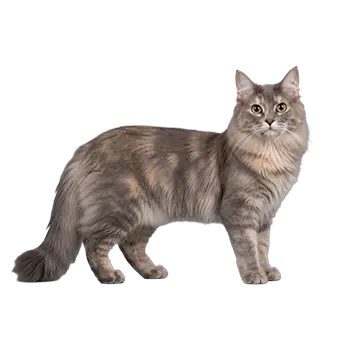

Play Style & Drive

The Tiffanie inherits a playful, curious nature from her Burmese ancestry, combined with a slightly more relaxed energy level that keeps her from being as relentlessly active as some Oriental breeds. She tends to engage in focused bursts of play followed by extended lounging sessions, which means the best toy strategy is one that capitalizes on those active windows rather than expecting sustained marathon play sessions.

Most Tiffanies show a strong prey drive oriented toward small, fast-moving objects. Feathered toys, small plush mice, and anything that skitters unpredictably across a hard floor will typically trigger an enthusiastic stalk-pounce-capture sequence. This breed often carries captured toys around in her mouth, sometimes delivering them to her owner as a social gesture — a behavior worth encouraging because it reinforces the human-cat bond through shared play.

Intelligence is a defining trait, and the Tiffanie can grow bored with toys that offer no challenge or variation. A toy that delights her on Monday may be completely ignored by Wednesday if it behaves the same way every time. Rotating toys on a weekly schedule — keeping three or four out while the rest are stored away — maintains novelty without requiring a constantly expanding collection.

Pay attention to your individual cat's preferences. Some Tiffanies are aerial hunters who prefer toys dangled above them, while others are ground hunters who track and chase along floor level. Observing which style generates the most intense engagement helps you invest in the right category rather than accumulating toys that go unused.

Interactive & Puzzle Toys

Interactive toys that require human participation are the gold standard for a sociable breed like the Tiffanie. Wand toys with feathered or fabric attachments allow you to control the speed, direction, and behavior of the lure, creating a realistic prey simulation that satisfies hunting instincts far better than any autonomous toy can. The key is mimicking actual prey behavior — erratic movements, pauses, sudden direction changes, and occasional hiding behind furniture — rather than simply waving the wand back and forth.

Puzzle feeders serve double duty as both enrichment and weight management tools. These devices require the cat to manipulate levers, slide panels, or paw kibble through openings to access food, turning mealtime into a cognitive challenge. Start with simple designs and increase complexity as your Tiffanie masters each level. Most Tiffanies take to puzzle feeders readily thanks to their intelligence, but a cat that has never encountered one may need an introductory period with the puzzle partially solved to avoid frustration.

Treat-dispensing balls and rolling puzzle toys add a physical component to the mental challenge, requiring the cat to bat, roll, and chase the toy to release treats. These are particularly valuable for Tiffanies that spend time home alone, because they provide stimulation and reward without requiring a human play partner. Adjust the difficulty so that treats dispense frequently enough to maintain interest — a toy that is too stingy with rewards will be abandoned.

Electronic interactive toys — laser projectors, automated feather spinners, and app-controlled devices — can supplement but should not replace hands-on play. The Tiffanie craves social interaction, and a toy that operates without human involvement does not fulfill her need for companionship. Use automated toys as a bridge during work hours, but prioritize direct interactive play when you are home.

Chew Toys & Durability

Cats are not typically aggressive chewers in the way dogs are, but many Tiffanies enjoy gnawing on soft toys, kicking them with their hind legs, and carrying them around. Durability matters less in terms of jaw strength and more in terms of resistance to repeated grabbing, bunny-kicking, and being dragged across floors. Toys with reinforced stitching and double-layered fabric last significantly longer than cheaply constructed alternatives.

Catnip-filled toys are a natural fit for chewing and kicking behavior. Not all cats respond to catnip — sensitivity is genetic and affects roughly sixty to seventy percent of the feline population — but those that do typically enter a period of intense rolling, rubbing, and playful aggression that provides excellent physical and mental stimulation. If your Tiffanie is not responsive to catnip, silvervine and valerian root are alternative attractants that trigger similar responses in many catnip-insensitive cats.

Safety should guide your material choices. Avoid toys with small parts that can be chewed off and swallowed — plastic eyes, glued-on noses, and tiny bells inside thin fabric shells are all choking hazards. Ribbon and string attachments are popular with cats but should only be available during supervised play, because ingested string can cause life-threatening intestinal obstructions. The Tiffanie's tendency to carry toys in her mouth increases the risk of accidental ingestion compared to cats that only bat at toys with their paws.

Dental chew toys designed specifically for cats can support oral health, though they are not a substitute for veterinary dental care. Look for products made from food-grade materials with a texture firm enough to provide gentle abrasion against the tooth surface but soft enough to avoid cracking teeth.

Chase & Pounce Toys

The Tiffanie's prey drive makes chase toys among the most consistently engaging options in her rotation. Small, lightweight toys that slide easily across hard floors — felt mice, crinkle balls, and spring toys — trigger the stalk-and-pounce sequence that forms the core of feline hunting behavior. The unpredictable trajectory of a crinkle ball on a tile floor can hold a Tiffanie's attention far longer than a plush toy that moves in a straight line and stops.

Track-style toys with balls enclosed in a circular or figure-eight channel provide chase stimulation that the cat can initiate independently. These are excellent solo-play options because they allow the cat to bat the ball and watch it race through the track without the ball ever escaping under furniture — a common frustration with loose balls on open floors. Multi-level track toys add visual interest and slightly more complex batting angles.

Laser pointers remain popular but come with an important caveat: the cat can never actually catch the dot. For a breed with a strong capture drive like the Tiffanie, ending a laser session without a tangible catch can create frustration and anxiety over time. If you use a laser pointer, always finish the session by landing the dot on a physical toy or treat that the cat can grab, providing the satisfying conclusion to the hunt that the laser alone cannot deliver.

Motion-activated toys that start moving when the cat approaches add an element of surprise that refreshes interest in a familiar toy. Battery-operated mice that zip across the floor on contact, vibrating toys that activate when touched, and toys with sensors that trigger sound or movement all capitalize on the Tiffanie's curiosity and quick reflexes.

Comfort & Companion Toys

Not all toys need to stimulate hunting behavior. The Tiffanie's gentle, affectionate nature means she may form attachments to specific comfort objects — soft plush toys that she sleeps with, grooms, and carries to her bed. These companion toys serve an emotional rather than physical function, and many Tiffanies will select a favorite that remains in rotation long after more exciting toys have been discarded.

Kicker toys — elongated plush toys roughly the size of the cat's torso — are designed for the bunny-kick behavior where a cat grabs the toy with her front paws and rakes it with her hind legs. This behavior is both a hunting reflex and a stress-relief mechanism, making kicker toys valuable for cats that experience occasional anxiety from environmental changes, new visitors, or disruptions to routine. A good kicker toy has a durable exterior, some weight to it, and optionally contains catnip or silvervine to increase engagement.

Heated plush toys can provide comfort for Tiffanies that are left alone during the day. Some products include a microwaveable heat insert that radiates gentle warmth for hours, mimicking the presence of a sleeping companion. Others use battery-powered warmers with automatic shutoffs for safety. These are particularly useful for single-cat households where the Tiffanie cannot snuggle with a feline companion during her owner's absence.

Sensory toys that crinkle, rattle quietly, or contain different textures appeal to the Tiffanie's tactile curiosity. Multi-texture toys with a mix of smooth fabric, ribbed sections, and fuzzy patches provide varied sensory input that holds interest longer than uniform-texture alternatives. The sound component should be subtle rather than loud — most cats prefer a soft crinkle or rattle over startling noises.

DIY & Budget Options

Some of the most engaging cat toys cost nothing at all. A crumpled ball of paper tossed across a hard floor activates the same chase instincts as an expensive crinkle ball, and most Tiffanies will happily bat a paper ball around for extended sessions. Cardboard boxes — especially with holes cut in the sides for peeking and paw-swiping — provide hiding, ambush, and scratching opportunities that rival commercial alternatives.

Paper bags with the handles removed make excellent temporary play tunnels and hideouts. The crinkling sound of the bag as the cat moves inside adds auditory stimulation, and the lightweight material allows the cat to pounce on the bag from outside, creating movement that draws her back in. Avoid plastic bags entirely, as they pose suffocation and ingestion risks.

Homemade puzzle feeders can be assembled from items already in your home. An empty toilet paper roll with the ends folded shut and a few kibble-sized holes punched in the sides becomes a rolling treat dispenser. A muffin tin with kibble placed in several cups and tennis balls covering each cup creates a simple paw-fishing challenge. An egg carton with treats placed in the compartments and the lid partially closed offers a different manipulation puzzle.

DIY wand toys made from a wooden dowel, a length of string, and a bundle of feathers or fabric scraps can be as effective as commercial versions. The advantage of homemade wands is that replacement lures cost almost nothing, so you can swap them frequently to maintain novelty. Always supervise string-based toys and store them out of reach when not in active use — the risk of string ingestion applies equally to homemade and commercial products.

Always consult a qualified professional before making any health-related decisions. This content is provided for informational reference only and should not replace professional guidance specific to your animal.