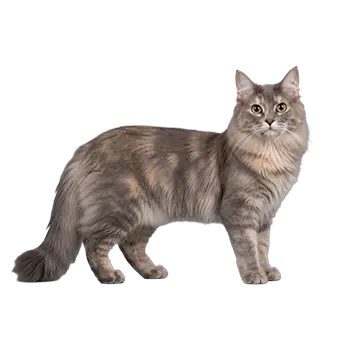

Activity & Health Monitors

Wearable activity monitors designed for cats attach to the collar and track movement patterns, rest cycles, and caloric expenditure throughout the day. For a Tiffanie — a breed that alternates between spirited play sessions and extended naps — this data helps establish a baseline of normal activity that makes it easier to detect subtle changes that could indicate illness, pain, or emotional distress. A cat that typically logs four to five hours of active time per day but suddenly drops to two is sending a signal worth investigating, even if she appears otherwise normal.

Most pet activity monitors sync with a smartphone app that displays trends over days, weeks, and months. Long-term trend data is more diagnostically useful than any single day's snapshot, because natural variation in daily activity is normal. Look for apps that present data in clear, accessible charts and allow you to set custom alerts when activity falls below or exceeds thresholds you define based on your Tiffanie's established patterns.

Some monitors combine activity tracking with additional health metrics such as ambient temperature exposure, scratching frequency, and litter box visit counts. These multi-sensor devices provide a more complete picture of daily life, though they are generally more expensive and may require charging more frequently due to the increased processing demands. Evaluate whether the additional metrics are relevant to your situation — a healthy young Tiffanie may not need litter box visit tracking, while a senior cat with a history of urinary issues would benefit from it.

Comfort and weight are critical selection factors. A monitor that is too heavy or bulky will bother a cat that is sensitive to changes in her collar, and the Tiffanie's silky coat can make poorly designed clip-on devices difficult to secure. Models weighing under fifteen grams with a low-profile design generally perform best on cats, staying in place without affecting movement or grooming.

GPS & Location Tracking

GPS tracking devices are most relevant for Tiffanies that have any form of outdoor access, whether supervised catio time, leash walks, or — despite the risks — free-roaming privileges. A GPS tracker attached to the collar provides real-time location data through a companion app, allowing you to monitor your cat's whereabouts and set geofence alerts that notify you if she leaves a predefined safe zone. For an indoor cat that occasionally slips through an open door, a GPS tracker can mean the difference between a quick recovery and a prolonged, stressful search.

Cellular-based GPS trackers offer broader coverage than Bluetooth-only devices, which typically lose signal beyond a hundred feet or so. Cellular trackers use mobile network connectivity to transmit location data, meaning they work anywhere with cell coverage regardless of distance from your phone. The trade-off is a monthly subscription fee for the cellular service, which ranges from modest to moderate depending on the provider and plan.

Battery life varies significantly between devices and is affected by how frequently the tracker updates its position. Real-time tracking with updates every few seconds drains the battery quickly, while interval-based tracking with updates every few minutes extends battery life considerably. For a cat that spends most of her time indoors with occasional supervised outdoor sessions, interval tracking is usually sufficient — you do not need second-by-second updates for a cat in a catio, but you want rapid tracking available if she escapes.

Size and weight are even more critical for GPS devices than for activity monitors, because GPS hardware tends to be larger and heavier. A tracker that weighs more than a few percent of the cat's body weight can affect her gait, comfort, and willingness to wear the collar. Several manufacturers now produce cat-specific GPS units that are substantially smaller and lighter than dog versions, and these are the only appropriate options for a Tiffanie.

Smart Feeders & Water Devices

Smart feeders combine the portion-control benefits of automatic feeders with app-based scheduling, monitoring, and customization. Through a smartphone app, you can set feeding times, adjust portion sizes, and review feeding logs that show when and how much your Tiffanie ate. This remote visibility is valuable for owners who work away from home, because a cat that skips a meal is often communicating a health issue that benefits from early attention.

Microchip-activated feeders solve the multi-cat meal-stealing problem by restricting access to a specific cat based on her implanted microchip or a paired RFID collar tag. The feeder lid opens only when the registered cat approaches and closes when she walks away, preventing other household pets from eating her food. This is particularly important for Tiffanies on a prescription diet, a weight-management plan, or any specialized feeding protocol that differs from what other cats in the home receive.

Smart water fountains monitor daily water consumption and alert you when intake drops below normal levels. Since cats are prone to chronic dehydration and the Tiffanie is no exception, consumption tracking adds a layer of health monitoring that a standard fountain cannot provide. Some smart fountains also track filter status and water level, sending reminders when the filter needs replacement or the reservoir needs refilling.

Connectivity reliability matters with any smart device. Wi-Fi-dependent feeders and fountains can fail if your home network drops, potentially leaving your cat without access to food or water. Look for devices that maintain their programmed schedule locally even when the internet connection is lost, using the app for monitoring and adjustments but not depending on it for basic operation. Battery backup or dual-power capability adds another layer of reliability.

Cameras & Home Monitoring

Pet cameras allow you to observe your Tiffanie when you are away from home, providing both peace of mind and practical information about her behavior during unsupervised hours. A cat that seems perfectly content when you are present may exhibit stress behaviors — excessive grooming, pacing, vocalization, or destructive scratching — when left alone, and you would never know without visual monitoring. For the Tiffanie, a breed known for strong human attachment, separation-related behavior is worth watching for.

Two-way audio capability lets you speak to your cat through the camera's speaker. While the practical value of talking to a cat through a device is debatable, many Tiffanie owners report that their cats respond positively to hearing a familiar voice during the day. Some cameras also include a treat-dispensing feature that allows you to remotely reward calm behavior or simply provide a mid-day snack, adding an interactive element to what would otherwise be passive surveillance.

Camera placement should cover the areas where your Tiffanie spends the most time — typically near her primary sleeping spot, food station, and favorite window perch. Night-vision capability is essential because cats are crepuscular and do much of their most interesting activity during dawn, dusk, and nighttime hours. A camera without infrared or low-light capability misses the majority of a cat's active periods if you are monitoring during a workday.

Privacy and data security deserve consideration with any internet-connected camera in your home. Choose devices from manufacturers with clear data policies, support for local storage options rather than mandatory cloud recording, and regular firmware update cycles. End-to-end encryption for video streams and two-factor authentication for app access are baseline security features that should not be treated as optional.

Training Technology

Clicker training apps and electronic clickers offer a modern take on a proven positive-reinforcement technique that works well with intelligent, food-motivated breeds like the Tiffanie. A clicker — whether physical or app-based — produces a consistent, distinct sound that marks the exact moment a desired behavior occurs, creating a clear association between the action and the subsequent treat reward. Electronic clickers with adjustable volume and tone can be customized to your cat's hearing sensitivity.

Automated laser toys and motion-activated play devices can reinforce activity and engagement during the hours you are away, though they should be considered training supplements rather than primary training tools. A laser toy that activates at random intervals throughout the day encourages a sedentary Tiffanie to move, but it does not teach specific behaviors or build the human-cat training bond that direct clicker work does.

Deterrent devices that use motion-activated compressed air, ultrasonic sound, or vibration to discourage cats from accessing countertops, certain rooms, or off-limits areas offer a hands-off training approach for boundary setting. These devices work by creating a mild startling stimulus when the cat enters a restricted zone, and most cats — including the typically quick-learning Tiffanie — associate the zone with the unpleasant stimulus within a few encounters and begin avoiding it voluntarily. Position sensors carefully to avoid activating during normal, permitted movement patterns.

Training-focused camera systems combine monitoring with AI-powered behavior detection, alerting you when your cat engages in specific behaviors such as scratching furniture, jumping on counters, or entering restricted areas. These systems can help identify behavior patterns and timing, allowing you to address the underlying cause — boredom, territorial marking, attention-seeking — rather than simply punishing the symptom. For a Tiffanie, unwanted behaviors often stem from insufficient social interaction, and the solution is more engagement rather than more technology.

Veterinary Telehealth

Veterinary telehealth platforms connect you with licensed veterinarians through video calls, chat, or phone consultations, providing professional guidance without the stress and logistics of an in-person clinic visit. For non-emergency concerns — a minor limp, a change in appetite, a new skin irritation — telehealth offers a convenient first-line assessment that helps you determine whether an in-person visit is necessary or whether the issue can be managed at home with professional guidance.

The practical value for Tiffanie owners is significant because this breed, while generally social, can find veterinary clinic visits stressful. The unfamiliar smells, sounds, and handling at a clinic can elevate stress hormones and confuse diagnostic readings such as heart rate and blood pressure. Telehealth consultations allow the veterinarian to observe your cat in her home environment, where her baseline behavior is visible and stress artifacts are minimized.

Subscription-based telehealth services typically offer unlimited consultations for a monthly or annual fee, while pay-per-visit platforms charge per session. Subscription models make sense for owners who anticipate frequent consultations — new kitten owners, senior cat caregivers, or multi-cat households — while per-visit pricing suits owners who expect to use the service only occasionally. Evaluate whether the platform's veterinarians are licensed in your state or country, as licensing requirements vary by jurisdiction.

Telehealth has clear limitations. It cannot replace physical examination, diagnostic imaging, blood work, or any procedure requiring hands-on veterinary contact. Use it as a triage and advice tool, not as a substitute for a veterinary relationship. The best outcomes come from pairing a regular in-person veterinarian who knows your Tiffanie's history with a telehealth service that handles the quick questions and after-hours concerns that do not warrant an emergency clinic visit.

Always consult a qualified professional before making any health-related decisions. This content is provided for informational reference only and should not replace professional guidance specific to your animal.