
Play Style & Drive

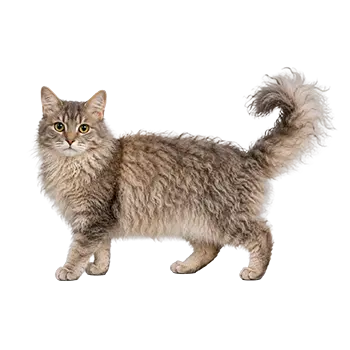
The LaPerm is a naturally inquisitive and playful breed that retains a kitten-like enthusiasm for interactive play well into adulthood. These cats are agile and quick, with a strong prey drive that responds enthusiastically to toys that mimic the erratic movements of small birds, insects, and rodents. Understanding this prey-driven play style is key to selecting toys that genuinely engage a LaPerm rather than collecting dust in a corner.

LaPerms tend to be participatory players, meaning they prefer toys that involve their human companion in the action. Solitary toys have their place, but the deepest engagement typically occurs during interactive sessions where the owner controls the movement pattern of a wand toy or laser pointer. This social dimension of play also strengthens the bond between cat and owner and provides an outlet for the LaPerm's affectionate nature.

Play sessions serve multiple functions beyond entertainment. Regular interactive play helps manage weight, supports cardiovascular health, reduces anxiety and stress-related behaviors, and provides an appropriate outlet for hunting instincts that might otherwise be directed at household objects or other pets. For indoor LaPerms, structured play is one of the most effective tools for preventing boredom-related behavioral issues such as excessive vocalization, furniture scratching, or overgrooming.

Aim for at least two dedicated play sessions per day, each lasting 10 to 15 minutes. The ideal session mimics a natural hunting sequence — stalking, chasing, pouncing, and capturing — followed by a cool-down period and a small treat to simulate the satisfaction of a successful hunt. This cycle aligns with the cat's instinctive behavioral pattern and produces a more fulfilling play experience.

Interactive & Puzzle Toys

Puzzle toys challenge the LaPerm's intelligence and reward problem-solving with treats or kibble. These toys typically require the cat to manipulate sliders, lift covers, or reach into compartments to access hidden food. For a breed as mentally sharp as the LaPerm, puzzle feeders provide cognitive enrichment that straight-from-the-bowl feeding simply cannot match.

Start with simpler puzzle designs and progress to more complex options as the cat develops its skills. A basic treat ball that dispenses food when batted across the floor is an excellent entry point. From there, multi-stage puzzles with sliding panels and tiered compartments offer increasing difficulty. Rotating puzzles periodically — rather than leaving the same one out indefinitely — prevents the cat from losing interest once it has fully mastered the mechanism.

Interactive electronic toys that move autonomously can provide stimulation when the owner is unavailable for hands-on play. Motorized mice, wobbling feather spinners, and track-based ball toys generate unpredictable motion that triggers the LaPerm's prey response. Look for options with variable speed settings and automatic shutoff timers to prevent overstimulation and conserve battery life.

Food-dispensing mats and lick mats offer a different type of mental engagement. Spreading wet food or a thin layer of a cat-safe paste across the textured surface of a lick mat slows eating and encourages focused licking, which can have a calming effect. These are particularly useful for mealtime enrichment or as a soothing activity during stressful events like thunderstorms or household visitors.

Wand Toys & Teasers

Wand toys are the gold standard for interactive play with a LaPerm. A well-made wand toy consists of a flexible rod, a length of string or elastic cord, and an attachment that mimics prey — feathers, fabric strips, or small plush shapes. The owner's ability to control the movement of the lure transforms it from a static object into a convincingly alive target that activates the cat's full hunting repertoire.

Effective wand play requires the owner to think like prey. Move the lure away from the cat rather than toward it, mimicking the escape behavior of a bird or mouse. Use darting, pausing, and fluttering motions to keep the cat's attention engaged. Allow the cat to catch the lure periodically — a play session where the cat never succeeds becomes frustrating rather than satisfying. The rhythm of chase, near-miss, and eventual capture is what keeps the LaPerm invested.

Durability is an important factor when selecting wand toys. LaPerms can be vigorous players, and flimsy attachments may be destroyed within a single session. Look for reinforced attachment points and replaceable lure heads so that the wand base can be reused over time. Always store wand toys out of reach when not in use, as unsupervised play with strings and elastic cords poses a choking and entanglement hazard.

Teaser toys — shorter, handheld versions of wand toys — are useful for close-range play and training. These compact options work well in smaller spaces and allow for more precise control of the lure's movement. They are also effective tools for redirecting a LaPerm's attention away from inappropriate targets like hands, feet, or other pets.

Chew Toys & Dental Health

While cats are not typically heavy chewers compared to dogs, many LaPerms enjoy gnawing on textured toys that provide oral stimulation. Chew toys designed for cats are usually made from compressed catnip, natural rubber, or woven fabric and are sized appropriately for a cat's smaller jaw. These toys can help satisfy the urge to chew while providing a mild dental benefit through mechanical action against the teeth and gums.

Catnip-infused chew toys are particularly effective for LaPerms that respond to nepetalactone, the active compound in catnip. Roughly 60 to 70 percent of cats carry the gene that produces a behavioral response to catnip, which typically manifests as rolling, rubbing, and animated play. For cats that are not catnip-responsive, silvervine and valerian root offer alternative botanical attractants that may produce a similar effect.

Dental-specific toys featuring mesh textures or nubbed surfaces can help reduce minor plaque buildup, though they should not be considered a substitute for regular veterinary dental care. These toys work best as a supplement within a broader dental hygiene routine that includes professional cleanings and, for some cats, tooth brushing or dental water additives.

Always inspect chew toys regularly for signs of wear. Small pieces that break off from deteriorating toys can be swallowed and pose a gastrointestinal obstruction risk. Replace any toy that shows significant fraying, crumbling, or structural damage. Natural rubber and fabric toys tend to degrade more quickly than hard plastic options, so monitoring their condition is especially important.

Comfort & Companion Toys

Comfort toys serve a different purpose than active play items. These are soft, plush objects that a cat may carry, knead, groom, or sleep beside. LaPerms, with their affectionate and people-oriented temperament, often form attachments to specific comfort toys that serve as surrogate companions during periods when their owner is away from home.

Kicker toys — elongated plush shapes designed to be gripped with the front paws and kicked with the hind legs — satisfy a specific play behavior rooted in the hunting instinct. Cats in the wild use the hind-leg rake to subdue prey, and kicker toys allow this behavior to be expressed safely. Look for kicker toys that are sturdy enough to withstand repeated bunny-kicking without splitting at the seams.

For LaPerms that experience separation anxiety or stress during travel, a familiar comfort toy can provide a grounding point. Including the cat's preferred plush toy in a carrier during veterinary visits or in a new environment during a move helps reduce anxiety by providing a scent-familiar object. Some owners rub the toy against their own skin to transfer their scent, adding another layer of reassurance for the cat.

Crinkle toys — soft toys with an internal crinkle material that produces a rustling sound when touched — combine comfort and sensory stimulation. The sound mimics the rustling of small prey in leaves or underbrush, which can trigger light play behavior even in a relaxed cat. These are effective for low-energy engagement during wind-down periods before sleep.

DIY & Budget Options

Not every effective cat toy requires a purchase. LaPerms are highly responsive to simple, homemade enrichment options that cost little or nothing. A crumpled ball of paper, a cardboard box with holes cut in the sides, or a paper bag with the handles removed can provide substantial entertainment for a curious LaPerm. The novelty of everyday objects often captivates cats more effectively than expensive commercial products.

Cardboard boxes deserve special mention as one of the most universally appealing cat enrichment items. Stack multiple boxes to create a multi-level fort, cut connecting holes between them, and scatter treats inside to create an instant exploration maze. Replace the boxes every week or two as they wear out, and the novelty factor resets each time. This approach provides climbing, hiding, and foraging enrichment at virtually no cost.

DIY puzzle feeders can be constructed from common household items. A muffin tin with treats placed in the cups and tennis balls set on top creates a simple extraction puzzle. Toilet paper rolls with the ends folded shut and a few kibble pieces inside become disposable foraging toys. An empty plastic water bottle with small holes drilled in the sides and a handful of dry treats inside functions as a basic rolling dispenser.

Rotating toys is one of the most effective and completely free enrichment strategies available. Rather than leaving all toys out at once, keep half stored away and swap the available selection every few days. Toys that have been out of circulation for a while regain their novelty when reintroduced, effectively multiplying your toy inventory without additional purchases. This approach is especially useful for keeping a LaPerm's keen mind consistently engaged.

Always consult a qualified professional before making any health-related decisions. This content is provided for informational reference only and should not replace professional guidance specific to your animal.