
Nutritional Needs

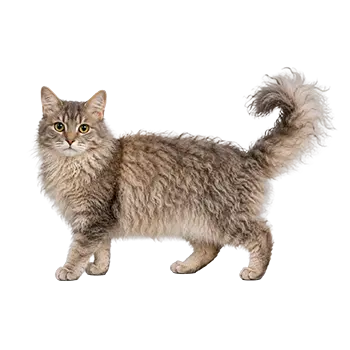
The LaPerm is a medium-sized cat with a moderately active metabolism and a distinctive curly coat that benefits from proper nutritional support. Like all cats, the LaPerm is an obligate carnivore, meaning animal-based protein should form the foundation of every meal. A diet rich in high-quality protein supports lean muscle maintenance, healthy organ function, and the overall vitality that keeps this breed playful well into its senior years.

Because the LaPerm's signature curls rely on healthy hair follicles and consistent keratin production, nutrition plays a direct role in coat quality. Diets that include adequate levels of omega-3 and omega-6 fatty acids help maintain the softness and spring of the curls while reducing the likelihood of dry, brittle fur. Amino acids such as taurine and methionine are also essential — taurine supports cardiac and eye health, while methionine contributes to coat and skin integrity.

Caloric requirements for the LaPerm typically fall in the moderate range, though individual needs vary based on age, activity level, and whether the cat has been spayed or neutered. Indoor LaPerms that are less active may need slightly reduced portions to avoid gradual weight gain, while younger and more active individuals may require a bit more fuel. Monitoring body condition regularly and adjusting portions accordingly is the most reliable approach to maintaining a healthy weight.

Hydration is another important consideration. Cats in general have a low thirst drive, and the LaPerm is no exception. Incorporating moisture-rich foods into the diet — whether through wet food, fresh food, or hydrating toppers — can help support kidney function and urinary tract health over the long term.

What to Look For

When evaluating cat food for a LaPerm, the ingredient list tells the most important story. Look for a named animal protein as the first ingredient — options like chicken, turkey, salmon, or duck indicate that real meat forms the base of the formula. Avoid products that lead with vague terms like "meat meal" or "animal by-products," as these offer less transparency about protein quality and sourcing.

The guaranteed analysis panel provides a snapshot of macronutrient content. For most adult LaPerms, a minimum crude protein of 30 percent or higher on a dry-matter basis is a solid benchmark, with moderate fat levels in the range of 12 to 20 percent depending on the cat's activity level. Carbohydrate content should be relatively low, as cats lack the enzymatic pathways to efficiently process large amounts of starch and plant-based fillers.

Artificial preservatives, synthetic dyes, and unnecessary flavor enhancers are best avoided. These additives offer no nutritional value and may contribute to digestive sensitivity in some cats. Instead, look for formulas preserved with natural antioxidants like mixed tocopherols or rosemary extract. Similarly, grain-free formulas are not automatically superior — the key is whether the carbohydrate sources used are digestible and present in moderate amounts.

Finally, consider the manufacturer's quality control standards. Companies that conduct feeding trials, source ingredients transparently, and employ veterinary nutritionists in formula development tend to produce more reliable and consistent products. These details are often available on the manufacturer's website or packaging.

Recommended Dry Food

Dry kibble remains the most convenient and shelf-stable option for daily feeding. For the LaPerm, look for a high-protein kibble with a named meat source as the primary ingredient and minimal reliance on corn, wheat, or soy as filler. A well-formulated dry food should deliver complete and balanced nutrition certified to meet established feline dietary standards.

Kibble size and texture can matter more than owners might expect. Medium-sized kibble pieces encourage chewing, which provides a mild dental benefit by helping to reduce surface plaque accumulation. Some LaPerms are enthusiastic eaters that gulp food quickly, so kibble designed to slow consumption — through shape or texture — can reduce the risk of regurgitation and support healthier digestion.

If your LaPerm is prone to weight gain, consider a formula specifically designed for weight management or indoor cats. These formulas typically offer slightly reduced caloric density while maintaining adequate protein levels, helping to prevent obesity without leaving the cat feeling unsatisfied. Conversely, kitten formulas provide the higher calorie and protein content that growing LaPerms need during their first year.

Storing dry food properly is essential for maintaining freshness and nutritional integrity. Keep kibble in its original bag inside an airtight container, stored in a cool and dry location away from direct sunlight. Exposure to air, heat, and moisture accelerates the breakdown of fats and vitamins, reducing the food's quality over time.

Wet & Fresh Options

Wet food is an excellent complement to dry kibble for the LaPerm, primarily because of its high moisture content. With water making up roughly 75 to 80 percent of most canned formulas, wet food helps support hydration in a species that naturally consumes most of its water through food rather than a bowl. This is particularly beneficial for urinary and kidney health over the cat's lifetime.

Pâté, shredded, and minced textures each have their merits. Pâté-style wet food tends to deliver a more uniform nutrient profile in every bite, while shredded or chunk-in-gravy options can be more appealing to picky eaters who enjoy varied textures. Some owners rotate between styles to maintain their LaPerm's interest and ensure dietary variety.

Fresh and refrigerated cat food options have become increasingly available and offer minimally processed alternatives to traditional canned formulas. These products typically feature whole-food ingredients with gentle cooking methods designed to preserve nutrient bioavailability. While they tend to carry a higher price point, they can be a worthwhile addition for owners seeking to diversify their cat's protein sources or reduce exposure to ultra-processed ingredients.

When feeding wet or fresh food, portion control and food safety are important. Opened cans or pouches should be refrigerated and used within two to three days. Fresh food should be served at or near room temperature to enhance palatability, and uneaten portions left in the bowl for more than an hour should be discarded to prevent bacterial growth.

Treats & Supplements

Treats serve a valuable role in bonding, training reinforcement, and enrichment for the LaPerm. The best treats are those that complement the cat's overall diet without adding excessive calories or nutritionally empty filler. Look for treats made with single-ingredient proteins — freeze-dried chicken, salmon, or shrimp — as these offer high palatability with minimal processing.

As a general guideline, treats should account for no more than ten percent of the cat's total daily caloric intake. It is easy to overshoot this threshold, especially with small, highly palatable treats that owners dispense frequently. Tracking treat portions alongside meal portions helps maintain a balanced overall intake.

Supplements may be beneficial for some LaPerms, particularly those with specific health concerns or dietary gaps. Omega-3 fatty acid supplements derived from fish oil can support skin and coat health, which is especially relevant for maintaining the LaPerm's curly coat. Probiotics may aid digestive health, particularly during dietary transitions or for cats with sensitive stomachs. However, supplements should not be introduced without understanding whether the cat's existing diet already provides adequate levels of the nutrient in question.

Hairball-control treats or supplements can be useful for LaPerms, even though their curly coat tends to shed less than many other breeds. Regular grooming combined with a fiber-enriched treat or a petroleum-free hairball remedy can help move ingested hair through the digestive tract smoothly and reduce the frequency of hairball incidents.

Foods to Avoid

Certain human foods pose serious health risks to cats and should never be offered to a LaPerm, regardless of how interested the cat may seem. Onions, garlic, chives, and leeks — all members of the allium family — can cause oxidative damage to red blood cells, leading to hemolytic anemia. Even small amounts consumed over time can be harmful, so vigilance around these ingredients is essential.

Chocolate and caffeine contain methylxanthines that are toxic to cats, potentially causing vomiting, elevated heart rate, seizures, and in severe cases, death. Grapes and raisins have been associated with acute kidney injury in some animals, and while the exact mechanism is not fully understood, avoidance is the safest approach. Alcohol, even in small quantities, can cause dangerous drops in blood sugar, blood pressure, and body temperature.

Raw eggs, raw fish, and raw meat carry a risk of bacterial contamination from pathogens like Salmonella and E. coli. While some owners pursue raw feeding protocols, these diets require careful handling, sourcing, and nutritional balancing that go beyond simply offering uncooked meat. The risks are particularly relevant for households with young children, elderly individuals, or immunocompromised members.

Xylitol, an artificial sweetener found in sugar-free gum, candy, and some peanut butters, is extremely toxic to cats and dogs alike. Dairy products, while not acutely toxic, can cause gastrointestinal distress in many adult cats due to lactose intolerance. Cooked bones can splinter and create choking or internal injury hazards. When in doubt about any food item, consult a veterinarian before offering it to your LaPerm.

Feeding Schedule

Establishing a consistent feeding schedule helps regulate your LaPerm's digestion, manage weight, and create predictable daily structure. Most adult LaPerms thrive on two meals per day — one in the morning and one in the evening — with portions sized according to the caloric guidelines on the food packaging and adjusted based on individual body condition.

Kittens under six months of age typically require three to four smaller meals per day to support their rapid growth and high energy demands. Between six months and one year, this can gradually transition to two meals daily. Senior LaPerms may also benefit from smaller, more frequent meals if they experience decreased appetite or digestive changes associated with aging.

Free-feeding — leaving dry food available at all times — is convenient but can contribute to overeating and weight gain, particularly in indoor LaPerms with lower activity levels. Measured, timed meals give owners better visibility into how much the cat is actually eating, which is valuable for detecting early signs of illness or appetite changes that might otherwise go unnoticed.

If you feed a combination of wet and dry food, consider offering wet food at scheduled mealtimes and a measured portion of dry food as a secondary meal or in a puzzle feeder for enrichment. This approach balances the hydration benefits of wet food with the dental and convenience advantages of kibble, while also adding a layer of mental stimulation to mealtime.

Always consult a qualified professional before making any health-related decisions. This content is provided for informational reference only and should not replace professional guidance specific to your animal.