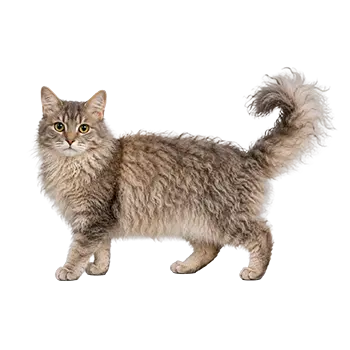

Space Requirements

The LaPerm is an active and curious breed that benefits from a thoughtfully arranged living space more than a large square footage. These cats are natural climbers and explorers, so vertical space is just as important as floor area. A small apartment can work beautifully for a LaPerm as long as it includes elevated perches, window access, and enough room for the cat to run and play without feeling confined.

Vertical territory is essential for this breed. Cat trees, wall-mounted shelves, and elevated walkways give the LaPerm opportunities to climb, survey its environment from above, and retreat to a safe vantage point when it needs downtime. A well-planned vertical layout can effectively double or triple the usable space in a room from the cat's perspective, which is especially valuable in smaller homes.

Window access matters significantly to LaPerms. These cats are attentive and visually engaged, and a window perch or shelf positioned near a bird feeder or garden view can provide hours of passive enrichment. Secure window screens are a must, as the LaPerm's curiosity and athleticism can lead to risky window encounters if screens are absent or poorly fitted.

Traffic flow within the home should allow the cat to move freely between rooms without being cornered or forced through high-traffic bottlenecks. Cats feel more secure when they have multiple entry and exit routes in every space they occupy. Blocking off a single room as the cat's exclusive territory is less effective than giving the LaPerm access to several areas with designated resting spots throughout.

Cat Trees & Climbing Structures

A sturdy cat tree is one of the most valuable investments for a LaPerm household. Look for structures with a heavy, stable base that will not tip when the cat launches itself onto the upper platforms. Taller trees — in the range of five to six feet — suit the LaPerm's climbing instincts well and provide the elevated vantage points this breed naturally seeks.

Platform variety enhances the utility of a cat tree. Models that combine flat perches, enclosed cubbies, and hammock-style cradles give the LaPerm options for different moods — open perches for alert observation, enclosed spaces for secure napping, and hammocks for relaxed lounging. Sisal-wrapped posts integrated into the tree structure serve double duty as scratching surfaces and climbing grips.

Wall-mounted shelves and catwalks offer an alternative or supplement to freestanding cat trees, particularly in homes where floor space is limited. These installations can be arranged in staircase patterns along a wall to create a dedicated climbing path. Ensure that wall-mounted options are securely anchored to studs rather than drywall alone, as even a medium-sized cat generates significant force during jumping and landing.

For multi-cat households, the climbing structure layout should provide enough perching options so that no single cat can monopolize the highest spot. LaPerms are generally sociable, but territorial dynamics around preferred resting spots can still arise. Distributing vertical real estate across multiple trees or shelf systems in different rooms reduces competition and gives every cat access to elevated space.

Beds & Sleeping Areas

LaPerms tend to gravitate toward warm, soft sleeping surfaces that cradle their bodies. Bolster beds with raised edges provide a sense of security and a surface to rest the head against, which many cats prefer. Donut-style beds with plush interiors are another popular option that appeals to cats who like to curl up tightly during sleep.

Placement of beds matters as much as the bed itself. Position sleeping areas in quiet, draft-free locations away from high-traffic zones. LaPerms often develop strong preferences for specific sleeping spots, so placing beds in locations the cat already gravitates toward — a sunny corner, the top of a bookshelf, beside a radiator — increases the likelihood that the bed will actually be used.

Heated beds or self-warming pads can be particularly appealing to LaPerms, especially during cooler months. Self-warming options use reflective thermal layers to return the cat's own body heat, offering gentle warmth without electrical components. Electrically heated beds should have chew-resistant cords and automatic shutoff features for safety. Either option is especially beneficial for senior LaPerms or those in climates with cold winters.

Washability is a practical consideration that should not be overlooked. Cat beds accumulate fur, dander, and oils over time, and a bed with a removable, machine-washable cover is far easier to maintain than one that requires spot cleaning. Having two or three beds available in different rooms allows for rotation during washing and gives the cat choices about where to settle throughout the day.

Outdoor Enclosures

Outdoor enclosures — commonly called catios — allow LaPerms to experience fresh air, sunlight, and outdoor stimulation without the risks associated with free roaming. These structures range from simple window box extensions to elaborate walk-in enclosures that span a patio or backyard. For a curious and agile breed like the LaPerm, a catio provides meaningful enrichment that indoor space alone cannot fully replicate.

The enclosure should be fully enclosed with sturdy mesh or wire on all sides, including the top, to prevent escape and protect against predators. Hardware cloth or welded wire mesh is more durable and secure than standard window screening, which a determined cat can tear. All joints, seams, and access doors should be reinforced to eliminate gaps that a flexible cat could squeeze through.

Inside the catio, include multiple levels of shelving or platforms to maximize vertical space. Add natural elements like cat-safe plants, logs, or branches to create a more stimulating environment. A shaded area is essential to prevent overheating, and an accessible water station should always be available. Some owners incorporate tunnel systems that connect the catio to the interior of the house through a window or wall-mounted cat door, allowing the cat to move freely between indoors and the enclosure.

Weather considerations should guide the design and placement of the catio. Position it to receive morning sun while offering shade during the hottest part of the afternoon. In regions with harsh winters, the catio may serve as a seasonal amenity rather than a year-round feature unless it is insulated and sheltered from wind and precipitation.

Climate Considerations

The LaPerm's curly coat provides moderate insulation, but it is not as dense as the coats of heavy double-coated breeds. This means the LaPerm can be somewhat more sensitive to temperature extremes than breeds with thick undercoats. Maintaining a comfortable indoor temperature in the range of 65 to 78 degrees Fahrenheit suits most LaPerms well across all seasons.

During colder months, ensure that the cat has access to warm resting spots away from drafts. Heated beds, thermal mats, or even a fleece blanket draped over a favorite perch can make a significant difference. Avoid placing beds directly against exterior walls or near single-pane windows, where cold air infiltration is highest. Cats that gravitate toward heat sources like radiators or heating vents should be monitored to ensure they do not overheat or burn themselves.

In hot weather, adequate ventilation and access to cool surfaces are important. Tile floors, cooling mats, and shaded areas help the cat regulate its body temperature. Ensure that fresh water is always available and consider adding a second water station during summer months. If the home lacks air conditioning, fans and cross-ventilation can help, though cats should never be placed in the direct path of a strong fan.

Humidity levels can also affect the LaPerm's comfort and coat condition. Extremely dry air — common in heated homes during winter — can contribute to dry skin and static in the coat. A room humidifier set to a moderate level helps maintain healthy skin and coat hydration for both the cat and its human household members.

Multi-Pet Households

LaPerms are generally sociable and adaptable, making them well-suited to multi-pet households. However, a harmonious multi-pet home requires thoughtful resource distribution to prevent competition and stress. The general guideline for litter boxes — one per cat plus one extra — also applies to resting spots, feeding stations, and water sources. Each cat should have access to its own set of resources without needing to navigate through another cat's territory.

Vertical space becomes even more critical in multi-pet homes. Providing enough elevated perches, shelves, and cat tree platforms ensures that each cat can claim its own spot without displacing another. Cats naturally establish a spatial hierarchy, and adequate vertical territory reduces the likelihood of conflict by giving subordinate cats an avenue of retreat that does not require passing through a dominant cat's preferred zone.

When introducing a LaPerm to an existing pet, gradual and controlled introductions yield the best outcomes. Start with scent swapping — exchanging bedding between the new and resident animals — before progressing to visual contact through a barrier and eventually supervised face-to-face meetings. Rushing the introduction process is one of the most common mistakes owners make and can lead to lasting tension between animals.

For households that include dogs, ensure the LaPerm has escape routes and elevated safe zones that the dog cannot access. Baby gates with cat-sized pass-throughs, high shelves, and rooms designated as dog-free zones all help the cat feel secure. Most LaPerms can coexist comfortably with cat-friendly dogs, but the initial adjustment period requires patience and consistent management to build positive associations.

Always consult a qualified professional before making any health-related decisions. This content is provided for informational reference only and should not replace professional guidance specific to your animal.