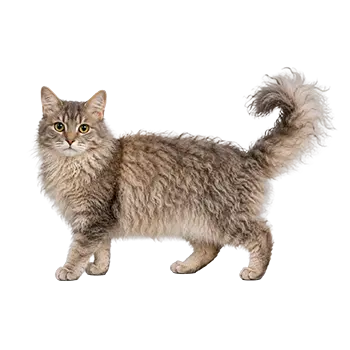

Activity monitors designed for cats attach to the collar and track movement patterns, rest cycles, and overall activity levels throughout the day. For the LaPerm — a breed that should remain moderately active to maintain a healthy weight — these devices provide objective data that helps owners identify trends that might not be visible through casual observation alone. A gradual decline in daily activity, for instance, could signal developing arthritis, illness, or depression before more obvious symptoms appear.
Most cat activity monitors sync with a smartphone app that presents data in digestible graphs and timelines. Look for devices that track not only total movement but also distinguish between active play, casual wandering, and rest. Some advanced models also monitor sleeping patterns and can flag significant changes in sleep duration or quality, which are often early indicators of health issues in cats.
The device itself should be small, lightweight, and securely attachable to a breakaway collar without adding uncomfortable bulk. A unit weighing more than half an ounce may bother a medium-sized cat like the LaPerm, especially during active play. Battery life is another practical consideration — devices that require charging every few days become inconvenient quickly, while those lasting several months on a coin cell battery or rechargeable unit are far more practical for sustained use.
Health-focused monitors that track additional metrics such as caloric expenditure estimates, scratching frequency, and grooming duration offer deeper insight into the cat's daily behavior. While these metrics are estimates rather than clinical measurements, they create a behavioral baseline that makes it easier to notice deviations. Sharing this data with a veterinarian during routine checkups can add valuable context to the clinical assessment.