
Collars, Harnesses & Leashes

A well-fitted collar serves as the foundation for identification and safety. For a LaPerm, a lightweight breakaway collar is the safest everyday option. Breakaway collars are designed to release under pressure if the cat becomes snagged on a branch, fence, or piece of furniture, preventing choking or strangulation. The collar should be snug enough that only one or two fingers can slide underneath, but not so tight that it compresses the curly coat or irritates the skin beneath.

Harnesses offer a more secure and comfortable alternative to collars for leash walking. The LaPerm's curiosity and sociable nature make many individuals good candidates for supervised outdoor walks, and a properly fitted harness distributes pressure across the chest and shoulders rather than concentrating it on the neck. H-style and vest-style harnesses both work well, though vest-style options tend to be more escape-resistant for cats that are skilled at backing out of lighter harnesses.

When selecting a harness, prioritize adjustability and a secure closure system. Cats are more flexible and escape-prone than dogs, so multiple adjustment points at the neck, chest, and belly help achieve a snug fit that the cat cannot wriggle free from. Introduce the harness gradually indoors before attempting outdoor walks — let the cat wear it for short periods around the house to build familiarity and reduce stress.

Leashes for cats should be lightweight and no longer than four to six feet. Retractable leashes are generally not recommended for cats, as the sudden snap of the retraction mechanism can startle the cat and the thin cord can tangle around legs. A simple nylon or woven leash with a secure clip provides the control needed for safe outdoor exploration without adding unnecessary weight or complexity.

Grooming Tools

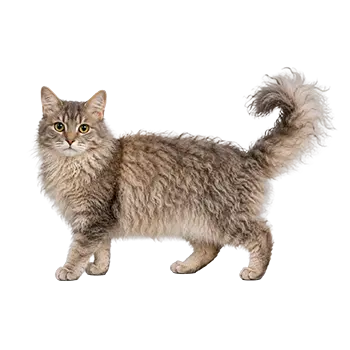
The LaPerm's distinctive curly coat requires a gentle grooming approach that preserves the curl pattern while preventing matting. Unlike straight-coated breeds, the LaPerm should not be brushed with a stiff slicker brush, which can pull out curls and disrupt the coat's natural texture. Instead, a wide-toothed comb or a soft-bristle brush is the preferred tool for working through the coat without damaging it.

Grooming frequency for the LaPerm is relatively moderate. A thorough combing once or twice a week is typically sufficient to remove loose hair and prevent tangles, particularly behind the ears, under the legs, and around the collar area where friction can cause matting. The curly coat tends to hold loose hair rather than shedding it freely, so regular combing helps collect this hair before it forms knots.

Nail clippers or grinders are essential grooming tools. Indoor cats' nails do not wear down naturally the way outdoor cats' nails do, and overgrown nails can curve into the paw pad, causing pain and infection. Trim nails every two to three weeks using a sharp, cat-specific clipper. Guillotine-style and scissor-style clippers both work well — the choice comes down to personal comfort and which style gives you better visibility of the quick.

Ear cleaning supplies, a cat-safe toothbrush and enzymatic toothpaste, and a gentle waterless shampoo round out the essential grooming kit. The LaPerm's ears should be checked weekly for wax buildup or signs of infection. Dental care is often overlooked but is critical for long-term health — even a few brushing sessions per week can significantly reduce tartar accumulation and the risk of periodontal disease.

Bowls & Feeders

The material and design of food and water bowls can affect both the cat's comfort and its health. Stainless steel and ceramic bowls are the preferred materials for cat feeding. Both are easy to clean, resistant to bacterial buildup, and do not leach chemicals. Plastic bowls, while inexpensive, can harbor bacteria in surface scratches and have been associated with feline chin acne in some cats.

Bowl shape and depth matter for the LaPerm's eating experience. Wide, shallow bowls are generally preferred by cats because they allow the whiskers to remain free of contact with the bowl's sides. Whisker fatigue — the sensory discomfort caused by repeated whisker contact with a narrow, deep dish — can cause some cats to paw food out of the bowl or eat reluctantly. A bowl diameter of five to six inches with a shallow profile is a good starting point.

Elevated feeders raise the food and water to a more comfortable eating height, which can benefit cats with arthritis, neck issues, or those who tend to eat too quickly when feeding from floor level. A modest elevation of two to four inches is generally appropriate for a medium-sized cat like the LaPerm. Some elevated feeder designs incorporate a slight tilt angle that further improves ergonomics.

Water fountains are a worthwhile investment for any cat household. Cats are instinctively drawn to moving water, and a fountain encourages higher water intake compared to a static bowl. Look for a fountain with a quiet pump, easy disassembly for cleaning, and replaceable carbon filters. Stainless steel or ceramic fountain models are preferable to plastic for the same hygiene reasons that apply to food bowls.

Carriers & Travel Gear

A quality carrier is a non-negotiable accessory for any cat owner, used for veterinary visits, travel, and emergency evacuations. For a LaPerm, choose a carrier sized to allow the cat to stand, turn around, and lie down comfortably, but not so large that the cat slides around during transport. A carrier approximately 18 to 20 inches long is typically appropriate for this medium-sized breed.

Hard-sided carriers with top-loading access offer the most practical design for cats. Many cats resist being pushed headfirst into a front-opening carrier, and a top-loading door allows the owner to lower the cat gently into the carrier from above, which is less confrontational. Models with both top and front openings provide maximum flexibility. Some designs also allow the top half to be unclipped and removed entirely, which is useful during veterinary exams when the cat can remain in the familiar bottom half.

Soft-sided carriers are lighter and easier to store but offer less structural protection. They work well for short trips and calm cats but may not hold up to a determined escape artist. If choosing a soft-sided option, ensure the zippers are robust and the mesh ventilation panels are reinforced. Airline-compliant soft carriers are available for owners who travel by air with their LaPerm, though airline dimension requirements should be verified with the specific carrier before each trip.

Make the carrier a positive space rather than a source of dread. Leave it out in the home with the door open and a soft blanket inside so the cat can enter and rest in it voluntarily. Periodically placing treats or a favorite toy inside reinforces the carrier as a safe and rewarding space. Cats that view the carrier as a normal part of the household are dramatically easier to transport when the need arises.

Safety & Identification

Identification is one of the most important safety measures for any cat, including fully indoor LaPerms. A breakaway collar with an ID tag that includes the owner's name, phone number, and the cat's name provides the first line of identification if the cat escapes. Tags should be checked periodically to ensure the engraving remains legible and the contact information is current.

Microchipping provides a permanent, tamper-proof form of identification that does not depend on a collar remaining attached. A microchip — a tiny transponder about the size of a grain of rice — is injected between the shoulder blades during a quick veterinary procedure. The chip contains a unique identification number that can be read by a scanner at any veterinary clinic or animal shelter. Registering the chip with a national database and keeping the registration information updated is essential for the chip to serve its purpose.

Window and door safety should be addressed proactively. Secure all window screens and consider adding screen guards or pet-proof screening material to windows that are frequently opened. Ensure that doors leading to the outside have no gaps large enough for a cat to slip through, and consider installing a screen door or secondary barrier in high-traffic entryways. LaPerms are curious and quick, and an unsecured door during a delivery or guest arrival is one of the most common escape scenarios.

Poison prevention is another critical safety consideration. Common household items that are toxic to cats include certain houseplants such as lilies, poinsettias, and philodendrons, as well as cleaning products, essential oil diffusers, and human medications. Secure these items behind closed cabinets or in rooms the cat cannot access. Familiarize yourself with the contact information for your local emergency veterinary clinic and a pet poison control hotline so that you can act immediately if an ingestion is suspected.

Seasonal & Situational Gear

While cats are primarily indoor animals and require less seasonal gear than dogs, certain items can enhance comfort and safety during different times of the year. During winter months, a self-warming mat or heated pad placed in the cat's favorite resting area helps maintain comfort, especially for senior LaPerms or those in homes where the thermostat is set lower overnight. Drafts near windows and doors can be addressed with insulated curtains or draft blockers that benefit both human and feline occupants.

Summer heat brings its own considerations. Cooling mats made with pressure-activated gel provide a refreshing surface for the cat to lie on during warm days. Ensuring access to multiple fresh water sources throughout the home helps maintain hydration when temperatures rise. For LaPerms with access to a catio or outdoor enclosure, a shaded rest area and UV-blocking panels can prevent overheating during peak sun hours.

Holiday and event seasons often introduce temporary hazards. Tinsel, ribbon, small ornament hooks, and string lights all pose ingestion or entanglement risks. Candles on tables or mantels are within reach of an agile, climbing-oriented breed like the LaPerm. Holiday plants including holly, mistletoe, and amaryllis are toxic to cats. Reviewing the home for seasonal hazards before decorating and supervising the cat around new decorations reduces the risk of accidents.

Emergency preparedness gear should be part of every cat household's kit. An emergency supply bag should include three to five days of food and water, copies of vaccination records and microchip information, a basic first aid kit, any medications the cat requires, and a spare collar with ID tag. A collapsible fabric carrier stored with the emergency kit ensures you have a transport option available even if the primary carrier is not immediately accessible.

Always consult a qualified professional before making any health-related decisions. This content is provided for informational reference only and should not replace professional guidance specific to your animal.