
Nutritional Needs

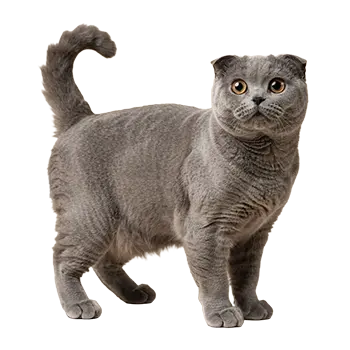
The Foldex is a Canadian-developed breed created by crossing the Scottish Fold with the Exotic Shorthair, and its nutritional requirements reflect both sides of that lineage. From the Scottish Fold parent, the Foldex inherits a predisposition to osteochondrodysplasia, a cartilage and bone development condition closely linked to the gene responsible for the breed's signature folded ears. From the Exotic Shorthair side, the breed inherits a tendency toward a stocky, cobby build that can tip into obesity without careful dietary management. A well-chosen diet addresses both concerns simultaneously by supporting joint integrity and maintaining a healthy body composition.

Protein should form the foundation of every Foldex meal. As obligate carnivores, cats derive their essential amino acids almost exclusively from animal tissue. For the Foldex specifically, a diet with a dry-matter protein content of at least 40% helps preserve lean muscle mass on a frame that is naturally compact and rounded. Named animal proteins — chicken, turkey, duck, salmon, or rabbit — should appear as the first ingredient rather than rendered meals or by-product amalgamations.

Fat is the second macronutrient that demands attention. The Foldex's dense, plush coat requires a steady supply of essential fatty acids to maintain its characteristic texture and luster. Omega-3 fatty acids sourced from fish oil or marine algae also offer anti-inflammatory properties that may provide modest benefit to the cartilage and joints. A dry-matter fat content in the range of 15–20% is appropriate for most adult Foldex cats, though less active or overweight individuals may need to stay closer to the lower end.

Caloric balance is especially important for this breed. The Foldex tends to be moderately active — playful and curious but not as high-energy as breeds like the Abyssinian or Bengal. Combined with their solid, rounded build, this means they can gain weight incrementally if portion sizes are not monitored. Excess weight places additional strain on joints that may already be compromised by the fold gene, making weight management not just an aesthetic concern but a genuine orthopedic priority.

What to Look For

The ingredient panel is the most reliable indicator of food quality, and for a Foldex owner the priorities are clear: high animal protein, identified fat sources, moderate carbohydrates, and targeted functional ingredients that support joint health. A named whole meat or deboned protein as the first ingredient is non-negotiable. Ingredients like "poultry meal" or "meat and bone meal" obscure the actual protein source and make it impossible to identify or avoid allergens.

Look for foods that include glucosamine and chondroitin sulfate either naturally through the inclusion of cartilage-rich ingredients or as added supplements. These compounds support cartilage maintenance and may slow the progression of joint issues that are common in breeds carrying the fold gene. While they are not a substitute for veterinary management of osteochondrodysplasia, they represent a sensible baseline of nutritional support.

Carbohydrate content warrants careful evaluation. Cats lack the salivary amylase enzyme that helps other species begin carbohydrate digestion in the mouth, and their short digestive tract is optimized for processing animal tissue. Foods where grain or starch fillers dominate the ingredient list — corn, wheat, soy, or excessive legumes — deliver calories without commensurate nutritional value. A carbohydrate load below 25% on a dry-matter basis is a reasonable target for most Foldex cats.

Finally, the guaranteed analysis should list taurine content explicitly. Taurine is an amino acid essential for cardiac function, retinal health, and reproductive function in cats. Most commercial foods are supplemented adequately, but confirming its presence is especially important when using boutique brands, limited-ingredient diets, or raw formulations where supplementation practices may vary.

Recommended Dry Food

Dry kibble offers practical advantages for Foldex owners, including shelf stability, dental abrasion benefits, and lower per-serving cost compared to wet food. The best kibble options for this breed feature a protein-forward formula with named animal ingredients occupying the first several positions on the ingredient list. Formulas marketed for indoor cats or weight management often align well with the Foldex's moderate activity level, provided they do not achieve calorie reduction by simply replacing protein with fiber and fillers.

Kibble shape and size can influence both eating behavior and dental health. The Foldex has a broad, rounded face inherited from the Exotic Shorthair side, which can make picking up very small or flat kibble pieces awkward. A medium-sized kibble with some dimensional variation encourages the cat to chew rather than swallow pieces whole, which slows intake and provides mild mechanical cleaning of the teeth.

The low moisture content of dry food — typically around 10% — is the format's primary drawback. For a breed that may be prone to lower urinary tract issues, relying exclusively on kibble without ensuring adequate water intake elsewhere can be risky. Adding a splash of warm water or low-sodium bone broth to kibble is a simple strategy that increases moisture consumption without requiring a complete diet change. Some owners rotate between dry and wet food on alternate meals to balance convenience with hydration.

Storage practices directly affect nutritional quality. Fats in kibble begin to oxidize once the bag is opened, and exposure to heat, light, and humidity accelerates the process. Transferring kibble to a sealed, opaque container and storing it in a cool area preserves freshness. Buying smaller bags that are consumed within four to six weeks of opening is preferable to purchasing in bulk if the food will sit exposed for extended periods.

Wet & Fresh Options

Wet food is a particularly valuable component of a Foldex diet because of its high moisture content, typically between 75% and 85%. Adequate hydration supports kidney function, helps prevent urinary crystal formation, and keeps the digestive tract moving efficiently. For a breed whose joint health benefits from avoiding excess weight, wet food also tends to be more satiating per calorie than kibble, which can help with portion control.

Texture preferences vary among individual cats, and the Foldex is no exception. Pate-style formulations generally deliver the highest protein density with the fewest thickeners and fillers. Shredded and chunks-in-gravy varieties often contain added starches like tapioca or guar gum to create their texture, which dilutes the overall protein content. That said, a cat that eagerly eats a slightly less optimal formula is nutritionally better off than one that refuses a theoretically superior pate. Offering samples of different textures during the initial selection process helps identify what your Foldex will actually consume consistently.

Fresh and refrigerated cat food products represent a growing segment of the market. These foods are gently cooked or lightly processed and use whole-food ingredients that are closer to their natural state than traditional canned formulas. For Foldex owners who want to provide high-quality nutrition without the complexity and risk of raw feeding, fresh foods offer a practical middle ground. The trade-off is a significantly higher price point and the need for refrigerated storage with a shorter use window after opening.

Homemade diets are an option some Foldex owners consider, particularly those seeking maximum control over ingredient quality. However, formulating a nutritionally complete cat diet at home is genuinely difficult. Cats require precise ratios of calcium to phosphorus, adequate taurine, preformed vitamin A, and arachidonic acid — none of which are present in sufficient quantities in simple meat-and-rice recipes. Any homemade feeding program should be developed in direct consultation with a board-certified veterinary nutritionist and reassessed periodically.

Treats & Supplements

Treats serve a dual purpose for the Foldex: they reinforce the bond between cat and owner, and they provide a vehicle for behavioral training. The Foldex is a sociable, people-oriented breed that responds well to positive reinforcement, making treat-based training both feasible and enjoyable. Freeze-dried single-ingredient treats — pure chicken breast, salmon, or shrimp — deliver high palatability without added sugars, artificial colors, or unnecessary grain fillers.

Caloric discipline around treats is essential for a breed prone to gradual weight gain. The standard guideline of limiting treats to no more than 10% of daily caloric intake applies, but for a Foldex whose daily requirement may be in the 200–280 calorie range depending on size and activity level, that margin is narrow. Reading the calorie content per treat on the packaging and counting treats dispensed throughout the day prevents the slow creep of excess calories that accumulates over weeks and months.

Joint-support supplements deserve particular attention for the Foldex. Glucosamine and chondroitin are the most commonly recommended compounds, and they are available in treat form, powder, or liquid. Omega-3 fatty acid supplements derived from fish oil or krill oil provide anti-inflammatory benefits that complement the glucosamine-chondroitin combination. While supplements cannot reverse structural cartilage abnormalities caused by the fold gene, they may support the remaining healthy cartilage and improve comfort.

Probiotic supplements can benefit Foldex cats with sensitive digestion, which is occasionally reported in the breed. A veterinary-grade probiotic containing multiple strains of beneficial bacteria can support a healthy gut microbiome, improve stool consistency, and enhance nutrient absorption. As with any supplement, introducing probiotics should be discussed with your veterinarian to ensure they are appropriate for your individual cat's health status and do not interact with any medications.

Foods to Avoid

Certain human foods pose serious toxicity risks to cats, and the Foldex is no exception to these universal dangers. Allium vegetables — onions, garlic, shallots, leeks, and chives — contain organosulfur compounds that damage feline red blood cells and can cause hemolytic anemia. The danger exists in all forms: raw, cooked, powdered, and dehydrated. Even small amounts incorporated into sauces, broths, or seasoning blends can be harmful if consumed repeatedly over time.

Chocolate and anything containing caffeine are toxic due to the presence of theobromine and methylxanthines, which cats metabolize extremely slowly. Symptoms of chocolate toxicity include vomiting, diarrhea, rapid breathing, elevated heart rate, and seizures. Dark chocolate and baking chocolate contain the highest concentrations of theobromine, but even milk chocolate and cocoa powder should be kept completely out of reach. Grapes and raisins pose a risk of acute kidney failure through a mechanism that remains poorly understood in veterinary science.

Raw meat, raw eggs, and raw fish introduce the risk of bacterial pathogens including Salmonella and Listeria, which can cause illness in both the cat and any humans handling the food or litter box. Beyond bacterial risk, raw egg whites contain avidin, which binds biotin and can lead to skin and coat deterioration with chronic exposure. Raw fish contains thiaminase, an enzyme that destroys thiamine and can cause neurological damage over time.

Dairy products are a frequent source of digestive distress in adult cats. Most cats lose the enzyme lactase after weaning, leaving them unable to properly digest lactose. The result is gastrointestinal upset — gas, bloating, diarrhea — that provides no nutritional benefit whatsoever. If your Foldex enjoys creamy textures, cat-specific lactose-free milk products are available and far better tolerated than conventional dairy.

Feeding Schedule

A structured feeding schedule is strongly recommended for the Foldex. Free-feeding — leaving kibble available at all times — can work for some self-regulating breeds, but the Foldex's tendency toward a solid, compact build makes unchecked calorie access a liability. Measured meals served at consistent times each day allow the owner to track exactly how much the cat is eating, detect appetite changes early, and adjust portions proactively.

Two meals per day is the standard recommendation for adult Foldex cats. Splitting the daily ration between a morning and evening feeding aligns with most household routines and provides the cat with a predictable rhythm. Some owners prefer three smaller meals, which can reduce the likelihood of regurgitation in cats that eat quickly and may help maintain more stable blood sugar levels throughout the day. Either approach works well as long as the total daily caloric intake remains appropriate.

Foldex kittens require more frequent feeding to support their rapid growth and development. From weaning through approximately six months of age, three to four meals per day is appropriate. Between six months and one year, the frequency can be gradually reduced to the adult schedule of two meals daily. During the growth phase, a kitten-specific formula with elevated protein, fat, and calorie density should be used to meet the increased demands of skeletal and muscular development.

Interactive feeding methods — puzzle feeders, snuffle mats, and food-dispensing toys — are well suited to the Foldex's curious and intelligent nature. These devices slow down eating speed, provide mental stimulation, and add an element of enrichment to an otherwise routine activity. For Foldex cats that need to lose weight, puzzle feeders can make a reduced portion feel more satisfying by extending the time spent obtaining each piece of food. Any food placed in enrichment devices should be counted toward the day's total caloric allotment.

Always consult a qualified professional before making any health-related decisions. This content is provided for informational reference only and should not replace professional guidance specific to your animal.