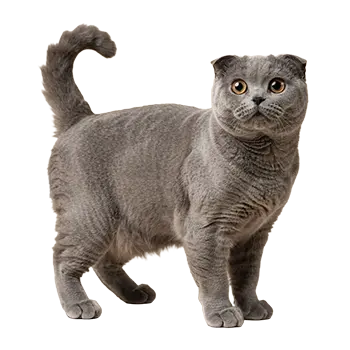

The Foldex is a breed that thrives in a thoughtfully arranged indoor environment. As a cross between the Scottish Fold and the Exotic Shorthair, the Foldex inherits a moderate energy level — curious and willing to explore but not driven to scale every vertical surface in the home the way more athletic breeds might. This temperament makes housing setup less about accommodating extreme climbing behavior and more about providing accessible comfort zones, gentle elevation changes, and spaces that invite the cat to move without placing undue stress on joints.
Joint health is the single most important factor to consider when selecting furniture and arranging living spaces for a Foldex. The fold gene that produces the breed's distinctive ear shape also affects cartilage development throughout the body. While not every Foldex will develop significant joint issues, the predisposition is real and should inform every purchasing decision. Cat trees with gradual ramp access, beds with low entry points, and perches that do not require long drops to exit are all practical ways to reduce joint strain over the cat's lifetime.
The Foldex's dense, plush coat means the cat generates and retains warmth efficiently, so housing choices should account for temperature regulation. Enclosed beds and igloos are popular with many cat breeds, but a Foldex with a particularly thick coat may overheat in a fully enclosed sleeping space during warmer months. Offering both open and semi-enclosed options lets the cat self-regulate based on ambient temperature and personal preference.
This breed is notably social and bonds closely with its human family. Housing arrangements that isolate the Foldex in a separate room or distant corner of the house work against the breed's fundamental need for companionship. The best setups place primary resting spots and cat furniture in rooms where the family spends the most time, allowing the cat to observe, participate, and retreat to a quiet perch without having to travel far.