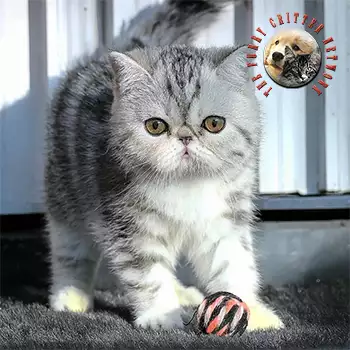

Exotic Shorthairs are a brachycephalic breed with a stocky, cobby build that predisposes them to weight gain if their caloric intake is not carefully managed. Their relatively low activity level compared to more athletic cat breeds means they require a diet that is nutrient-dense but not excessively caloric. A balanced ratio of high-quality animal protein, moderate fat, and minimal carbohydrate filler is essential for maintaining lean muscle mass without encouraging obesity.
The flat facial structure of the Exotic Shorthair can make eating from standard bowls more difficult, so the size and shape of kibble matters. Smaller, flat, or specially shaped pieces allow them to pick up food more easily and encourage proper chewing. Wet food is often easier for them to consume and provides additional hydration, which is beneficial for kidney and urinary tract health.
Exotic Shorthairs are also prone to polycystic kidney disease, a genetic condition inherited from their Persian ancestry. While diet alone cannot prevent this condition, feeding a formula that supports renal health through controlled phosphorus and sodium levels can reduce stress on the kidneys over time. Omega-3 fatty acids from fish oil sources also help support kidney function and reduce inflammation.
Their dense, plush coat benefits from diets rich in omega-6 fatty acids and biotin, which promote skin health and a glossy coat. A deficiency in these nutrients can lead to dull fur, excessive shedding, and dry, flaky skin. Look for foods that list specific animal fat sources rather than generic fat or oil blends.
Digestive sensitivity is not uncommon in this breed. Some Exotic Shorthairs develop sensitivities to common protein sources like chicken or certain grains. If your cat shows signs of digestive upset, such as vomiting, loose stools, or excessive gas, consider a limited-ingredient formula that uses a single novel protein and avoids common allergens.