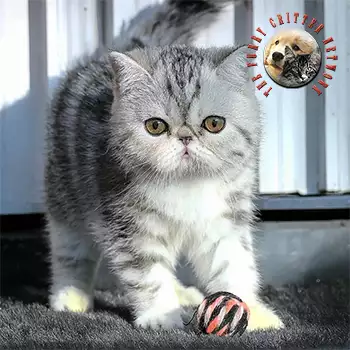

Space Requirements

Exotic Shorthairs are not a high-energy breed, but they still need enough space to move comfortably, explore, and engage in short bursts of play. A small apartment can work well for this breed as long as it is enriched with vertical space and cozy retreating spots. Unlike more athletic cats that demand extensive running room, the Exotic Shorthair is content with a well-organized living area that offers variety without requiring a large footprint.

Vertical space is just as important as floor area. Cat trees, wall-mounted shelves, and window perches allow your Exotic Shorthair to survey its territory from different vantage points. However, because this breed is not an aggressive jumper, any elevated platforms should be accessible via ramps, low-rise steps, or closely spaced shelves rather than requiring large leaps. A cat tree with platforms spaced no more than 12 to 14 inches apart vertically is ideal.

Every cat should have access to separate zones for eating, sleeping, playing, and using the litter box. These zones should be spaced apart to align with a cat's natural preference for keeping food and elimination areas separate. In smaller homes, creative use of corners, closet spaces, and furniture surfaces can help establish these distinct zones without dedicating entire rooms to the cat.

Exotic Shorthairs value quiet, low-traffic resting spots where they can retreat from noise and activity. A covered bed in a bedroom corner or a shelf in a home office can serve as a sanctuary. Providing at least two or three such retreat options throughout the home ensures your cat always has a comfortable place to relax, regardless of household activity.

Cat Trees & Perches

A sturdy cat tree is one of the most valuable housing investments for an Exotic Shorthair. Look for models with a wide, heavy base that will not tip when the cat climbs or stretches against it. The tree should feature platforms large enough for the cat to lie down fully — at least 14 by 14 inches per platform — since Exotic Shorthairs have a broad, stocky build that does not fit comfortably on narrow shelves.

Enclosed condos or cubbies built into the cat tree are especially appealing to this breed. Exotic Shorthairs enjoy enclosed spaces where they feel secure and can nap undisturbed. A cubby with a single entrance at a mid-level height is often the most-used feature on any cat tree for this breed. Ensure the opening is large enough for the cat to enter and exit without squeezing, as their broad chest and round body need a bit more clearance than slimmer breeds.

Window perches are another excellent addition. Exotic Shorthairs are curious observers who enjoy watching birds, passing traffic, and outdoor activity from a safe, comfortable spot. Suction-cup mounted perches work for lighter cats, but for the heavier end of the Exotic Shorthair weight range, a bracket-mounted or shelf-style window perch is a safer and more stable choice. Ensure the perch has a non-slip surface and raised edges to prevent the cat from sliding off during sleep.

Sisal-wrapped posts on the cat tree serve double duty as scratching surfaces. While Exotic Shorthairs are not the most aggressive scratchers, they do need to maintain their claws and stretch their muscles. Placing the cat tree near a window or in a room where the family spends time encourages regular use, since this breed prefers to stay close to its people rather than retreating to isolated areas.

Beds & Sleeping Areas

Exotic Shorthairs are champion sleepers, often logging 16 or more hours of sleep per day. Investing in high-quality beds is not a luxury but a necessity for this breed's comfort and joint health. Orthopedic beds with memory foam or high-density foam provide excellent support for their compact, heavy bodies and help prevent pressure point discomfort during long napping sessions.

Enclosed or hooded beds are typically preferred by Exotic Shorthairs over open-style options. The sense of enclosure mimics the feeling of a secure den and helps regulate temperature. Igloo-style beds, cave beds, and donut beds with raised sides all appeal to this breed's love of cozy, contained spaces. The interior lining should be soft and machine-washable, as regular cleaning helps control dander and keeps the bed hygienic.

Placement matters as much as the bed itself. Position beds in quiet, draft-free areas away from direct heating or air conditioning vents. Exotic Shorthairs are sensitive to temperature extremes due to their brachycephalic anatomy, which makes them less efficient at thermoregulation. A bed placed in a consistently comfortable spot — around 68 to 75 degrees Fahrenheit — will see the most use.

Provide multiple beds throughout the home so your cat has options depending on the time of day, the ambient temperature, and household activity levels. A bed in the living room for daytime lounging, one in the bedroom for nighttime sleep, and a covered option in a quieter room for deep afternoon naps creates a rotation that most Exotic Shorthairs will naturally adopt.

Outdoor Enclosures

Exotic Shorthairs should not be allowed to roam outdoors freely. Their trusting, non-aggressive temperament makes them vulnerable to predators, aggressive animals, and traffic. Their brachycephalic anatomy also makes them susceptible to heat stress and respiratory distress in warm or humid weather. However, controlled outdoor access through a secure enclosure — commonly called a catio — can enrich their lives significantly.

A well-designed catio provides fresh air, natural sunlight, and sensory stimulation while keeping the cat completely contained and protected. Enclosures can range from simple window box extensions to large walk-in structures attached to the home. The enclosure should be fully screened with durable, small-gauge wire mesh to prevent escape and keep out insects, birds, and other animals.

Shade is a critical design element for any Exotic Shorthair catio. At least half of the enclosure should be covered or shaded to prevent overheating. Include elevated shelves at varying heights so the cat can choose its preferred sun exposure level. A solid roof section protects against rain and provides a retreat during unexpected weather changes. Avoid placing the catio in full southern exposure during summer months if you live in a warm climate.

Furnish the catio with weather-resistant perches, a scratching post, and a small patch of cat-safe grass or catnip for sensory enrichment. Ensure there is always a clear path back into the house so the cat can retreat indoors whenever it wants. Automatic or magnetic cat doors with collar-activated locks allow your Exotic Shorthair to move freely between the catio and the home while preventing other animals from entering.

Climate Considerations

The Exotic Shorthair's flat face and compressed nasal passages make it particularly sensitive to temperature and humidity. In warm weather, these cats can struggle to cool themselves effectively because their shortened airways reduce the efficiency of panting as a heat-dissipation mechanism. Keeping indoor temperatures between 65 and 75 degrees Fahrenheit is ideal for this breed, and air conditioning is strongly recommended in regions that experience hot summers.

Humidity also plays a role in respiratory comfort. Very dry air can irritate the nasal passages and eyes, while excessively humid conditions can make breathing more labored. A moderate humidity level between 40 and 60 percent is comfortable for most Exotic Shorthairs. A small room humidifier or dehumidifier can help maintain this range depending on your local climate and the season.

In colder climates, Exotic Shorthairs generally fare better than in heat, but they still appreciate warm sleeping spots. Heated cat beds or self-warming pads that reflect body heat provide comfort during winter months without the safety risks associated with electric heating pads. If using a heated bed, ensure it has an auto-shutoff feature and a chew-resistant cord.

Watch for signs of temperature-related distress in your Exotic Shorthair. Open-mouth breathing, excessive panting, lethargy, and drooling in warm conditions may indicate heat stress, which requires immediate cooling and veterinary attention. In cold weather, prolonged shivering or seeking heat sources obsessively suggests the cat is uncomfortably cold and the environment needs adjustment.

Multi-Cat Households

Exotic Shorthairs are generally sociable cats that adapt well to multi-cat households, but the environment must be set up to minimize resource competition and territorial stress. The general rule is to provide one of each key resource per cat, plus one extra. This means if you have two cats, you should have three litter boxes, three feeding stations, and at least three resting spots distributed throughout the home.

Vertical space becomes even more important in multi-cat homes because it effectively multiplies the available territory. Wall shelves, cat trees with multiple platforms, and elevated walkways allow cats to share a room while maintaining personal space at different heights. Exotic Shorthairs prefer mid-level perches, so ensure that not all elevated spots are at the very top of a tall cat tree, which may be claimed by more agile breeds.

Introductions between an Exotic Shorthair and a new cat should be gradual and controlled. Start by housing the new cat in a separate room with its own resources for at least a week, allowing the cats to become familiar with each other's scent through the door. Swap bedding between the cats, then allow supervised visual contact through a baby gate or cracked door before permitting full interaction. Rushing this process often leads to lasting tension.

Monitor feeding times carefully in multi-cat homes. Exotic Shorthairs are not typically food-aggressive, but a faster-eating companion cat may consume the Exotic Shorthair's portion if meals are not supervised. Feeding cats in separate rooms or using microchip-activated feeders that only open for the designated cat ensures each animal gets its proper nutrition without competition or stress.

Always consult a qualified professional before making any health-related decisions. This content is provided for informational reference only and should not replace professional guidance specific to your animal.