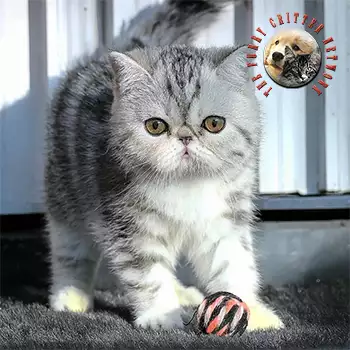

Exotic Shorthairs have a playful but measured approach to play that distinguishes them from higher-energy breeds. They tend to engage in short, focused play sessions rather than sustained, high-intensity activity. A typical play bout might last five to fifteen minutes before the cat loses interest and retreats to a favorite resting spot. Understanding this rhythm is key to selecting toys that match their natural behavior rather than trying to force prolonged activity.
Their hunting instinct is present but less pronounced than in breeds with strong prey drive. Exotic Shorthairs are more likely to bat at a slowly moving toy than to launch themselves across the room in pursuit of a fast-moving target. Ground-level toys that mimic the movement of insects or small rodents — slow, erratic, and close to the floor — tend to generate the most engagement. Toys that require dramatic leaping or sustained sprinting often go ignored.
Despite their calm demeanor, Exotic Shorthairs are curious and intelligent cats that enjoy novelty. Rotating toys on a weekly basis keeps the environment fresh and prevents boredom. A toy that was ignored last week may become the favorite when reintroduced after an absence. Keeping a small reserve of toys in a closed container and cycling them into active use is a simple but effective enrichment strategy.
Social play is particularly rewarding for this breed. Exotic Shorthairs bond closely with their owners and often prefer interactive play with a human partner over solo play with a stationary toy. Setting aside two or three dedicated play sessions each day strengthens your bond with the cat while ensuring it gets the physical activity needed to maintain a healthy weight.