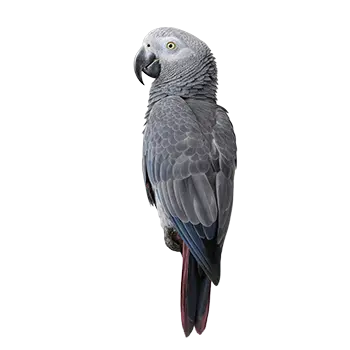

Equipping a Timneh African Grey's environment requires more than a cage, food, and toys. The accessories that surround and support those core elements — feeding stations, perch systems, lighting, bathing provisions, grooming tools, and cage management supplies — collectively determine whether the bird's daily life is merely adequate or genuinely comfortable and health-promoting. Each accessory category addresses a specific aspect of avian welfare, and overlooking any one of them creates a gap that can affect the bird's physical condition, behavioral health, or both.
The Timneh's smaller size relative to the Congo African Grey means that accessories designed for large parrots are not always the right fit. Perch diameters, food cup capacities, harness sizes, and even the scale of cage liners should be selected with the Timneh's nine-to-eleven-inch body and 275-to-375-gram weight in mind. Products marketed generically for African Greys are typically sized for the larger Congo, and using them for a Timneh can result in poor ergonomic fit that creates subtle but cumulative discomfort or dysfunction.
Durability is a universal consideration across all accessory categories. The Timneh's strong beak and manipulative intelligence mean that lightweight plastic components, thin wire attachments, and cheaply constructed hardware will be tested and often defeated. Accessories that are chewed apart, pried loose, or dismantled not only fail to serve their purpose but can produce hazardous fragments, sharp edges, or small parts that pose ingestion and injury risks. Investing in quality construction upfront reduces both replacement costs and safety incidents over the long term.
Ease of cleaning should influence every accessory purchase. A beautifully designed feeding station that cannot be fully disassembled for washing will develop bacterial biofilms in its crevices. A perch with an inaccessible interior will harbor mites. A cage liner system that makes daily changes cumbersome will tempt the owner to skip days. The best accessories are those that perform their primary function well and can be maintained hygienically with minimal effort, because consistent maintenance is the difference between a healthy environment and one that gradually deteriorates.