
Nutritional Needs

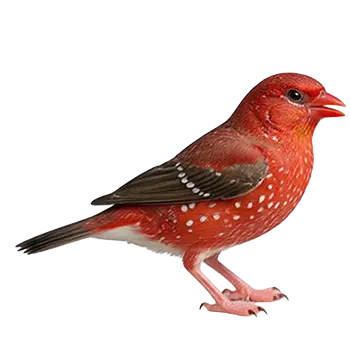
The Strawberry Finch, known scientifically as Amandava amandava, is a small granivorous bird whose dietary requirements reflect its origins in the grasslands and wetland margins of South and Southeast Asia. In the wild, this species feeds on a rotating menu of grass seeds, small insects, and occasional plant matter that shifts with the seasons. Replicating this diversity in captivity is central to maintaining the bird's vivid plumage, reproductive fitness, and overall vitality. A monotonous diet quickly leads to nutritional gaps that manifest as dull feathering, weakened immunity, and shortened lifespan.

Protein demands fluctuate throughout the year. During the breeding season and the annual molt, the Strawberry Finch's protein requirements increase substantially. Molting birds must synthesize thousands of new feathers, each composed almost entirely of keratin, a protein structure that cannot be built without adequate dietary amino acids. Breeding hens face additional demands from egg production. Outside these periods, a lower baseline protein level drawn primarily from seeds is usually sufficient, but keepers who maintain a consistently moderate protein intake year-round tend to see healthier birds than those who attempt to adjust protein only when problems appear.

Fat content must be carefully managed in a bird this small. Strawberry Finches have a rapid metabolism and very little body mass to buffer against caloric shortfalls, so they need a steady energy supply. However, their small size also means that excess dietary fat converts to body fat quickly, potentially causing hepatic lipidosis and other obesity-related conditions. Seeds with moderate fat content, such as various millets, should form the dietary core, while high-fat seeds like niger and flax are best offered in controlled quantities.

Micronutrient balance rounds out the nutritional picture. Calcium is essential for skeletal integrity and eggshell formation, iodine supports thyroid function, and a spectrum of B vitamins sustains metabolic processes. Small finches absorb nutrients rapidly but also deplete them quickly, making consistent daily access to a well-rounded diet more important than periodic supplementation alone.

What to Look For

Seed quality is the single most important purchasing decision for Strawberry Finch owners. Premium finch seed mixes should list specific millet varieties as the primary ingredients. White proso millet, Japanese millet, and red millet form the backbone of a sound Strawberry Finch diet. Look for mixes that also include canary grass seed, which provides a slightly different nutrient profile and adds textural variety that encourages natural foraging behavior. Avoid mixes where generic terms like cereal grains or grain products appear without specification, as these often indicate lower-grade filler ingredients.

Freshness matters enormously with small seeds. Rancid or stale seed loses nutritional value and can harbor mold spores that cause aspergillosis and other fungal infections. When evaluating seed products, check for a harvest or packaging date rather than just a best-by date. Seeds should appear glossy and plump, not dusty or shriveled. A simple germination test, where a small sample is placed on damp paper towel and checked for sprouting after two days, provides a reliable indicator of seed vitality. Quality seed should show a germination rate above seventy percent.

Ingredient transparency separates reputable manufacturers from budget brands. The best finch food producers list each seed type with its percentage of the total mix, allowing keepers to evaluate whether the blend matches their bird's needs. Some manufacturers also provide nutritional analyses on their packaging or websites, including crude protein, fat, and fiber percentages. This information is particularly valuable when comparing products or when a veterinarian has recommended specific nutritional targets for a bird with health concerns.

Packaging design influences shelf life. Seeds stored in resealable bags with one-way valves or vacuum-sealed packaging retain freshness longer than those in simple plastic bags or open bins. Nitrogen-flushed packaging, which replaces oxygen with inert gas to slow oxidation, represents the highest standard for seed preservation. While these packaging methods typically cost more, the reduction in waste from spoiled seed often offsets the price difference.

Recommended Seed Mixes

A well-constructed seed mix for the Strawberry Finch should reflect the species' natural preference for small grass seeds. The ideal blend centers on several millet varieties, with white proso millet typically comprising thirty to forty percent of the total. Japanese millet and yellow panicum millet should each represent ten to fifteen percent, providing variety in size and texture. Canary grass seed adds nutritional diversity and is readily accepted by most Strawberry Finches. Small amounts of niger seed, no more than five percent of the mix, contribute healthy fats and are particularly valued during cooler months when energy demands increase.

Foreign finch mixes, sometimes marketed as tropical finch blends or exotic finch mixes, are generally more appropriate for Strawberry Finches than domestic canary or budgerigar seed. Canary mixes tend to be dominated by canary grass seed and rapeseed, which are acceptable but do not provide the millet-heavy base that Strawberry Finches prefer. Budgerigar mixes contain seeds that are often too large for comfortable handling by these small-beaked birds. A purpose-built foreign finch mix matches both the seed size and the nutritional profile that Amandava species thrive on.

Sprouted seed deserves a permanent place in the feeding program. The sprouting process converts stored starches into more digestible sugars, increases vitamin content dramatically, and reduces fat levels. Sprouted seed is particularly valuable during breeding season, when parents need easily digestible, nutrient-dense food to feed their chicks. A dedicated sprouting seed blend for finches simplifies the process. These blends are formulated with seeds that sprout at similar rates, preventing the uneven germination that can lead to mold growth in mixed-rate batches.

Some keepers prefer to assemble their own seed blends rather than relying on commercial mixes. This approach offers complete control over ingredient quality and proportions but requires a solid understanding of finch nutrition. Purchasing individual seed types in bulk from reputable suppliers and blending them at home also allows keepers to adjust ratios seasonally, increasing protein-rich seeds during the molt and reducing high-fat seeds during sedentary winter months.

Live Food and Egg Food

Live food is not optional for Strawberry Finches that are breeding or molting. In the wild, these birds increase their insect consumption dramatically when raising chicks, and captive pairs that lack access to live food frequently abandon nests or fail to rear young successfully. Small, soft-bodied insects are the appropriate choice. Fruit flies, both flightless Drosophila melanogaster and the larger Drosophila hydei, are an excellent primary live food because they are easy to culture at home and are sized perfectly for both adult finches and small chicks.

Micro mealworms and buffalo worms offer another reliable protein source. Standard mealworms are too large and too chitinous for Strawberry Finches, but the micro or mini varieties, harvested at an earlier larval stage, are soft enough for these small birds to consume and digest. Waxworms can be offered occasionally as a high-fat treat but should not replace lower-fat insect options as a staple. Ant pupae, when available, are a highly prized live food that most Strawberry Finches accept eagerly, though consistent supply can be challenging depending on geographic location and season.

Commercial egg food provides a convenient protein supplement that bridges the gap between seed and live insects. Dry egg food products designed for finches combine egg protein with dried insects, vitamins, and fine-ground grains into a crumbly mixture that can be offered in a small dish. During breeding season, many keepers moisten egg food slightly to improve palatability and add grated carrot or finely chopped greens for additional nutrients. The egg food dish should be refreshed at least twice daily in warm weather to prevent bacterial growth in the moist mixture.

Insect-based dried foods have improved significantly in recent years. Freeze-dried fruit flies, black soldier fly larvae, and insect meal crumbles offer shelf-stable protein sources that many Strawberry Finches accept readily, particularly if introduced alongside familiar live food. While dried insects do not fully replace live food during breeding, they serve as a practical daily protein supplement during non-breeding periods and reduce the labor of maintaining live cultures year-round.

Greens and Supplements

Fresh greens supply vitamins, minerals, and dietary variety that seeds alone cannot provide. Strawberry Finches in the wild regularly consume tender shoots and leaf tips, and captive birds should have access to greens several times per week at minimum. Chickweed is perhaps the single most valuable green food for small finches. It is soft, palatable, and nutritionally rich, and most Strawberry Finches accept it without hesitation. Dandelion leaves, seeding grass heads collected from pesticide-free areas, and small pieces of romaine lettuce also make suitable offerings.

Calcium supplementation is essential, particularly for breeding hens. Crushed cuttlebone or a fine-grade calcium grit should be available at all times in a separate dish. Liquid calcium supplements designed for cage birds can be added to drinking water during breeding season for additional support, though water-based supplements should be mixed fresh daily to prevent bacterial contamination. Oyster shell grit provides both calcium and the insoluble grit particles that finches use in the gizzard to grind seed, serving a dual mechanical and nutritional purpose.

Iodine deficiency is a concern in small seed-eating birds, particularly those housed indoors without exposure to varied natural foods. Iodine supports thyroid function and feather development, and deficiency can lead to goiter and poor feather quality. Iodine blocks designed for cage birds offer a simple preventive measure. Some keepers prefer liquid iodine supplements added to drinking water at very low concentrations, following veterinary dosing guidelines carefully to avoid toxicity in these small-bodied birds.

Multivitamin supplements formulated for finches can fill nutritional gaps in diets that lack sufficient variety. Powdered vitamins dusted lightly over egg food or moist greens ensure consistent intake, since water-soluble vitamins added to drinking water degrade rapidly under light and heat. The best finch vitamin products provide a balanced spectrum of fat-soluble and water-soluble vitamins without excessive iron, which can accumulate to toxic levels in some bird species. Supplementation should complement a varied diet rather than compensate for a poor one.

Foods to Avoid

Certain foods that are safe for larger parrot species or for humans pose genuine dangers to a bird as small as the Strawberry Finch. Avocado tops the list of absolute prohibitions. Every part of the avocado plant contains persin, a fungicidal compound that causes cardiac failure in birds. The small body mass of a Strawberry Finch means that even trace exposure to avocado flesh can be lethal, and no amount should ever be accessible to these birds, whether directly offered or present in shared kitchen spaces where birds are allowed to fly.

Chocolate, coffee, and tea contain methylxanthines, specifically theobromine and caffeine, that birds cannot metabolize efficiently. In a bird weighing under half an ounce, the toxic threshold is extraordinarily low. Symptoms of methylxanthine poisoning include tremors, rapid heart rate, hyperactivity, and death. These items should never be consumed near open aviaries or cages, as curious finches can nibble dropped crumbs before a keeper notices.

Allium family vegetables, including onions, garlic, leeks, and chives, contain sulfur compounds that damage avian red blood cells and can cause hemolytic anemia with repeated exposure. While a single microscopic exposure is unlikely to produce acute symptoms in most birds, the cumulative effect of regular exposure is well documented in avian medicine. Keepers who prepare human meals near bird enclosures should be vigilant about stray pieces of these ingredients.

High-salt foods are disproportionately dangerous for tiny birds. Strawberry Finches have minimal capacity to excrete excess sodium, and even a small chip fragment or pretzel crumb contains enough salt to cause serious electrolyte disruption. Similarly, sugary foods encourage yeast overgrowth in the digestive tract and contribute to obesity. Honey, while sometimes recommended in outdated care guides, poses a botulism risk and offers no nutritional advantage over purpose-formulated supplements. Fruit pits and apple seeds containing cyanogenic compounds should also be excluded, though the flesh of most common fruits can be offered in small quantities.

Feeding Schedule

A consistent daily feeding routine anchors the Strawberry Finch's metabolic rhythm and reduces stress. These small birds have a high metabolic rate and cannot tolerate extended periods without food, making reliable access to seed critically important. The primary seed mix should be available at all times in a clean, accessible dish. Unlike larger parrots whose food intake can be more tightly controlled, small finches regulate their own consumption effectively and rarely overeat from a seed dish when the blend is appropriately formulated.

Fresh foods, including greens, egg food, and sprouted seed, should be offered in the morning when the birds are most active and ready to eat after the overnight fast. These perishable items should be removed within three to four hours, or sooner in warm weather, to prevent spoilage and bacterial proliferation. A second offering of fresh food in the late afternoon, approximately two hours before lights-out, gives the birds an opportunity to stock up on nutrient-dense food before the overnight fast.

Live food during breeding season should follow a more frequent schedule. Breeding pairs feeding chicks benefit from small, fresh portions of live insects offered three to four times throughout the day rather than a single large serving. This pattern mimics the frequent feeding trips that wild parents make and encourages consistent chick feeding rather than gorging and neglect. A small dish of fruit flies or micro mealworms replenished at regular intervals keeps the food supply fresh and the parents attentive.

Water must be changed at least once daily, and twice daily during warm weather or if supplements are added. Strawberry Finches often bathe in their water dishes, contaminating drinking water with feather dust and droppings. Providing a separate shallow bathing dish reduces this problem and ensures that the drinking supply remains clean. Vitamin or mineral supplements added to drinking water should be mixed fresh each morning, as most water-soluble vitamins degrade within hours of exposure to light.

Always consult a qualified professional before making any health-related decisions. This content is provided for informational reference only and should not replace professional guidance specific to your animal.