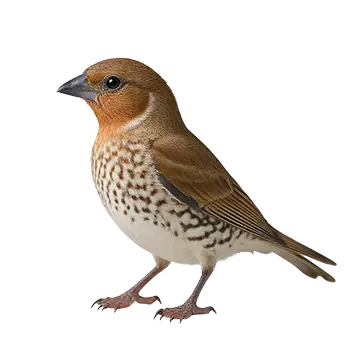

The Spice Finch, also known as the Nutmeg Mannikin or Scaly-breasted Munia (Lonchura punctulata), is a small granivorous finch whose diet in the wild revolves almost entirely around grass seeds, rice paddy grain, and other small cereal seeds found throughout its native range in tropical and subtropical Asia. In captivity, replicating this seed-based foundation while supplementing with additional nutrients is essential for maintaining the bird's health, plumage quality, and reproductive fitness. Unlike many hookbill species that thrive on pellet-based diets, Spice Finches are true seed specialists, and their digestive systems are optimized for husking and processing small seeds rather than manufactured pellets.
Carbohydrates from seeds form the primary energy source for Spice Finches, but a diet of dry seed alone is nutritionally incomplete. Wild birds supplement their seed intake with insects during breeding season and consume a variety of seeding grasses at different stages of ripeness, which provides a broader nutrient profile than any single commercial seed blend can match. Captive Spice Finches benefit significantly from dietary variety that mimics this natural range, including sprouted seeds, egg food, greens, and carefully selected supplements.
Protein requirements increase substantially during molting and breeding. Adult Spice Finches in maintenance mode require roughly twelve to fourteen percent protein in their overall diet, but hens producing eggs and parents feeding chicks need significantly more. Providing accessible protein sources during these physiologically demanding periods is not optional but necessary for successful reproduction and healthy feather regeneration. Inadequate protein during a molt can result in stress bars, thin feather shafts, and prolonged molting cycles.
Fat content should remain moderate in the daily diet. Spice Finches are relatively small-bodied and can develop fatty liver disease if given excessive oily seeds such as niger, flax, or hemp without adequate exercise opportunities. In a flight cage or aviary setting where birds can fly freely, slightly higher fat intake is tolerable, but in smaller enclosures where activity is limited, the seed mix should lean toward lower-fat millet varieties as the dietary staple.