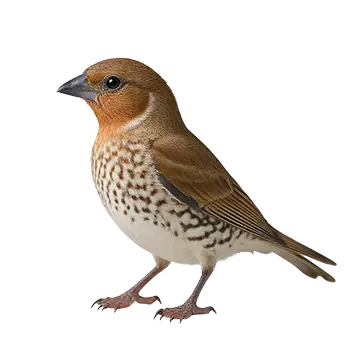

Spice Finches are active, social birds that require substantially more flying space than their small body size might suggest. Unlike hookbills that climb and play on perches and toys within a relatively compact footprint, finches exercise almost exclusively through flight, making horizontal cage length the most critical dimension. A single pair of Spice Finches should be housed in an enclosure no smaller than thirty inches long, eighteen inches deep, and eighteen inches tall. This minimum provides enough horizontal distance for short flights between perches, but a longer cage is always preferable and directly improves the birds' quality of life.
For small groups of three to six birds, which is the most natural social configuration for this flock-oriented species, a flight cage measuring at least thirty-six to forty-eight inches in length is appropriate. Spice Finches are highly social and fare poorly when kept alone, so most experienced keepers maintain at least a pair, and many recommend small groups to allow the birds to express their full range of social behaviors. The enclosure must accommodate this social dimension without overcrowding, which creates stress, territorial disputes, and increased disease transmission risk.
Vertical height, while less critical than horizontal length, should still be adequate for the birds to perch at a comfortable elevation. Finches instinctively prefer to roost at the highest available point, and cages that are too short force birds into positions where they feel exposed and insecure. A height of at least eighteen inches allows placement of perches at varying elevations, giving the birds the ability to choose their preferred roosting height and creating a more naturalistic spatial arrangement within the enclosure.
Aviary housing represents the gold standard for Spice Finch keeping. An indoor or outdoor aviary measuring at least four feet in length allows genuine sustained flight, which is impossible in even the largest standard cage. Birds housed in aviaries display more natural behavior, maintain better physical condition, and typically live longer than those confined to smaller enclosures. For keepers with the space and resources to provide aviary housing, the investment pays significant dividends in bird health and behavioral richness.